






What's Happening?
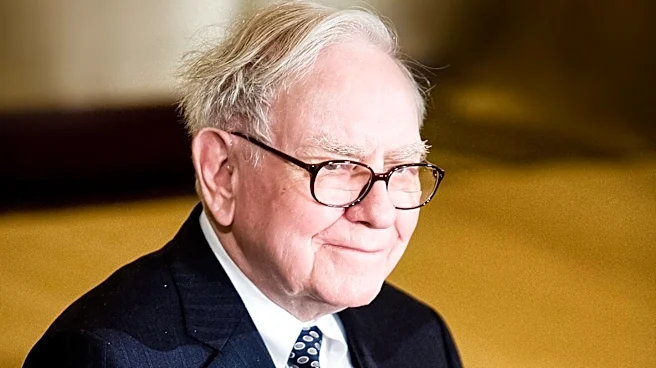
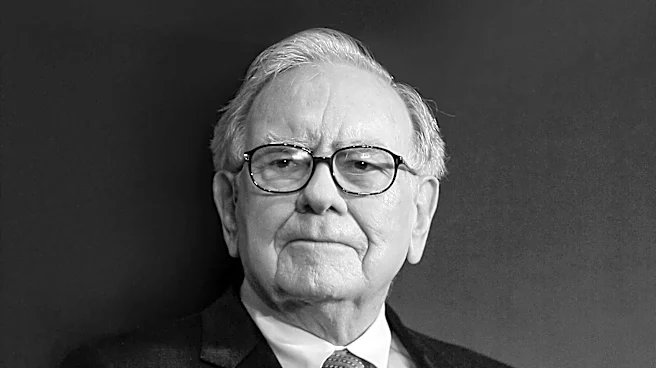
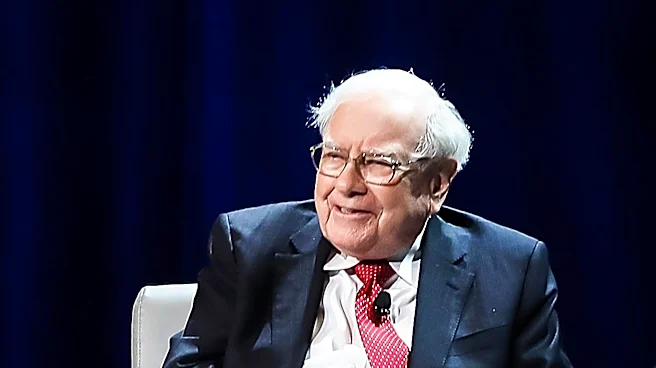
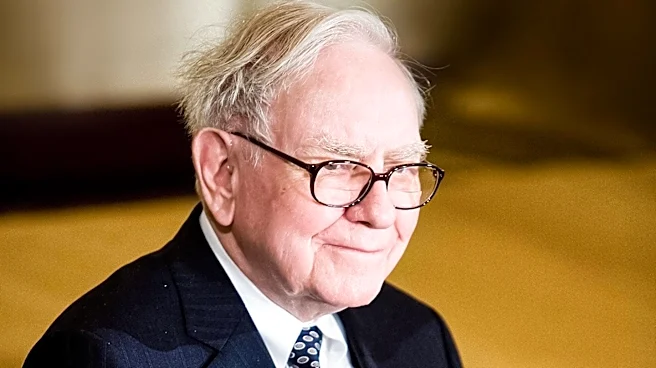
Warren Buffett, through Berkshire Hathaway, continues to prioritize investments in companies with durable business models, consistent profits, strong cash generation, high returns on capital, and capable management, all acquired at a reasonable price.
This investment philosophy, influenced by Charlie Munger, has guided Berkshire Hathaway's strategy for decades. Recent filings from November 16, covering the quarter ended September 30, disclose Berkshire's continued significant holdings in Coca-Cola, American Express, and Moody's. These companies exemplify Buffett's long-term ownership approach, with Coca-Cola showing sustained growth and increased EPS guidance, American Express demonstrating strong financial performance despite recent stock fluctuations, and Moody's maintaining its market position in credit ratings, even with some quarterly variations. The focus remains on businesses that can compound value over extended periods, rather than short-term speculative gains.
Why It's Important?
This investment strategy is significant for U.S. investors, particularly those planning for retirement, as it highlights the value of patience and quality in stock selection. Buffett's approach suggests that focusing on fundamentally strong companies with enduring competitive advantages can lead to substantial long-term returns, even if short-term market fluctuations occur. For instance, American Express, despite being down 14% year-to-date, has seen a 409% increase over 10 years, underscoring the importance of a 'forever' holding period. This philosophy can influence how individual investors and institutional funds allocate capital, encouraging a shift from speculative trading to value investing. The continued success of Berkshire Hathaway's long-held positions in major U.S. companies like Coca-Cola and American Express reinforces the idea that a disciplined, quality-focused investment strategy can be a powerful tool for wealth creation and retirement security.
What's Next?
In the coming months, investors will be watching for Coca-Cola's full 2027 guidance, expected with its fourth-quarter results, which will provide further insights into its revenue projections and potential headwinds from acquisitions. Moody's will continue to navigate the debt market, with its forecast for the speculative-grade default rate rising, indicating potential stress in the high-yield sector. Berkshire Hathaway's future 13F filings will reveal any adjustments to its portfolio, though significant shifts are unlikely given Buffett's long-term holding preference. The broader market may see continued emphasis on durable compounders as investors seek stability amidst economic uncertainties. Retirees and long-term investors are encouraged to learn from this approach, prioritizing business quality and consistent returns over high-yield but potentially unstable investments, as outlined in resources like 'The Definitive Guide to Retirement Income.'
Beyond the Headlines
The enduring success of Warren Buffett's investment philosophy, particularly his emphasis on 'wonderful businesses at a decent price,' reflects a deeper cultural and economic principle: the value of long-term vision and fundamental strength over fleeting trends. This approach challenges the prevalent short-termism often seen in financial markets, where immediate gains are prioritized. It also highlights the ethical dimension of investing in companies that demonstrate consistent value creation and responsible management, rather than those driven by speculative bubbles. The concept of a 'durable moat'—a sustainable competitive advantage—is not just an economic term but also a metaphor for resilience and adaptability in a constantly changing market landscape. This philosophy suggests that true wealth is built not through quick wins, but through patient cultivation of quality assets, a lesson that extends beyond finance into broader aspects of economic planning and societal development.