



What's Happening?
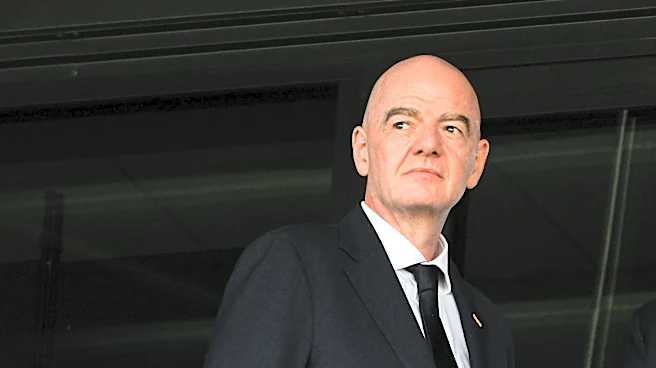
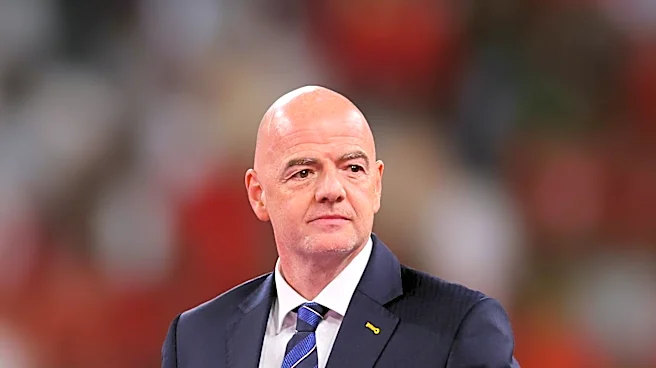
Documents obtained by Telegraph Sport reveal details of a proposed $20 billion scheme between FIFA President Gianni Infantino and Joshua Kushner's Thrive Capital. The plan, known as the FIFA Forward Enterprise (FFE) or "Project Box," would have seen FIFA surrender
a significant portion of its commercial rights for nearly a century. Internal FIFA communications indicate that the governing body could have ended up owning as little as 51% of the commercial rights to its competitions, a substantial reduction from the nearly 80% it would have retained under the proposed deal with Thrive. The agreement outlined a partnership that could have locked the World Cup into a 96-year arrangement with Thrive, while also establishing lucrative bonus schemes for the project's management. The documents also suggest a potential part-flotation of FFE on stock exchanges eight years into the venture, allowing participants to further profit. A FIFA risk assessment from July 17 stated the deal would transfer all commercial rights for FIFA events to a for-profit subsidiary for 96 years, with a memo confirming rolling 12-year license periods up to a maximum of 96 years.
Why It's Important?
This revelation highlights a significant potential shift in the control and commercialization of one of the world's most prominent sporting events, the World Cup. Had the deal proceeded, it would have drastically altered FIFA's financial structure and its long-term control over its flagship tournament. The proposed 96-year partnership with Thrive Capital, a private investment firm, raises questions about the commercial independence of global football and the potential for private entities to exert long-term influence over a sport traditionally governed by international federations. The scheme's structure, including management incentive plans and potential stock market flotation, suggests a move towards a more corporatized model for FIFA's commercial operations, with substantial financial benefits for those involved. The backlash against this plan previously caused a crisis for Infantino's leadership, indicating the sensitivity surrounding such extensive commercialization efforts within the football community.
What's Next?
The emergence of these new documents is likely to reignite scrutiny and opposition against FIFA President Gianni Infantino, particularly as he seeks re-election for what is expected to be his final four-year term. While Infantino has reportedly solidified his power base, these details could be seized upon by his opponents to challenge his leadership and decision-making. FIFA has stated that the FFE proposal would have required approval from its member associations and council, and that any management incentive plan was exclusively for FFE management, not FIFA officials. However, the extensive nature of the proposed deal and the long-term relinquishment of commercial rights will likely fuel further debate within the football world regarding governance, transparency, and the future commercial direction of the sport. Thrive Capital has been approached for comment, and their response, if any, could also influence future discussions.
Beyond the Headlines
The proposed deal between FIFA and Thrive Capital touches upon broader themes of privatization and the commercialization of global public assets, even in the realm of sports. Granting a private entity control over the commercial rights of the World Cup for nearly a century raises ethical questions about the stewardship of a global cultural phenomenon. It highlights the tension between maximizing revenue through private investment and maintaining the integrity and public accessibility of major sporting events. The lack of a tender process for FFE, as noted in the FIFA documents, also points to potential concerns about transparency and fair competition in securing such lucrative deals. This situation could set a precedent for how international sports organizations manage their commercial assets, potentially leading to increased private sector influence and a re-evaluation of the balance between profit generation and the sport's broader societal role.