






What's Happening?
Automation, traditionally associated with manufacturing and physical tasks, is now making significant inroads into office environments. The shift is driven by AI agents capable of automating repetitive, rule-based digital tasks that have historically
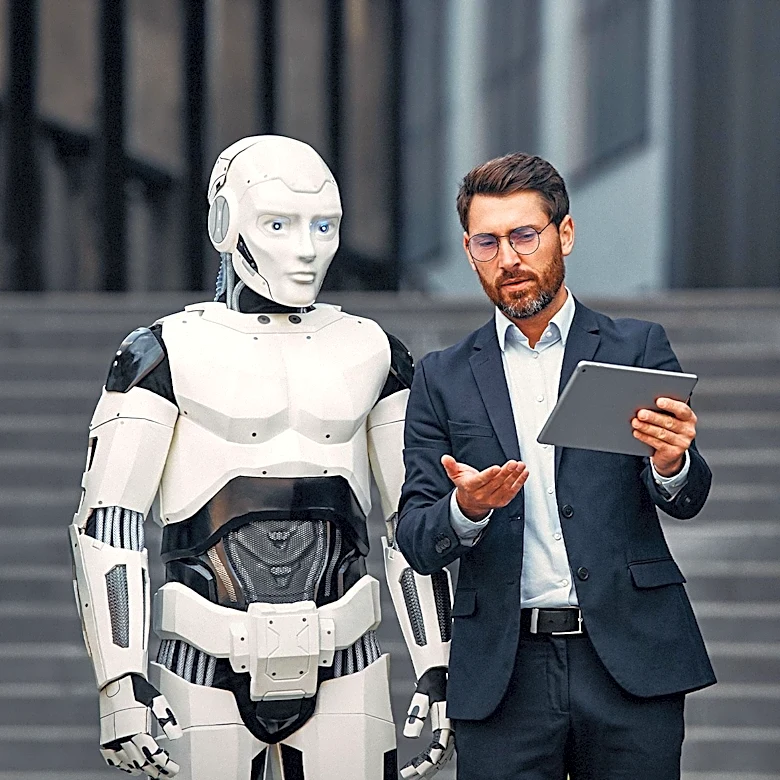
been performed manually by office staff. This development is closing the gap between the automation of physical goods movement and the digital movement of information. In many organizations, office processes such as data entry, information transfer between systems, and manual integration of various software applications have remained largely manual. The introduction of AI agents, which can operate across different software systems, is changing this landscape. These agents allow for the automation of processes without the need for extensive technical configuration, enabling non-technical staff to set up and manage automated workflows. This transformation is likened to the impact of industrial robots on manufacturing, where repetitive physical tasks were automated, freeing human workers for more supervisory roles.
Why It's Important?
The automation of office processes has significant implications for productivity and efficiency in businesses. By automating repetitive digital tasks, companies can reduce errors, increase throughput, and allow human workers to focus on more strategic activities. This shift not only enhances operational efficiency but also democratizes access to automation tools, as non-technical staff can now implement and manage these systems. The potential market for office automation is vast, as many organizations still rely on manual processes for data handling and integration. The adoption of AI agents in office settings represents a substantial opportunity for the automation industry, expanding its scope beyond physical tasks to include digital processes. This evolution aligns with the industry's principles of reliability, error reduction, and human oversight, making it a natural extension of existing automation practices.
What's Next?
As AI agents become more prevalent in office environments, businesses are likely to see a rapid transformation in how they handle digital processes. The next steps involve integrating these agents into more complex workflows and expanding their use across various departments, such as finance, HR, and customer operations. Companies will need to focus on designing robust, observable, and secure automation systems to ensure reliability and data integrity. The trend also suggests a growing need for training and upskilling employees to manage and oversee these automated processes effectively. As the technology matures, it is expected that more organizations will adopt AI-driven automation, leading to a broader redefinition of work roles and responsibilities in office settings.
Beyond the Headlines
The shift towards office automation raises important considerations around data security and privacy. As AI agents handle sensitive information across multiple systems, ensuring secure data transfer and access control becomes paramount. Additionally, the cultural impact of automation in office environments may lead to changes in job roles, requiring employees to adapt to new responsibilities and skill sets. The ethical implications of automation, such as job displacement and the need for human oversight, will also need to be addressed as businesses navigate this transition. Long-term, the integration of AI agents in office processes could lead to a more interconnected and efficient digital ecosystem, reshaping how organizations operate and compete in the digital age.