


What's Happening?
Bakeries are increasingly becoming key partners for major fashion and beauty brands, leveraging the growing 'treat culture' among consumers, particularly Gen Z. La Cabra, a Danish-style bakery with 15 global locations, has engaged in approximately 60
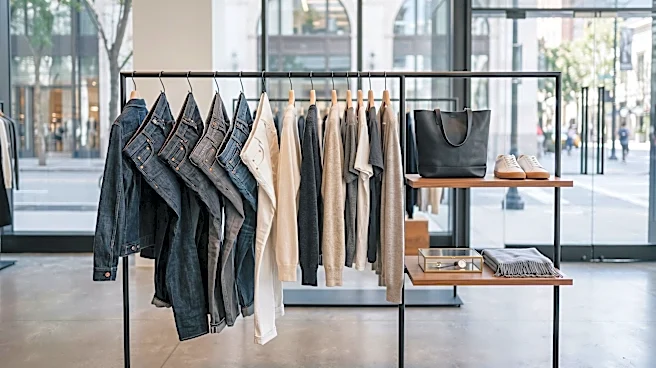
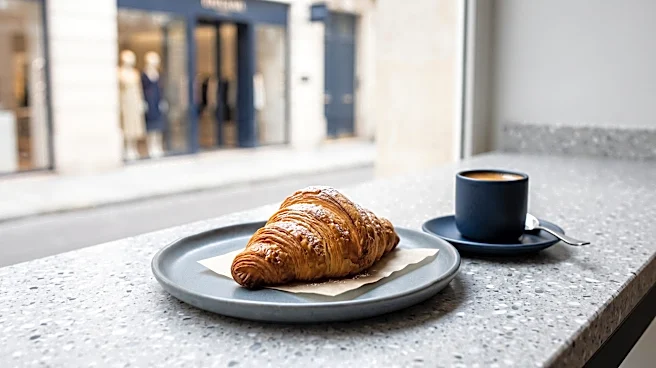
brand collaborations in the past two years, including partnerships with Glossier, Diptyque, and Nike. These collaborations range from providing coffee and pastries for events to creating co-branded merchandise. Other bakeries like Levain have partnered with fragrance brands such as Snif to create co-branded products like candles. Levi's teamed up with Librae bakery for free treats and merchandise, while French hairbrush brand La Bonne Brosse collaborated with L'Appartement 4F for Instagram promotions. Even gluten-free bakeries like Sweet Laurel have joined the trend, partnering with Osea skincare. This trend is driven by the accessibility of premium bakery items, which offer a 'little luxury' that fashion and beauty brands can use to connect with a broader demographic.
Why It's Important?
This trend signifies a strategic shift in how fashion and beauty brands engage with consumers, particularly younger demographics. By partnering with popular bakeries, these brands can create more accessible entry points for consumers who might find their core products too expensive. A $6 cookie or pastry offers a tangible, emotional connection that is more affordable than high-end fashion or beauty items. For bakeries, these collaborations provide access to new customer bases and additional revenue streams through paid partnerships. The 'bakery as a hub of culture' concept allows brands to tap into a lifestyle trend, fostering a sense of community and shared experience. This cross-industry collaboration also highlights the evolving landscape of marketing, where experiential and lifestyle-oriented partnerships are gaining prominence over traditional advertising methods.
What's Next?
The trend of bakery-brand collaborations is expected to continue, though some industry figures, like La Cabra's managing director Cyril Alcazar, caution against oversaturation. Bakeries are becoming more selective in their partnerships, prioritizing intentional collaborations that align with their brand identity and do not detract from their core offerings. As the market potentially becomes more crowded, brands and bakeries will likely seek more innovative and authentic ways to collaborate to stand out. This could involve more exclusive product lines, unique experiential events, or deeper co-branding initiatives. The success of these partnerships will depend on maintaining a balance between hype and the quality of the core bakery product, ensuring that consumers' primary desire for good coffee and pastries remains met.
Beyond the Headlines
Beyond the immediate marketing benefits, these collaborations reflect broader cultural shifts, including the rise of 'treat culture' and the increasing importance of sensory experiences in consumer engagement. The phenomenon also blurs the lines between different consumer industries, creating a more integrated lifestyle market. Ethically, brands must ensure that these partnerships genuinely enhance consumer experience rather than merely serving as superficial marketing ploys. Legally, intellectual property and branding agreements will become more complex as co-branded products and experiences proliferate. Culturally, the bakery is being redefined from a simple food purveyor to a lifestyle destination, influencing urban planning and consumer habits. This trend could also lead to long-term shifts in retail strategies, with more brands exploring unexpected cross-industry collaborations to capture consumer attention and loyalty.