





What's Happening?
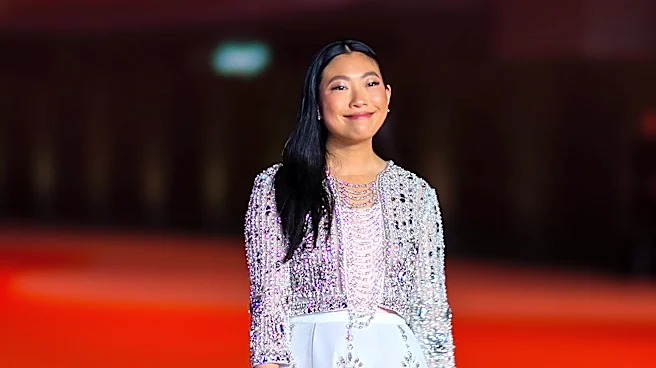
As of October 2026, Awkwafina has not been officially confirmed to reprise her role as Peik Lin in the upcoming 'Crazy Rich Asians' HBO series. The series, which will serve as a direct sequel to the 2018 film, is set to begin filming in 2027 with an expected
premiere in 2028. While core cast members like Constance Wu, Henry Golding, Ronny Chieng, and Michelle Yeoh have been confirmed, Awkwafina's involvement remains unannounced. The creative team has expressed a desire to bring back as many original cast members as possible. The HBO series will expand on Kevin Kwan's second book, 'China Rich Girlfriend,' and will consist of eight one-hour episodes, allowing for a deeper exploration of the characters and storylines than a film sequel would have permitted. The transition to a series format addresses logistical challenges, including the busy schedules of the now global superstar cast, and aims to delve into the more satirical and darker elements of the source material.
Why It's Important?
The potential absence of Awkwafina from the 'Crazy Rich Asians' HBO series could significantly impact fan reception and the dynamic of the show. Awkwafina's portrayal of Peik Lin was a memorable and comedic highlight in the original film, contributing to its critical and commercial success. Her character provided comic relief and a unique perspective, and her absence might alter the tone and humor that audiences have come to expect from the franchise. For HBO and Warner Bros. Television, securing as much of the original beloved cast as possible is crucial for maintaining continuity and leveraging the established fan base. The series is a high-stakes venture, transforming a successful romantic comedy film into a prestige drama, and the return of key actors is vital for its perceived authenticity and appeal. The decision to move from film sequels to an HBO series reflects a broader industry trend of adapting major cinematic intellectual properties into episodic formats, aiming for more comprehensive storytelling and sustained audience engagement.
What's Next?
As production for the 'Crazy Rich Asians' HBO series gears up for its 2027 filming start, further casting announcements are anticipated. The creative team's expressed desire to bring back original cast members suggests that negotiations for Awkwafina's return may still be ongoing. Fans will be closely watching for updates regarding her potential involvement, as well as the casting of new characters from Kevin Kwan's 'China Rich Girlfriend' novel. The series is expected to delve into Rachel Chu's search for her biological father, introduce the Bao family, and continue the power struggles within the Young family. The shift to a drama format on HBO, rather than a Max Original, indicates a strategic move towards a more serious and in-depth narrative, aligning with other HBO hits like 'Succession' or 'The White Lotus.' The success of this series could influence future decisions regarding the adaptation of popular film franchises into television formats.
Beyond the Headlines
The uncertainty surrounding Awkwafina's return highlights the complex dynamics of talent negotiations in major franchise continuations, especially when original cast members have achieved significant individual success since the initial project. The transition of 'Crazy Rich Asians' from a film to an HBO series also reflects a strategic industry shift towards long-form storytelling, allowing for deeper character development and exploration of intricate plotlines that a two-hour film might condense. This move could set a precedent for how other beloved film properties are extended, prioritizing narrative depth and character arcs over the constraints of traditional movie sequels. The series also carries the weight of continued Asian representation in mainstream media, and the comprehensive portrayal of diverse characters and their stories remains a significant cultural implication. The decision to explore the 'darker, more satirical elements' of the books in a drama format suggests a maturation of the franchise, moving beyond the romantic comedy genre to offer a more nuanced critique of wealth and social hierarchies.