




What's Happening?
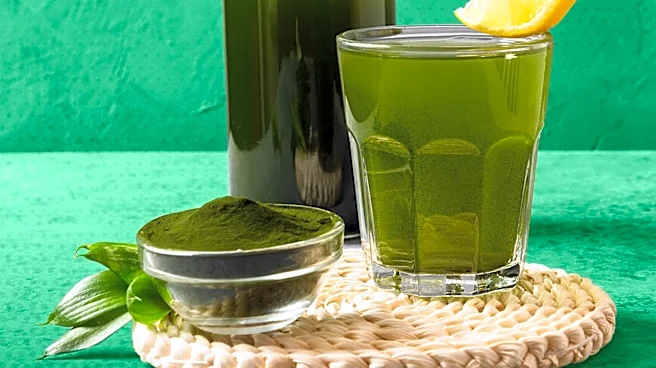
Adaptogenic drinks, infused with herbs and mushrooms like ginseng, rhodiola, and ashwagandha, are increasingly popular among consumers looking for healthier beverage options. These drinks are marketed as alternatives to traditional energy drinks, coffee,
and alcohol, aiming to help the body manage stress, anxiety, and fatigue without the common side effects of caffeine, such as jitters or crashes. The growing interest is driven by a broader trend of individuals prioritizing health and wellness, with surveys indicating that a significant majority of people are seeking healthier food and drink choices. Adaptogens are classified as supplements by the FDA, meaning they do not undergo the same rigorous oversight as drugs, which emphasizes the importance of transparency from brands. These ingredients are believed to interact with the hypothalamic-pituitary-adrenal (HPA) axis, the body's stress response system, to help regulate cortisol levels and promote overall well-being.
Why It's Important?
The rise of adaptogenic drinks signifies a notable shift in consumer preferences within the U.S. beverage market, moving towards functional and health-beneficial products. This trend impacts the food and beverage industry by creating new market segments and driving innovation in product development. Companies are responding by infusing adaptogens into various formats, including canned drinks, bottled beverages, teas, and tonics. The appeal to younger demographics, who show lower alcohol consumption rates compared to previous generations, suggests a long-term growth trajectory for this category. For consumers, these drinks offer a perceived natural approach to managing daily stressors and improving mental performance, potentially leading to a reduction in reliance on traditional stimulants or depressants. However, the FDA's classification of adaptogens as supplements means consumers must rely on brand transparency and growing research to understand the efficacy and safety of these products, highlighting a need for informed choices in a less regulated market.
What's Next?
The market for adaptogenic drinks is expected to continue its expansion, with more brands likely to enter the space and diversify product offerings. This will likely lead to increased competition and further innovation in ingredient combinations and delivery methods. As consumer awareness grows, there may be a push for more comprehensive research into the long-term effects and benefits of various adaptogens. Regulatory bodies might also face pressure to re-evaluate the oversight of adaptogenic supplements, potentially leading to new guidelines or classifications to ensure product quality and consumer safety. Furthermore, the success of adaptogenic drinks could inspire the integration of adaptogens into other food products, expanding their presence beyond beverages and into a wider range of daily consumables. The industry will also need to address the challenge of educating consumers about the specific benefits and appropriate usage of different adaptogens to maintain trust and foster sustained growth.
Beyond the Headlines
The increasing popularity of adaptogenic drinks reflects a broader cultural shift towards holistic health and self-care, where consumers are actively seeking ways to optimize their physical and mental well-being through natural means. This movement challenges conventional notions of energy and relaxation, moving away from quick fixes like caffeine or alcohol towards sustained, balanced support. The emphasis on 'clean energy' and 'stress reduction' through natural ingredients also highlights a growing skepticism towards synthetic additives and a preference for plant-based solutions. This trend could have long-term implications for public health, potentially leading to a decrease in the consumption of less healthy beverages and a greater focus on preventive wellness. Ethically, the less stringent regulation of supplements compared to pharmaceuticals places a significant responsibility on brands to ensure product integrity and accurate marketing, fostering a consumer environment where trust and transparency are paramount. This evolving landscape underscores a deeper societal desire for control over personal health in an increasingly demanding world.