




What's Happening?
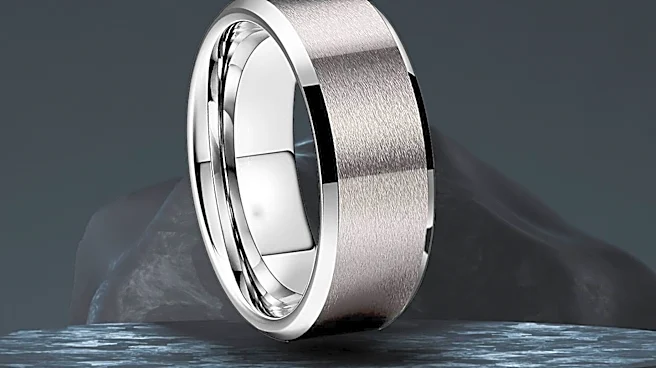
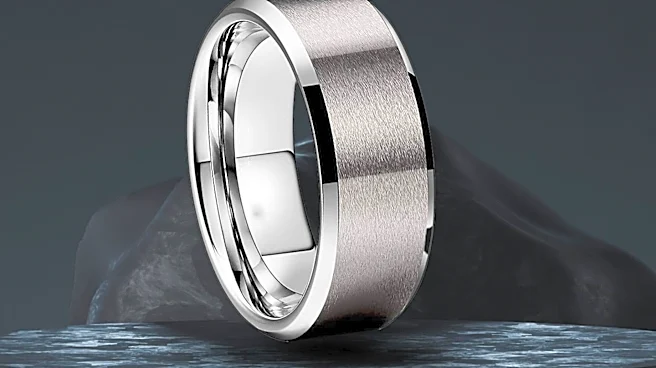
The Oura Ring 5, a smart ring designed to track health and well-being metrics, has experienced its lowest-ever price reduction during Black Friday sales. The device, which was released just six months prior, is now available with a £100 discount. This
offer is accessible through various major retailers, including Oura's official website, Amazon, John Lewis, Boots, Currys, and Argos. The Oura Ring 5 is noted for being lighter and slimmer than its predecessor, the Oura Ring 4, and features improved scratch resistance. It also boasts a longer battery life, ranging from six to nine days, compared to the Oura Ring 4's five to eight days. The Oura Ring tracks over 50 metrics, providing insights into sleep and recovery, activity and stress, and reproductive and women’s health. Access to these detailed health insights requires a monthly or annual subscription.
Why It's Important?
This significant price drop for the Oura Ring 5 makes advanced health tracking technology more accessible to a wider consumer base. Wearable health devices like the Oura Ring play an increasingly important role in personal health management, offering users detailed biometric data that can help identify patterns and potentially alert them to health concerns. The competitive pricing during Black Friday sales could drive increased adoption of smart rings, influencing the broader wearable technology market. For consumers, this means an opportunity to invest in a device that provides comprehensive health insights, potentially leading to better self-awareness and proactive health decisions. The emphasis on sleep tracking, in particular, highlights a growing consumer interest in optimizing rest and recovery, which is crucial for overall well-being.
What's Next?
As Black Friday weekend and Cyber Monday continue, retailers are expected to monitor and potentially adjust Oura Ring deals further. Consumers interested in purchasing the device should continue to look for additional price cuts. The increased sales volume resulting from these discounts could lead to a larger user base for Oura, potentially fostering more data collection and further refinement of their health tracking algorithms. The success of these sales may also influence future pricing strategies for Oura and other wearable tech companies, potentially leading to more competitive pricing models in the long term. The ongoing integration of such devices into daily life suggests a future where personal health data plays an even more central role in individual health management.
Beyond the Headlines
The trend of significant discounts on advanced wearable technology like the Oura Ring 5 during major sales events underscores a broader shift in consumer electronics. As these devices become more sophisticated and their production costs potentially decrease, manufacturers are increasingly using aggressive pricing strategies to capture market share. This not only benefits consumers by making technology more affordable but also pushes the boundaries of what is considered standard for personal health monitoring. The reliance on subscription models for accessing detailed insights, however, also highlights a growing trend in the tech industry towards recurring revenue streams, which could have long-term implications for consumer spending and data ownership. The ethical considerations surrounding the collection and use of personal biometric data will also become more prominent as these devices become ubiquitous.