




What's Happening?
Actor Diego Luna has publicly called for urgent changes within the Mexican film industry, highlighting a significant crisis regarding the distribution and digital presence of local films. During the MEXAV forum held at Estudios Churubusco, Luna emphasized
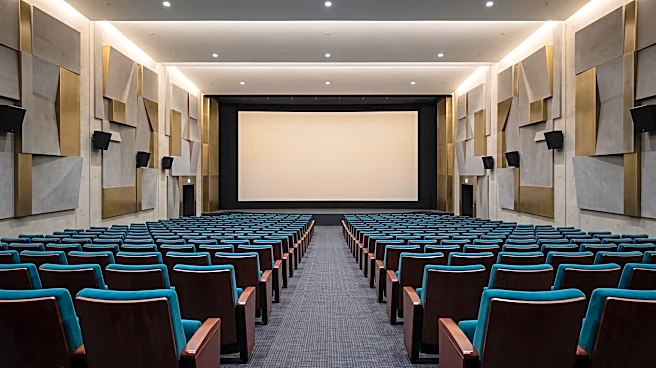
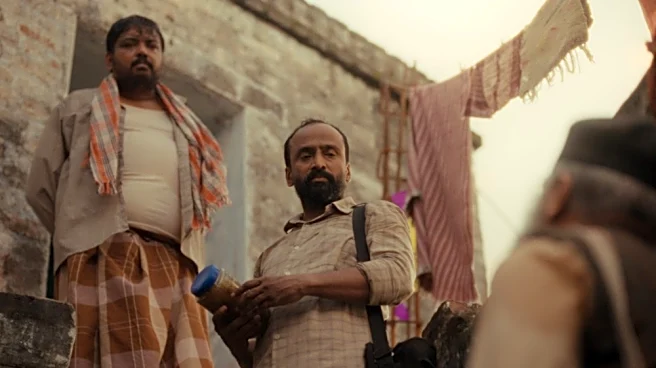
the lack of public access to cinematographic productions that are financed by state taxes and government subsidies. He argued that despite public funding, these films often fail to reach the very taxpayers who support them, limiting their ability to foster national identity and community. Luna pointed out that Mexican films suffer from reduced screening times in commercial cinemas and inadequate conditions for digital platform distribution, making it difficult for them to compete with international releases. The forum, which gathered 700 participants including filmmakers, distributors, and authorities, also discussed the implementation of new film laws and fiscal incentives like EFICA, aimed at strengthening the audiovisual production chain. Luna's remarks underscore a systemic issue where state-supported cinema struggles to connect with its intended audience, despite efforts to boost production outside Mexico City, with two-thirds of this year's stimuli supporting such initiatives.
Why It's Important?
The issues raised by Diego Luna are critical for the future of Mexican cinema and its cultural impact. The current system, where state-funded films struggle to find an audience, represents a significant disconnect between public investment and public access. This situation not only undermines the cultural value of these productions but also questions the effectiveness of government subsidies intended to promote national art. If local films cannot reach audiences, they cannot contribute to cultural dialogue, national identity, or the economic sustainability of the film industry. The lack of robust distribution channels and digital presence means that Mexican stories and perspectives are underrepresented, potentially leading to a cultural void filled by international content. For filmmakers and industry professionals, this translates into limited opportunities and financial instability, despite the existence of funding mechanisms. Addressing these distribution and exhibition challenges is crucial for ensuring that Mexican cinema can thrive, both artistically and commercially, and fulfill its role in reflecting and shaping national culture.
What's Next?
Following Diego Luna's urgent call for reform, the Mexican film industry is likely to face increased pressure to re-evaluate its distribution and exhibition strategies. The ongoing discussions at forums like MEXAV, which include stakeholders from various sectors of the industry, are expected to lead to concrete proposals for change. Potential next steps could involve the development of new regulatory frameworks or agreements that mandate longer screening times for national films in commercial cinemas and ensure more favorable terms for their inclusion on digital platforms. There may also be a push for greater collaboration between government bodies, producers, and distributors to create a more integrated and effective system for bringing Mexican films to the public. Additionally, the industry might explore innovative models for private investment to reduce reliance on state funding, as suggested by independent producers. The effectiveness of the new film law and the EFICA fiscal stimulus will also be closely monitored to see if they can genuinely strengthen the audiovisual production chain and improve audience access.
Beyond the Headlines
Beyond the immediate concerns of distribution and funding, Diego Luna's critique touches upon deeper ethical and cultural implications for Mexican society. The argument that publicly funded cinema should be accessible to the public who finances it highlights a fundamental question of cultural ownership and democratic access to art. When films made with taxpayer money are not seen by taxpayers, it creates a disconnect between the state's cultural initiatives and the citizenry. This can lead to a perception that national cinema is an elite pursuit rather than a communal experience. Furthermore, the struggle of Mexican films to compete with international blockbusters in their own market raises questions about cultural sovereignty and the preservation of local narratives in an increasingly globalized media landscape. The long-term impact could be a weakening of national storytelling traditions and a diminished sense of shared cultural identity. Addressing these issues requires not just economic and logistical solutions but also a re-evaluation of the cultural policy's core mission: to ensure that art serves and reflects the society that supports it.