






What's Happening?
A plant-based diet can effectively support active lifestyles, provided there is careful planning, according to recent findings. A 2025 case study highlighted two recreational cyclists who, while adhering to plant-based diets, successfully completed a 4,316
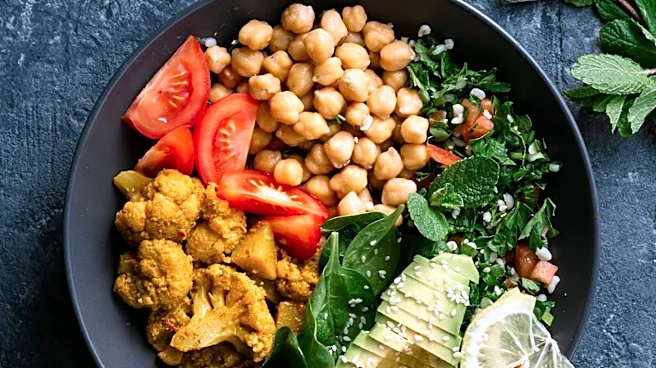
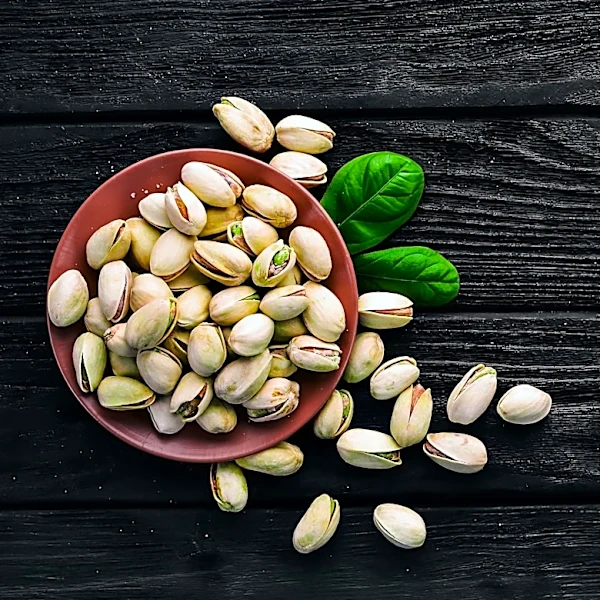
km ride across Canada in 30 days. During this strenuous period, they maintained muscle mass and consumed between 4,100 and 6,400 calories daily, with protein intake exceeding 2.3 grams per kilogram of body weight. This included the use of vegan protein powder. The success of these cyclists underscores the importance of intentional dietary choices, such as eating five to eight times a day and incorporating energy-dense foods like nuts, seeds, and avocados. Plant-based athletes typically consume diets richer in fiber, vitamins, minerals, and carbohydrates. However, achieving adequate nutrition on a plant-based diet requires the same level of intention and routine as any other dietary approach, often necessitating more detailed planning.
Why It's Important?
The increasing adoption of plant-based diets among athletes and the general public has significant implications for the U.S. health and wellness industries. This trend challenges traditional notions that animal products are essential for high-level athletic performance and muscle maintenance. For the food industry, it signals a growing market for plant-based protein sources, energy-dense vegan snacks, and fortified foods. Healthcare providers and sports nutritionists stand to gain from understanding the specific planning required for plant-based diets, as they can better advise clients on nutrient intake, potential deficiencies (like B12, iron, and calcium), and supplementation needs. This shift could lead to new product development, specialized nutritional counseling services, and a broader acceptance of diverse dietary approaches in sports and fitness. Conversely, traditional meat and dairy industries might face evolving consumer preferences, necessitating innovation in their product lines or marketing strategies to remain competitive.
What's Next?
As the understanding of plant-based nutrition for active individuals evolves, further research is anticipated to refine dietary guidelines and supplementation recommendations. The sports nutrition field will likely see an increase in specialized dietitians focusing on plant-based athletes, offering tailored meal plans and performance strategies. Food manufacturers are expected to continue innovating, introducing more diverse and nutrient-dense plant-based products to meet the demands of this growing demographic. Educational initiatives for both athletes and the general public will be crucial to disseminate accurate information on how to maintain optimal health and performance on a plant-based diet, addressing common concerns about protein intake and micronutrient deficiencies. Additionally, there may be a greater emphasis on personalized nutrition plans, recognizing the spectrum of 'plant-based' diets from mostly plants with occasional meat to strict veganism.
Beyond the Headlines
The successful integration of plant-based diets into high-performance athletics extends beyond mere nutritional science; it touches upon broader ethical, environmental, and cultural dimensions. The increasing visibility of plant-based athletes can inspire more individuals to consider similar dietary shifts, driven by concerns for animal welfare, environmental sustainability, or personal health. This movement could accelerate the demand for sustainable food systems and reduce the ecological footprint associated with traditional animal agriculture. Furthermore, it challenges long-held cultural beliefs about masculinity and strength being inherently linked to meat consumption, potentially fostering a more inclusive and diverse perception of athleticism. The emphasis on meticulous planning in plant-based diets also highlights a broader societal trend towards conscious eating and a deeper understanding of food's impact on the body and the planet.