






What's Happening?
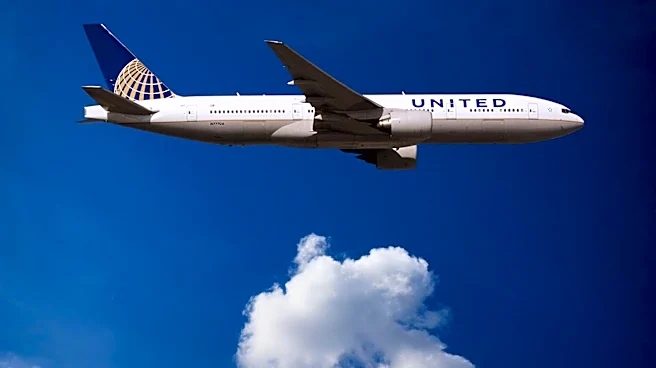
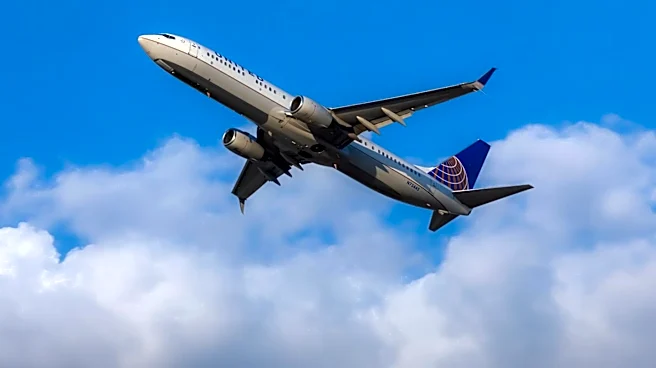
Scott Kirby, CEO of United Airlines, has expressed his intention to expand United's presence at New York's John F. Kennedy International Airport (JFK) through a new partnership with JetBlue Airways, potentially as early as next year. This move aims to re-establish
United in the congested airport, leveraging JetBlue, which was formerly a partner with American Airlines. United's strong financial position, ranking as the second-most profitable U.S. carrier behind Delta, provides Kirby with the flexibility to pursue this network expansion, alongside investments in technology and other long-term opportunities. Additionally, Kirby is actively preparing for the transformative impact of artificial intelligence on the airline industry. Despite previously floating megamerger ideas with Delta and American Airlines, which were rebuffed due to antitrust concerns, Kirby remains uninterested in acquiring smaller carriers, preferring to focus on strategic growth and larger combinations.
Why It's Important?
United Airlines' strategic push to re-enter and expand at JFK is significant for the competitive landscape of the U.S. airline industry, particularly in the highly valuable and slot-constrained New York market. A partnership with JetBlue could strengthen United's position and potentially weaken American Airlines' competitive standing by disrupting its former alliance. United's financial health allows for aggressive growth strategies, enabling investments in network expansion and technology without solely relying on defensive tactics. The airline's proactive focus on artificial intelligence is crucial, as early adoption and integration of AI could provide a substantial competitive advantage in operational efficiency, customer service, and decision-making, potentially reshaping industry standards. This forward-looking approach could position United as a leader in leveraging emerging technologies, impacting its long-term profitability and market share.
What's Next?
United Airlines will likely proceed with negotiations and formalize its partnership with JetBlue Airways to secure increased access and operations at JFK, with a potential launch as early as next year. This will involve navigating regulatory approvals and operational integrations. Concurrently, United will continue to invest in and develop strategies for incorporating artificial intelligence across its operations, from customer service to flight management, aiming to gain an early advantage in the evolving airline industry. The airline's leadership will also monitor the competitive responses from other major carriers, particularly American and Delta, as the New York market dynamics shift. Future discussions around potential larger mergers with Delta or American may resurface, though antitrust scrutiny will remain a significant hurdle. United's focus will be on leveraging its financial strength to execute its growth strategy and technology investments.
Beyond the Headlines
The strategic maneuvers by United Airlines, particularly its re-entry into JFK and proactive embrace of AI, highlight broader trends in the U.S. airline industry. The pursuit of partnerships like the one with JetBlue reflects a growing emphasis on strategic alliances to overcome slot constraints and enhance market presence in key hubs, rather than solely relying on organic growth or large-scale mergers. The airline's early focus on artificial intelligence signals a recognition that technological innovation will be a critical differentiator in an increasingly competitive and complex operational environment. This could lead to a paradigm shift in how airlines manage everything from logistics and maintenance to customer experience and pricing. The long-term implications include potential job displacement in certain areas due to automation, but also the creation of new roles requiring specialized AI skills. Furthermore, the ongoing consolidation and strategic partnerships among major carriers could lead to a more concentrated market, potentially impacting consumer choices and pricing in the future.