



What's Happening?
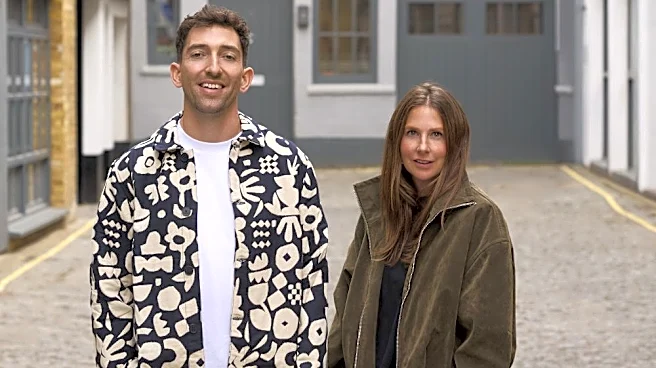
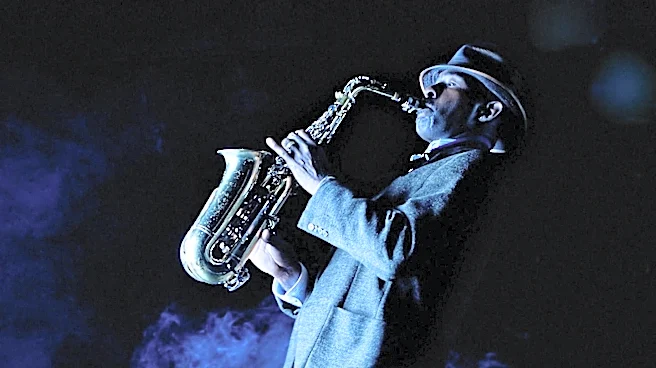
The Inglewood-based jazz duo Black Nile, composed of brothers Lawrence and Aaron Shaw, is set to open for Erykah Badu at the Hollywood Bowl. Their recent album, 'Indigo Garden,' was inspired by a residency at Mass MoCA and features artwork designed by artist
Charles Gaines, who also mentored Lauren Halsey, an artist who connected Black Nile with Badu. The Shaw brothers are deeply rooted in L.A.'s jazz history, acknowledging its serious academic and cultural foundations, particularly from Central Avenue and Compton. However, they are also fluent in contemporary digital culture, with Aaron Shaw humorously suggesting that 'TikTok is saving jazz' by making it accessible to a new generation. They aim to translate the rich history of L.A. jazz for younger fans, bridging generational gaps through their music.
Why It's Important?
Black Nile's approach signifies a crucial evolution in the jazz landscape, demonstrating how traditional art forms can adapt and thrive in the digital age. By embracing platforms like TikTok, they are actively working to dismantle the perception of jazz as an exclusive or inaccessible genre, thereby expanding its audience and ensuring its relevance for future generations. This integration of historical reverence with modern engagement is vital for the survival and growth of jazz, particularly in a city with a rich but often overlooked jazz heritage like Los Angeles. Their collaboration with visual artists also highlights the interdisciplinary nature of contemporary art, where music, visual arts, and digital media converge to create immersive experiences, potentially attracting diverse audiences to jazz performances and recordings.
What's Next?
Black Nile's performance at the Hollywood Bowl, opening for a prominent artist like Erykah Badu, will significantly increase their visibility and potentially introduce their unique blend of jazz to a wider audience. Their continued use of digital platforms and collaborations with other artists could set a precedent for how jazz musicians engage with contemporary culture. This strategy may inspire other jazz artists to explore similar avenues, leading to a broader revitalization of the genre. The ongoing dialogue between traditional jazz institutions and new digital spaces will likely shape the future of jazz education, performance, and consumption, fostering a more inclusive and dynamic environment for the art form.
Beyond the Headlines
The statement 'TikTok is saving jazz' points to a deeper cultural shift in how art is discovered, consumed, and valued. In an era dominated by short-form content and algorithmic curation, platforms like TikTok can act as powerful democratizers, allowing niche genres to reach global audiences without traditional gatekeepers. This phenomenon challenges conventional notions of artistic merit and commercial success, suggesting that authenticity and relatability can be as impactful as established industry pathways. Black Nile's success in bridging the gap between historical jazz and contemporary digital culture also highlights the resilience of art forms and their capacity to reinvent themselves. It underscores the idea that cultural preservation doesn't always mean rigid adherence to tradition but often involves innovative adaptation and engagement with new technologies and audiences.