







What's Happening?
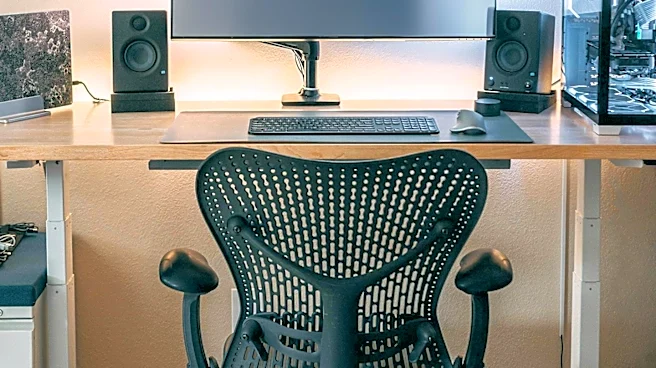
The design of home office setups is increasingly focusing on ergonomics to enhance comfort and productivity, moving beyond just aesthetic appeal. Key recommendations for an optimal home office include ensuring proper lower back support, with feet comfortably
resting on the floor or a footrest. Forearms should be roughly horizontal when typing to prevent strain. The computer screen should be positioned about an arm's length away, with the top of the screen at eye level to avoid neck and shoulder discomfort. Additionally, the keyboard and mouse should be close enough to allow elbows to remain near the sides and shoulders relaxed. Adjustable-height desks are gaining popularity, enabling users to alternate between sitting and standing positions throughout the day. Beyond furniture, lighting adjustments are crucial to reduce screen glare, and a wider workspace allows for varied positions and movement, contributing to a more comfortable routine. These adjustments aim to mitigate musculoskeletal disorders often associated with prolonged desk work.
Why It's Important?
The emphasis on ergonomic home office setups is vital for the well-being and productivity of the U.S. workforce, particularly with the rise of remote work. Poor ergonomic practices can lead to musculoskeletal disorders, including back, neck, and upper limb problems, which can result in significant lost working days and increased healthcare costs. By adopting ergonomic principles, individuals can reduce physical discomfort, improve concentration, and maintain higher levels of productivity. For businesses, promoting ergonomic setups for remote employees can lead to fewer sick days, higher employee morale, and better overall output. Investing in or educating employees about proper workstation arrangement can be a cost-effective strategy to support employee health and business continuity. This shift also highlights a broader recognition of the importance of physical comfort in the work environment, whether in a traditional office or a home setting.
What's Next?
As remote and hybrid work models continue to evolve, there will likely be an increased focus on employer responsibility for home office ergonomics. This could lead to more widespread adoption of ergonomic guidelines, potential subsidies for ergonomic equipment, or mandatory training for employees on setting up their home workstations correctly. Manufacturers of office furniture and technology are expected to innovate further, offering more sophisticated and affordable ergonomic solutions, such as advanced adjustable desks, ergonomic chairs, and monitor arms. Additionally, there may be a growing market for professional ergonomic assessments for home offices, similar to those conducted in traditional office environments. The trend suggests a future where personalized, health-conscious workspace design becomes a standard expectation rather than a luxury, influencing both individual purchasing decisions and corporate policies.
Beyond the Headlines
The shift towards ergonomic home office setups reflects a deeper cultural change in how work is perceived and integrated into daily life. It underscores a growing awareness of the interconnectedness between physical health, mental well-being, and professional performance. This trend moves beyond mere functionality, touching upon the ethical responsibility of employers to ensure a safe working environment, even when that environment is an employee's home. It also highlights the psychological impact of a well-designed workspace, where comfort and efficiency can reduce stress and foster a more positive work-life balance. The long-term implications could include a redefinition of 'office space' itself, with greater emphasis on adaptability, individual needs, and holistic well-being, potentially influencing urban planning, residential design, and the broader economy as demand for ergonomic products and services grows.