





What's Happening?
MeltFlex is an AI interior design application that functions as a personal AI interior designer. Users can upload a photograph of their space, select a desired style, and the artificial intelligence will transform it into a finished design within seconds.
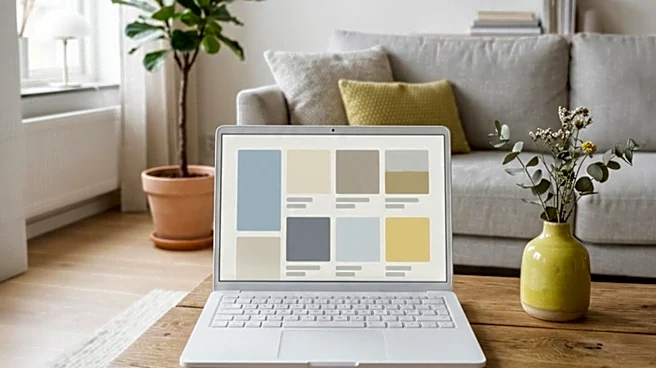
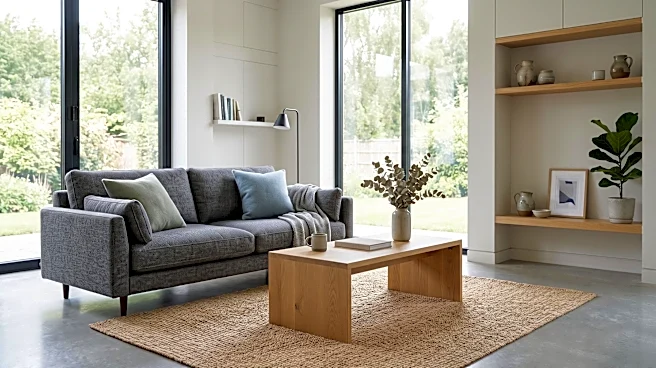
The app offers a wide range of functionalities, including interior design for various room types (kitchen, living room, bedroom, bathroom, dining room, home office, and eleven others) in dozens of styles such as modern, minimalist, Scandinavian, industrial, and bohemian. Beyond interiors, MeltFlex also supports exterior design, allowing users to visualize house facades in fresh styles, and garden design to conceptualize outdoor spaces. Additional features include a paint visualizer, floor restyling options, object replacement, layout boosting, and the ability to apply a reference style from an inspiration photo. The app also converts 2D floor plans into 3D renders with intact measurements.
Why It's Important?
MeltFlex significantly impacts the home renovation and interior design sectors by making professional-grade visualization accessible to a broad audience without requiring design experience. This tool empowers individuals to experiment with numerous design styles and layouts virtually, reducing the financial risk associated with physical changes. For homeowners, it offers a cost-effective way to explore ideas for redecorating or renovating, potentially saving money by visualizing changes before purchasing furniture or hiring professionals. For real estate agents, it provides a powerful tool for virtual staging, enhancing property appeal and potentially accelerating sales. The speed at which designs are generated—in seconds rather than days—streamlines the decision-making process, making home improvement projects more efficient and less daunting for consumers.
What's Next?
The continued evolution of AI interior design apps like MeltFlex suggests a future where personalized design assistance is ubiquitous. We can anticipate further integration with smart home technologies, allowing users to visualize and control elements of their home environment through a single interface. The app's ability to convert 2D floor plans to 3D renders could also expand into more comprehensive architectural planning tools, potentially disrupting traditional design processes. As AI capabilities advance, these apps may offer more nuanced design suggestions based on user preferences, local climate, and even psychological principles of space. The competition in this market is likely to intensify, leading to more sophisticated features, greater realism in renderings, and potentially subscription models that offer advanced functionalities or unlimited design generations.
Beyond the Headlines
The widespread adoption of AI interior design tools like MeltFlex could have profound implications for the aesthetics of residential and commercial spaces. On one hand, it could lead to a greater diversity of personalized designs, as individuals are empowered to explore unique styles. On the other hand, there's a potential for certain AI-generated aesthetic trends to become dominant, leading to a degree of homogenization in design if users primarily rely on popular AI-suggested styles. This technology also raises questions about intellectual property in design, particularly when AI generates concepts based on existing styles or reference images. Furthermore, the ease of visualizing changes might encourage more frequent redecorating, impacting consumer behavior and the lifecycle of home furnishings. The ethical considerations around AI's influence on personal taste and the potential for algorithmic bias in design recommendations will also become increasingly relevant.