






What's Happening?
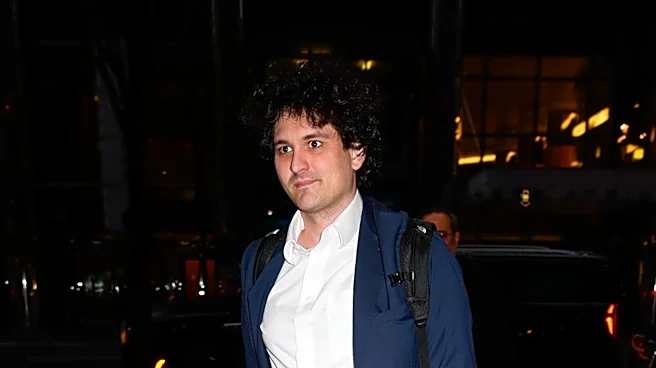
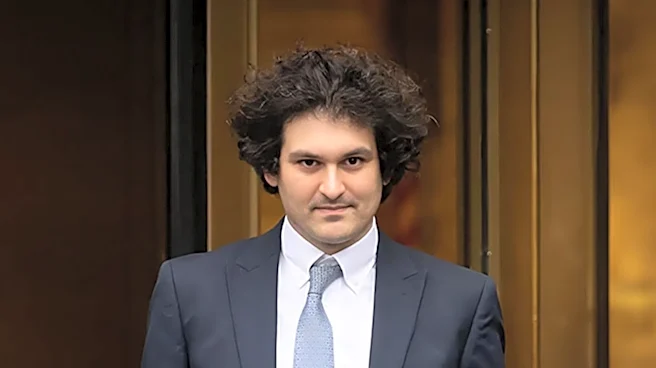
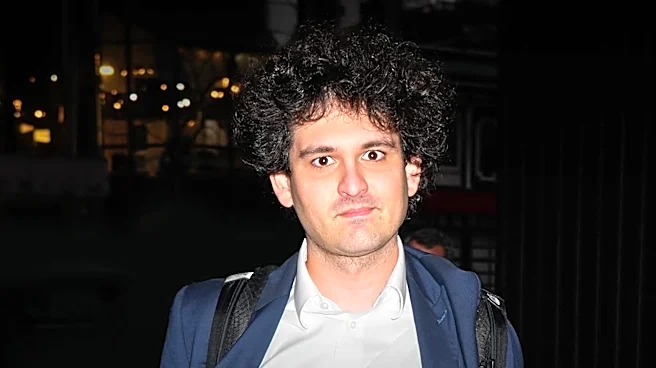
Sam Bankman-Fried, the former CEO of FTX, stated in a November 2025 prison interview that he intends to return to the cryptocurrency, artificial intelligence, or finance sectors after his release. This declaration comes while he is serving a 25-year sentence
for fraud, conspiracy, and money laundering related to the collapse of FTX. Bankman-Fried, born in March 1992, would be in his early fifties at the earliest possible release, which, with good-time credit, is projected for the mid-2040s. No specific company, role, or timeline beyond 'after his release' was mentioned in the interview, and no transcript has been fully released. Since the interview, no company has announced an affiliation with Bankman-Fried, nor has any venture fund named him as an advisor. His legal team is appealing his conviction and sentence, but no ruling has altered his release date.
Why It's Important?
Bankman-Fried's expressed ambitions highlight the enduring allure of the crypto and AI sectors, even for individuals facing severe legal repercussions. His statement, made from prison, underscores a potential disconnect between personal aspirations and the practical realities of a lengthy incarceration and significant legal restrictions. The absence of any concrete plans or affiliations following his remarks indicates the substantial barriers he faces, including a 25-year sentence, an $11 billion forfeiture judgment, and potential permanent injunctions from regulatory bodies like the SEC and CFTC. These civil actions could impose officer-and-director bars, preventing him from holding leadership roles in public companies. The situation also serves as a stark reminder of the consequences for financial misconduct in emerging industries and the long-term impact on an individual's professional future, regardless of their past influence or perceived intellectual capital.
What's Next?
Bankman-Fried's immediate future involves serving his 25-year sentence, with the earliest possible release in the mid-2040s. His appeal to the Second Circuit is ongoing, and a successful outcome could potentially alter his sentence or conviction, though no such development has occurred. Concurrently, the SEC and CFTC civil cases, which were stayed during his criminal trial, are moving towards consent judgments that could impose permanent injunctions and officer-and-director bars, further restricting any future involvement in finance or public companies. The FTX bankruptcy estate continues its efforts to recover funds for creditors, with ongoing clawback litigation that keeps Bankman-Fried's name in court filings. Any future professional endeavors would also be subject to the $11 billion forfeiture judgment, meaning any earnings could be seized. Without a significant legal reversal, his stated ambitions remain purely speculative, with no operational substance for at least two decades.
Beyond the Headlines
Bankman-Fried's prison interview, despite its lack of immediate practical implications, offers a glimpse into the mindset of a convicted high-profile figure grappling with a long sentence. It raises questions about rehabilitation, the nature of ambition, and the long-term impact of severe legal penalties on individuals who once held significant power in rapidly evolving industries. The enduring interest in crypto and AI, even from behind bars, suggests these sectors continue to be perceived as frontiers of innovation and wealth creation, regardless of past failures or ethical breaches. The case also highlights the extensive legal and regulatory hurdles that await individuals convicted of financial crimes, demonstrating how a criminal sentence is often just one component of a much broader and lasting professional disqualification. This narrative could contribute to ongoing discussions about accountability in the tech and finance industries and the effectiveness of current legal frameworks in deterring future misconduct.