







What's Happening?
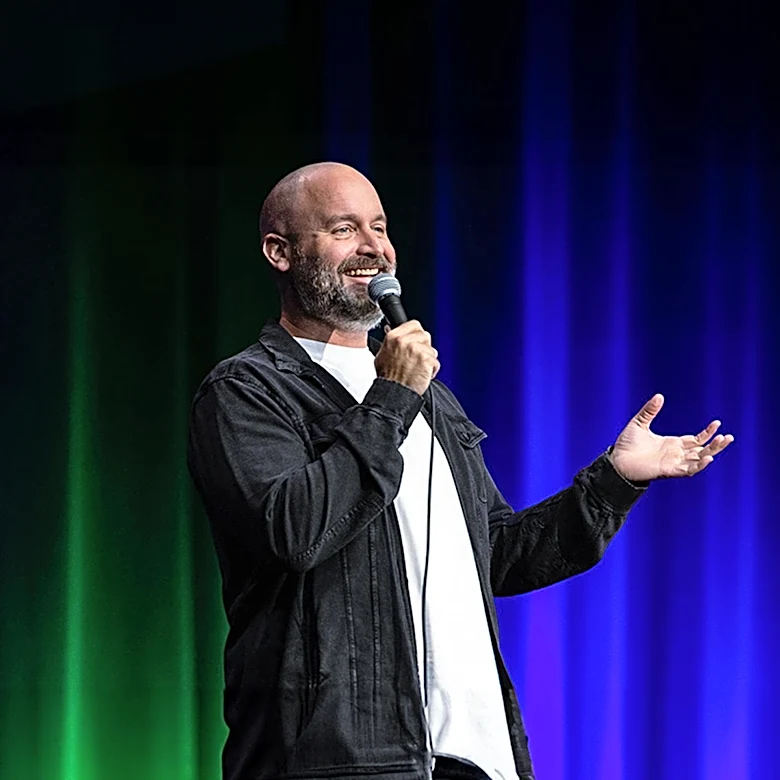
Comedian Bobby Lee recently discussed his long-awaited first stand-up special during an interview. In the conversation, Lee shared personal anecdotes about his late father and his mother's strong admiration for the K-pop group BTS. The interview provided
insights into Lee's personal life and comedic influences, offering a blend of humor and heartfelt stories. This discussion is highlighted as a valuable resource for individuals looking to improve their casual, conversational English, as it features common idioms and natural storytelling phrasing.
Why It's Important?
Bobby Lee's discussion about his first stand-up special and family life is significant for the U.S. entertainment industry as it showcases the personal narratives that often fuel comedic performances. The sharing of intimate family stories, such as his mother's passion for BTS and reflections on his father, resonates with audiences and adds depth to his public persona. This type of content not only promotes his upcoming special but also contributes to the broader cultural conversation around family dynamics and the influence of global pop culture, like BTS, within American households. For fans of comedy, it offers a deeper understanding of the artist's creative process and personal background.
What's Next?
Following this interview, anticipation for Bobby Lee's first stand-up special is likely to increase. The special itself will be a significant milestone in his career, potentially leading to further touring, television appearances, or streaming deals. The themes discussed, particularly the influence of his family and cultural touchstones like BTS, may feature prominently in his future comedic material. The interview's utility as an English learning tool also suggests a broader reach beyond typical comedy audiences, potentially attracting new viewers interested in language acquisition through authentic conversational content.
Beyond the Headlines
The interview with Bobby Lee delves into the often-unseen personal struggles and inspirations behind a comedian's public persona. His candidness about his family, including his father's past opinions on his comedic abilities and his mother's fervent fandom, highlights the complex interplay between personal relationships and professional identity. This transparency can foster a deeper connection with audiences, moving beyond mere laughter to a shared human experience. It also subtly underscores the growing influence of global cultural phenomena, such as K-pop, on American family life and individual identities, reflecting a more interconnected world.