







What's Happening?
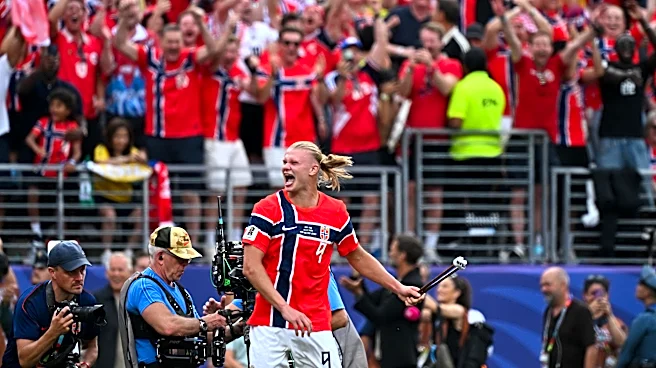
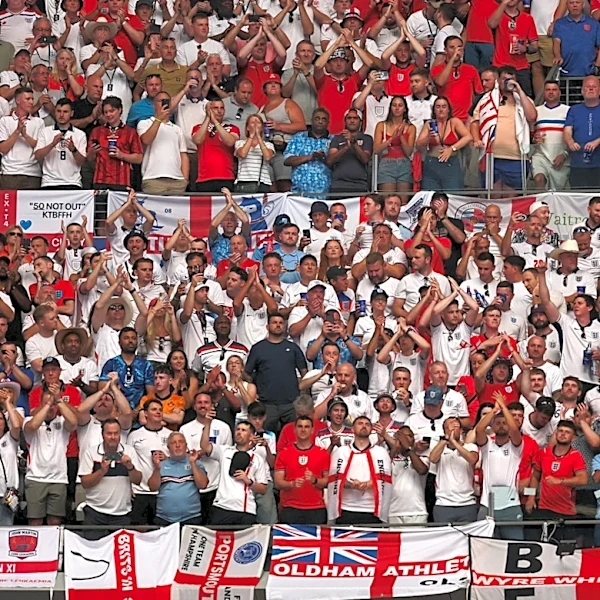
During the 2026 FIFA Men's World Cup, hosted by the United States, Mexico, and Canada, many Europeans have reportedly changed their perceptions of America. The tournament, which saw most of its matches played in the U.S., attracted thousands of European visitors.
Prior to the event, many Europeans held negative views of the U.S., influenced by media portrayals and political narratives. However, their experiences during the World Cup have led to a shift in opinion. Visitors have expressed surprise at the friendliness of Americans and the country's cultural offerings. Additionally, aspects of American life, such as air conditioning, have been particularly appreciated by European visitors.
Why It's Important?
The change in perception among European visitors during the World Cup is significant as it highlights the potential for international events to alter global opinions and foster cultural understanding. This shift could have positive implications for U.S. tourism and international relations, as firsthand experiences often counteract preconceived notions. The World Cup has provided an opportunity for the U.S. to showcase its hospitality and cultural diversity, potentially leading to increased tourism and improved diplomatic relations with European countries. The event underscores the power of sports and cultural exchanges in bridging gaps between nations.
What's Next?
As the World Cup continues, the U.S. may see further positive shifts in international perceptions. The experiences of European visitors could lead to increased tourism and interest in American culture and lifestyle. Additionally, the U.S. might leverage this opportunity to strengthen diplomatic ties with European nations, using the goodwill generated by the World Cup to foster collaboration in other areas. The success of the tournament could also encourage the U.S. to bid for future international events, further enhancing its global image.
Beyond the Headlines
The World Cup's impact on European perceptions of America also highlights the role of media in shaping international views. The contrast between media portrayals and personal experiences suggests a need for more nuanced reporting on international relations. Furthermore, the appreciation of American amenities like air conditioning points to cultural differences that can be explored and understood through such global events. This development may encourage more open dialogues about cultural exchange and mutual understanding between the U.S. and Europe.