

What's Happening?
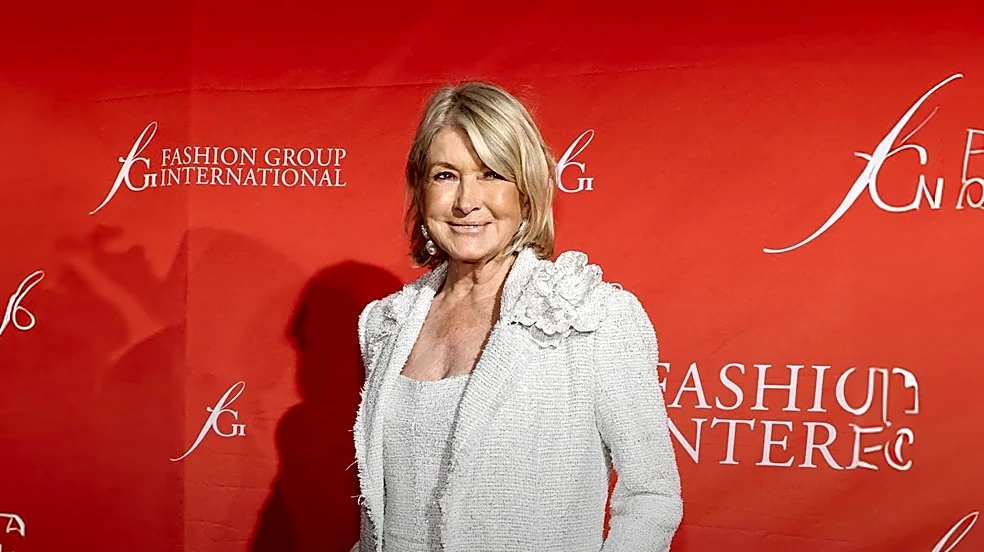
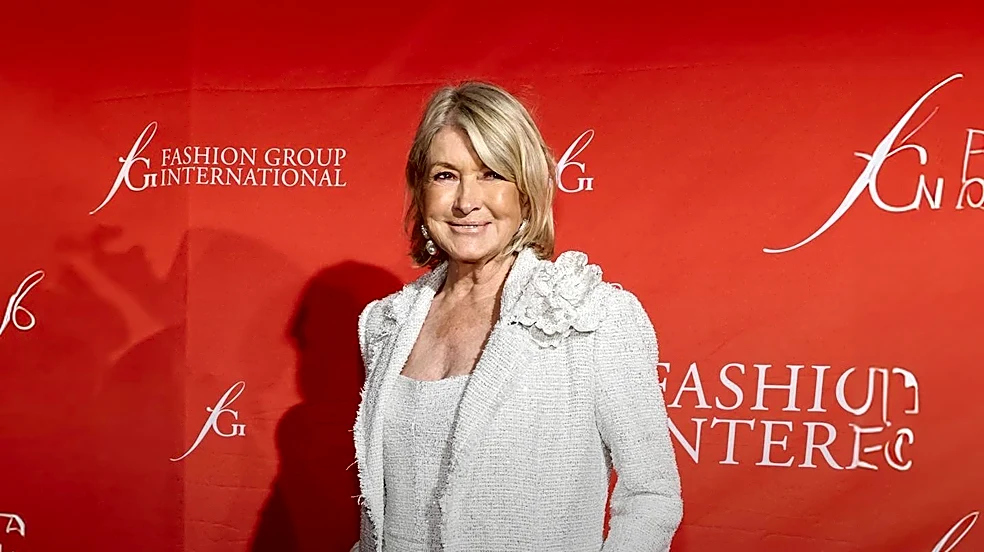
Martha Stewart has embraced a 'no-mascara' mascara look, focusing on subtle lash enhancement rather than heavy product application. This technique aims to make lashes appear naturally longer and more defined without obvious signs of mascara. Celebrity
makeup artist and esthetician Amanda Gabbard, in an exclusive interview with Women.com, explained that the secret lies in achieving definition, separation, and lift, rather than creating big, fluffy, coated lashes. To achieve this, Gabbard recommends using a lash curler at both the base and tips of the lashes. She also suggests opting for brown or sheer/clear mascara instead of black for a softer effect. Additionally, using a mascara with a small, slim wand is advised for better lash separation, and wiping off excess product from the wand before application helps in applying a subtle amount at the roots, pulling upwards for just one coat. Stewart also incorporates subtle eyeliner, using soft taupe or brown shadow along the lash line or a dark brown pencil pushed between lashes for added definition.
Why It's Important?
This beauty trend, popularized by figures like Martha Stewart, highlights a shift towards more natural and understated makeup looks, particularly appealing across different age groups. For the beauty industry, it signifies a potential increase in demand for products that support this aesthetic, such as brown or clear mascaras, slim-wand mascaras, and subtle eyeliners in neutral tones. Makeup artists and beauty brands may need to adapt their product offerings and marketing strategies to cater to consumers seeking 'naturally enhanced' looks. The emphasis on minimal product application also promotes a less-is-more philosophy, which can influence consumer purchasing habits towards quality over quantity in certain makeup categories. This approach can also empower individuals to feel confident with less makeup, promoting a more authentic self-image in daily life and media representation.
What's Next?
The continued popularity of the 'no-mascara' look could lead to beauty brands developing more specialized products designed for subtle enhancement, such as mascaras with unique brush designs for separation or tinted lash primers. We might see an increase in tutorials and content from beauty influencers and makeup artists demonstrating how to achieve this natural aesthetic. Retailers may also adjust their displays and recommendations to highlight products suitable for this trend. Furthermore, as more public figures adopt and showcase such natural beauty approaches, it could further normalize and encourage a broader acceptance of minimal makeup in everyday settings and professional environments, potentially influencing future beauty standards and consumer preferences.
Beyond the Headlines
Beyond the immediate beauty trend, Martha Stewart's adoption of the 'no-mascara' look reflects a broader cultural movement towards authenticity and self-acceptance. In an era often dominated by heavily filtered and made-up appearances on social media, this trend subtly challenges conventional beauty standards that often equate glamour with extensive makeup application. It suggests a growing appreciation for natural features and a desire for beauty routines that enhance rather than transform. This shift could have long-term implications for how beauty is perceived and marketed, encouraging a more inclusive definition of beauty that values individual features and subtle enhancements. It also aligns with a general wellness trend, where consumers are increasingly seeking products and practices that promote health and natural well-being.