





What's Happening?
Veterinarians and scientists are increasingly recognizing the critical role of a healthy gut microbiome in dogs, impacting everything from digestion to mood and immune function. The microbiome, a community of bacteria and microorganisms in a dog's digestive
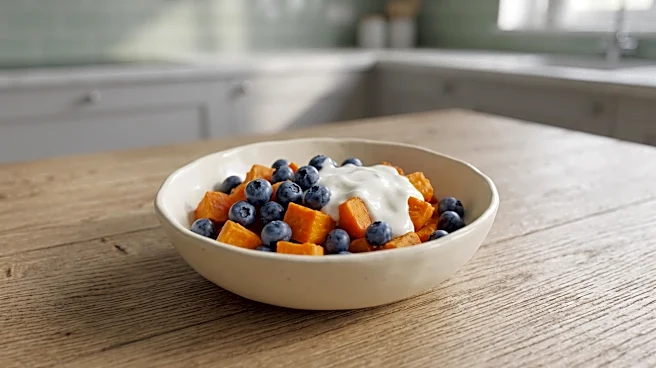
tract, is responsible for 70-90% of the canine immune system. To support this vital internal ecosystem, experts recommend incorporating specific natural dietary additions. These include probiotic-rich foods like plain yogurt (without sugars or xylitol), though canine-specific probiotic supplements are often preferred. Prebiotic foods, which are special fibers that fuel beneficial bacteria, such as bananas, cooked sweet potatoes, and oats, are also beneficial. Additionally, fresh fruits and vegetables like blueberries, spinach, and red bell peppers, along with Omega-3 fatty acids from fish oil, contribute to gut diversity and reduce inflammation.
Why It's Important?
Maintaining a balanced and diverse gut microbiome is crucial for a dog's overall well-being, as it directly influences their immune system, digestive efficiency, and even behavior. An unhealthy gut can lead to various health issues, making it essential for pet owners to understand how diet impacts this internal ecosystem. The emphasis on natural additions provides accessible ways for owners to proactively support their pets' health. However, the caution against human probiotics and the recommendation for veterinary consultation highlight the need for species-specific and individualized approaches to canine nutrition. This focus on gut health represents a significant shift in veterinary care, moving towards preventive strategies that address the root causes of health problems rather than just treating symptoms.
What's Next?
As research into the canine microbiome continues, more specific recommendations for diet and supplementation are likely to emerge. Pet owners can expect to see a wider range of canine-specific probiotic and prebiotic products, potentially tailored to different breeds or health conditions. Veterinary nutritionists may develop more personalized dietary plans that consider a dog's unique microbiome profile. There will likely be increased education for pet owners on the importance of gut health, leading to more informed choices about commercial dog foods and supplements. The trend suggests a future where gut health assessments become a more routine part of veterinary check-ups, allowing for early intervention and optimization of a dog's internal health.
Beyond the Headlines
The growing understanding of the canine gut microbiome mirrors similar advancements in human health, underscoring the universal importance of microbial balance across species. This interconnectedness highlights the potential for shared insights between human and animal health research. Ethically, it reinforces the responsibility of pet owners to provide optimal nutrition and care, recognizing that a dog's diet has far-reaching effects beyond immediate satiety. Culturally, it may lead to a greater appreciation for the complexity of animal physiology and a more holistic approach to pet care, moving beyond basic feeding to a more nuanced understanding of nutritional science. This shift could also influence the pet food industry, driving demand for products that specifically support microbiome health and transparency in ingredient sourcing.