






What's Happening?
Ethereum co-founder Vitalik Buterin has called for open-source chip designs to bolster hardware security within the cryptocurrency industry. In a blog post published on November 26, Buterin emphasized that while the crypto sector has largely focused on securing
software, cryptographic protocols, and private keys, the underlying hardware remains a significant and often overlooked security vulnerability. He introduced an amendment to the long-standing crypto security motto, stating, 'Not your silicon, not your keys,' to highlight the critical role of hardware transparency. Buterin argues that even with secure wallet software, compromised hardware could expose sensitive information like private keys and seed phrases. He believes that verifying how a computer operates ultimately requires examining its underlying hardware, including transistors, silicon, and electrical circuits, which are currently opaque and proprietary.
Why It's Important?
This advocacy by Vitalik Buterin underscores a growing concern about the integrity of hardware in the crypto ecosystem. The current proprietary nature of chip design means users have limited visibility into the actual functions of the underlying hardware, even when software is open-source and audited. This lack of transparency creates a vulnerability where malicious implants or replaced chips with hidden features could bypass software-level security checks, potentially leading to the exfiltration of sensitive data such as seed phrases. For the U.S. crypto industry and its users, this could mean a significant re-evaluation of hardware supply chains and security protocols. Increased transparency through open-source chip designs could foster greater trust and reduce the risk of sophisticated hardware-based attacks, protecting digital assets and enhancing the overall security posture of the crypto market.
What's Next?
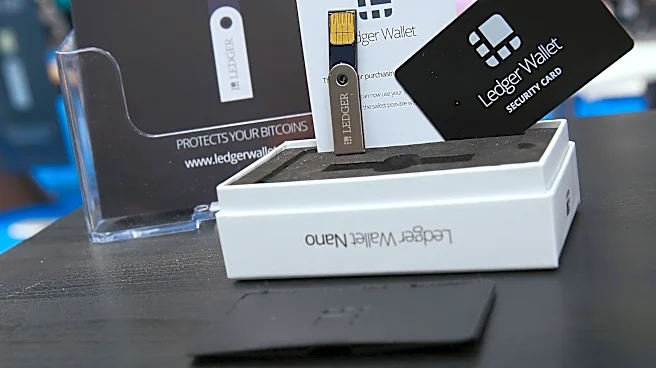
Buterin suggests that publicly accessible hardware designs would enable independent researchers to verify chip functions, moving beyond just Verilog code to include openness down to the GDS level, which details the physical geometry of a chip's components. He also highlighted the importance of Process Design Kits (PDKs) for manufacturing and validation. While acknowledging that performance-intensive sectors like AI may not fully adopt open-source manufacturing, Buterin anticipates a division between performance-focused and security-focused hardware, with the latter prioritizing transparency. He envisions professional auditors, journalists, and civil society groups using specialized equipment to inspect chips, rather than consumers. This initiative could lead to new industry standards for hardware transparency and security, potentially influencing chip manufacturers and hardware wallet providers to adopt more open practices.
Beyond the Headlines
The call for open-source chip design by a prominent figure like Vitalik Buterin could trigger a broader discussion about trust and transparency in the technology supply chain, extending beyond just the crypto industry. It highlights an ethical dimension where the security of digital assets and personal data relies on components whose inner workings are largely hidden from public scrutiny. This move could foster a shift towards a more verifiable and auditable hardware ecosystem, potentially influencing regulatory bodies to consider hardware security standards. The long-term implication could be a fundamental change in how hardware is designed, manufactured, and verified, creating a precedent for other critical infrastructure where security and transparency are paramount. It also raises questions about the balance between proprietary innovation and public security.