


What's Happening?
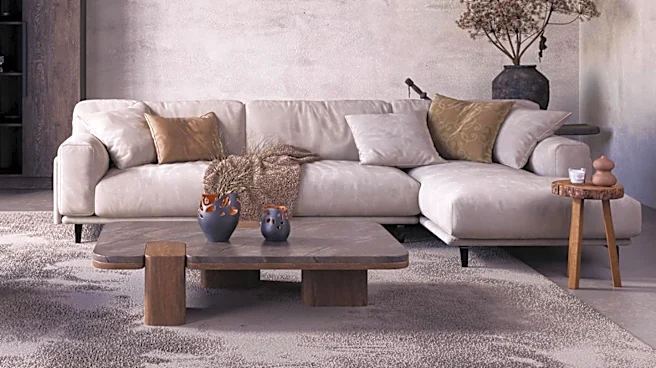
Wabi sabi is a Japanese aesthetic philosophy that is gaining traction in interior design, focusing on the beauty of imperfection and transience. This design approach prioritizes muted, earthy, and neutral color palettes, along with natural, raw, and imperfect materials
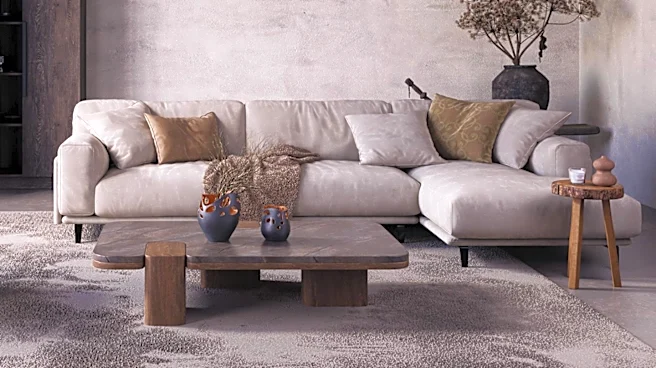
such as unglazed ceramics, raw wood, linen, and natural stone. Furniture in a wabi sabi space tends to be organic, mixed-era, and grounded, often featuring visible grain or handmade joinery. Lighting is typically warm, soft, and natural, with an emphasis on natural light and fixtures made from raw materials like paper or unfinished wood. Accessories are minimal, handmade, and aged, contributing to an overall mood of calm, authenticity, and a lived-in feel. Unlike minimalism, which often features clean lines and perfect symmetry, wabi sabi embraces irregularities and visible textures, valuing character over polished perfection. The philosophy encourages keeping meaningful or useful items and allowing materials to age naturally, rather than chasing a showroom-perfect look.
Why It's Important?
The growing interest in wabi sabi reflects a broader shift in consumer preferences towards more authentic, sustainable, and less consumeristic lifestyles within the U.S. interior design market. This aesthetic challenges the prevailing culture of constant upgrades and the pursuit of flawless, mass-produced items, encouraging individuals to appreciate the inherent beauty in aged and imperfect objects. For the design industry, it signifies a demand for craftsmanship, natural materials, and unique, handmade pieces, potentially boosting artisans and suppliers of sustainable goods. Homeowners may find this approach more accessible and less stressful, as it reduces the pressure to maintain pristine environments and encourages a more relaxed, personal connection with their living spaces. This philosophy also aligns with environmental consciousness by promoting the longevity of items and reducing waste, as it discourages replacing worn items purely for newness.
What's Next?
As wabi sabi continues to gain popularity, it is likely to influence product development in home furnishings, textiles, and decor, with manufacturers potentially offering more items that feature natural imperfections, raw finishes, and artisanal qualities. We may see an increase in demand for vintage and secondhand furniture, as these items inherently embody the aged and imperfect characteristics central to wabi sabi. Interior designers might further integrate this philosophy into their projects, offering clients spaces that feel more grounded and authentic. Educational content and workshops on incorporating wabi sabi principles into homes could also become more prevalent, guiding consumers on how to curate spaces that reflect this aesthetic. The trend could also inspire a re-evaluation of what constitutes 'luxury' in home design, shifting focus from pristine newness to unique character and history.
Beyond the Headlines
Beyond its aesthetic appeal, wabi sabi offers a philosophical counterpoint to the fast-paced, disposable culture often associated with modern consumerism. It encourages a mindful approach to living, fostering an appreciation for the transient nature of things and finding beauty in the ordinary and imperfect. This can have psychological benefits, promoting a sense of calm and contentment by reducing the pressure to achieve an unattainable ideal of perfection in one's home. Legally and ethically, the emphasis on natural and raw materials could drive demand for more sustainable sourcing practices and ethical production, potentially influencing supply chains in the home goods industry. Culturally, it represents an ongoing cross-cultural exchange, where Japanese philosophical concepts are adopted and adapted within Western contexts, enriching design discourse and offering new perspectives on how we interact with our living environments.