


What's Happening?
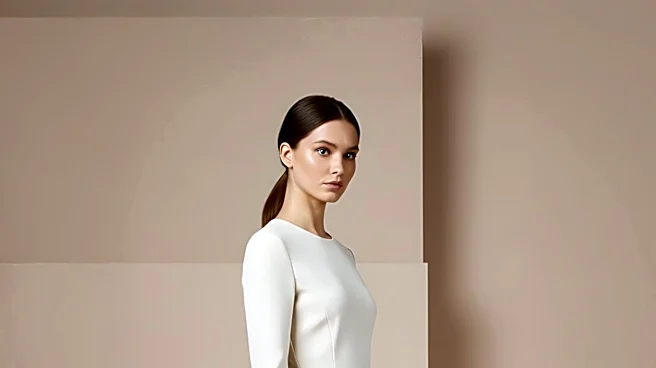
Uniqlo U, the popular line from the Japanese fashion retailer, is releasing its final collection under the co-artistic direction of Christophe Lemaire and Sarah-Linh Tran. This Fall/Winter 2026 collection, titled 'Confidence In Form,' marks the end of a decade-long
partnership that began in 2016. The 31-piece line-up, launching in Singapore on September 11, continues the brand's 'Future LifeWear' approach, emphasizing soft materials, thoughtful tailoring, and nuanced palettes for everyday utility. Highlights of the collection include structured yet movement-friendly outerwear, such as the Women’s Hybrid Down Short Jacket and Men’s Wool Blend Short Coat, which incorporate workwear elements designed for cold weather. The collection also features reworked classics like the Fishtail Parka, alongside fluid, genderless knits and tops designed to be worn across genders. Prices for the collection range from $19.90 for tops to $169.90 for outerwear. Tadashi Yanai, chairman, president, and chief executive of Fast Retailing, Uniqlo’s parent company, expressed gratitude for Lemaire and Tran's contributions, noting their outstanding sense of aesthetics and creativity elevated Uniqlo U.
Why It's Important?
The conclusion of Christophe Lemaire and Sarah-Linh Tran's tenure at Uniqlo U signifies a notable shift for a highly successful collaboration in the global fashion industry. Their 'Future LifeWear' concept, which blended high fashion sensibilities with everyday practicality and affordability, has significantly influenced mainstream retail trends, particularly in the U.S. market. This partnership demonstrated how accessible fashion can incorporate sophisticated design principles, appealing to a broad consumer base seeking quality and style without exorbitant prices. The emphasis on genderless designs and versatile pieces within their final collection reflects a growing consumer demand for inclusive and sustainable fashion choices, impacting how other retailers approach product development and marketing. For Uniqlo, this transition will test its ability to maintain the distinct identity and commercial success of the U line without its founding creative directors, potentially leading to new design directions or a re-evaluation of its collaborative strategies. The impact extends to consumers who have come to expect a certain aesthetic and quality from Uniqlo U, and their reactions to future collections will be closely watched by competitors.
What's Next?
Following the release of the Fall/Winter 2026 collection, the Uniqlo U line will continue to exist, but without the direct leadership of Christophe Lemaire and Sarah-Linh Tran. The brand will need to announce its plans for the future creative direction of Uniqlo U, which could involve appointing new designers, evolving its in-house design team, or exploring different collaborative models. The market will be observing how Uniqlo maintains the line's appeal and distinct identity, which has been largely shaped by Lemaire and Tran's vision. Consumers and fashion critics will be keen to see if the brand can sustain the balance of innovative design, quality, and affordability that characterized the past decade. This transition may also prompt other fast-fashion retailers to reassess their own long-term design partnerships and strategies for maintaining brand relevance in a rapidly evolving industry. The success or challenges faced by Uniqlo U in this new chapter could set precedents for how major global brands manage creative leadership changes in their sub-labels.
Beyond the Headlines
The departure of Christophe Lemaire and Sarah-Linh Tran from Uniqlo U highlights broader trends in the fashion industry concerning the lifespan and evolution of designer-retailer collaborations. While such partnerships often bring prestige and innovation to mass-market brands, their finite nature raises questions about creative continuity and brand legacy. The 'genderless' aspect of their final collection is particularly significant, reflecting a cultural shift towards more fluid and inclusive fashion identities, challenging traditional gendered clothing norms. This move by a major global retailer like Uniqlo can further normalize and accelerate the adoption of gender-neutral apparel in mainstream markets, influencing design, marketing, and consumer behavior across the industry. Furthermore, the emphasis on 'everyday utility' and 'thoughtful tailoring' underscores a growing consumer preference for practical, durable, and well-designed clothing over fleeting trends, pushing brands to focus on quality and longevity. This development could encourage a more sustainable approach to fashion consumption, moving away from fast fashion's disposable model towards more considered purchases.