








What's Happening?
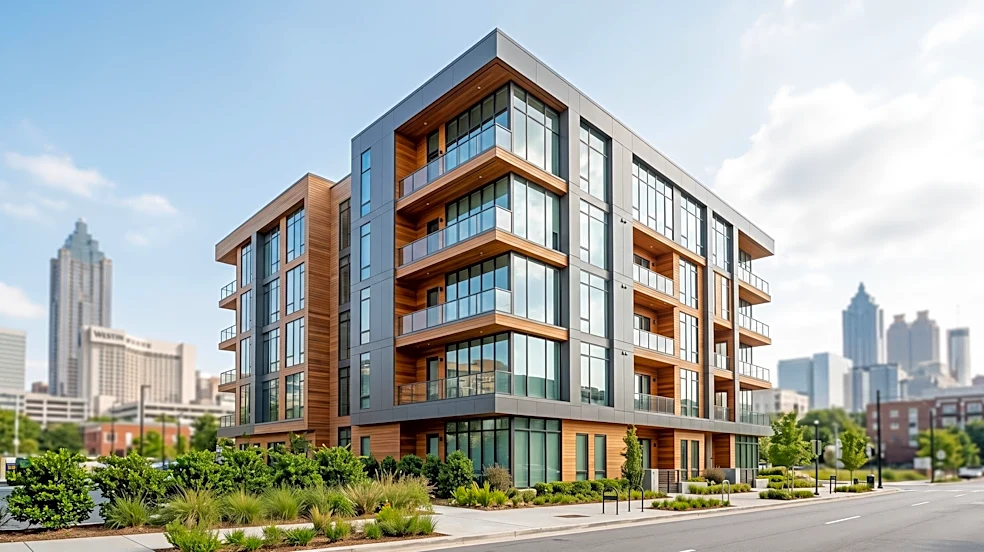
JPMorgan Chase is actively collaborating with the City of Atlanta to tackle its significant affordable housing shortage. Atlanta's metro area population is projected to reach 8 million by 2050, while the region lost over 230,000 affordable housing units
between 2018 and 2023. In response, Mayor Andre Dickens set a goal in early 2022 to create or preserve 20,000 affordable housing units by 2030, with 13,000 already completed or in progress. JPMorgan Chase has played a crucial role by providing financing and expertise, including executing two draw-down bonds totaling $150 million. These funds support the accelerated development of affordable housing on publicly owned land, preserve existing affordable units, and secure additional funding for shovel-ready projects. The city has implemented innovative solutions such as office-to-residential conversions, developing multifamily towers over fire stations, and transforming shipping containers into apartments for unhoused individuals. Additionally, JPMorgan Chase supports organizations like the Westside Future Fund (WFF) and the Atlanta Neighborhood Development Partnership (ANDP) to further expand affordable housing options and foster community revitalization.
Why It's Important?
This partnership is vital for Atlanta's economic growth and social equity. The loss of affordable housing disproportionately affects long-term residents and contributes to displacement, hindering community stability. JPMorgan Chase's involvement brings significant capital and strategic collaboration, enabling the city to pursue ambitious housing goals more rapidly than traditional financing methods. By supporting initiatives like the Westside Future Fund, which has invested over $130 million in real estate and delivered hundreds of rental units and single-family homes, the effort aims to revitalize historically neglected areas without displacing legacy residents. The collaboration with ANDP, which helps first-time homebuyers, particularly women heads of household and people of color, acquire homes significantly below the city's median price, is crucial for building generational wealth and addressing systemic inequalities. This model demonstrates how public-private partnerships can effectively address complex urban challenges, providing a blueprint for other rapidly growing U.S. cities facing similar housing crises.
What's Next?
The City of Atlanta, with continued support from JPMorgan Chase and its partners, will focus on completing the remaining affordable housing units to meet Mayor Dickens' 2030 goal. This includes further leveraging publicly owned land for development and exploring additional innovative housing solutions. Organizations like the Westside Future Fund plan to break ground on 220 more units this year, while ANDP will continue to expand its single-family housing production capacity, utilizing philanthropic support to acquire investor-owned properties for conversion into affordable homes. The success of these ongoing initiatives will likely influence future policy decisions and investment strategies in Atlanta, potentially encouraging more private sector engagement in affordable housing development. Regular evaluations of these programs will be crucial to assess their effectiveness and adapt strategies to evolving housing needs, ensuring long-term affordability and community stability.
Beyond the Headlines
The collaboration between JPMorgan Chase and Atlanta highlights a broader shift towards integrated, multi-sector approaches to urban development. Beyond simply providing housing, these initiatives aim to foster holistic community revitalization, addressing social networks, economic mobility, and access to essential services. For instance, the Westside Future Fund's work extends to small-business development and reopening schools that house health clinics and educational services, demonstrating a comprehensive view of community well-being. This approach recognizes that affordable housing is not an isolated issue but is deeply intertwined with economic opportunity, health, and social infrastructure. The focus on preventing displacement while revitalizing neighborhoods also addresses historical injustices and aims to build more equitable cities. This model could inspire other financial institutions and corporations to engage in similar community-driven development, recognizing the long-term benefits of stable, inclusive urban environments for both residents and the broader economy.