







What's Happening?
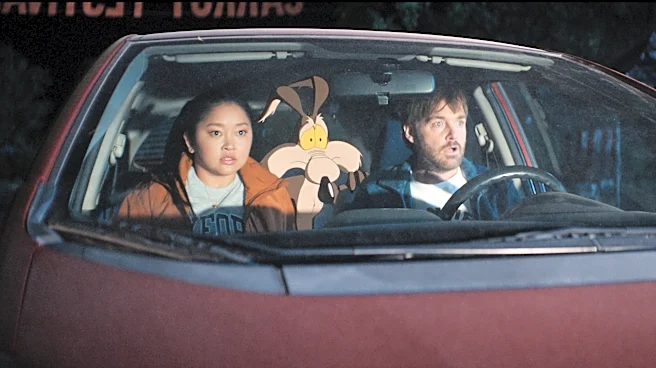
The film 'Coyote vs. Acme,' based on the classic Looney Tunes characters, has been acquired by Ketchup Entertainment for $50 million in 2025, following an attempt by Warner Bros. CEO David Zaslav to shelve it for a reported $30 million tax write-off in November
2023. The movie, which features Wile E. Coyote suing the Acme Company for defective products, stars Will Forte as lawyer Paul Avery and John Cena as his nemesis, Buddy Crane. The film was initially condemned to oblivion by Warner Bros., leading to significant online outrage from fans and film professionals. This move by Ketchup Entertainment ensures the film's release after its completion and initial shelving. The movie draws inspiration from a 1990 New Yorker piece by Ian Frazier and explores themes of corporate brutality and workplace violations within the Looney Tunes universe.
Why It's Important?
The rescue of 'Coyote vs. Acme' from being a tax write-off highlights a growing concern in the entertainment industry regarding studios shelving completed films for financial benefits, rather than releasing them. This practice, exemplified by Warner Bros.' initial decision, can be detrimental to creators, actors, and the cultural landscape, as it prevents audiences from seeing finished works and can demoralize those involved in their production. The public outcry and subsequent acquisition by Ketchup Entertainment demonstrate the power of fan engagement and the potential for independent distributors to step in when major studios prioritize financial maneuvers over artistic output. This event could set a precedent for how studios approach similar situations in the future, potentially encouraging more transparency or leading to increased pressure from creators and the public to release completed projects.
What's Next?
With Ketchup Entertainment acquiring the distribution rights, 'Coyote vs. Acme' is now set for release. The film's journey from being shelved to finding a new distributor suggests a potential shift in how completed projects are handled within the industry, especially those with significant fan bases. The success or failure of 'Coyote vs. Acme' at the box office could influence future decisions by both major studios and independent distributors regarding the value of previously shelved content. Additionally, the film's satirical take on corporate power and the legal system, as depicted through the Looney Tunes lens, may spark further discussion on these themes within popular culture. The film's release will also provide an opportunity for audiences to finally see the work that was almost lost.
Beyond the Headlines
The 'Coyote vs. Acme' saga delves into deeper implications concerning intellectual property, corporate ethics, and the evolving landscape of film distribution. The initial decision by Warner Bros. to use the film as a tax write-off raises ethical questions about the value placed on creative works versus financial bottom lines. It underscores a tension between artistic integrity and corporate strategy, where films can become mere assets to be leveraged for tax benefits. The film itself, by portraying Acme as a monopolistic entity that writes its own laws, offers a meta-commentary on corporate power and its influence, potentially mirroring real-world concerns about large corporations. This situation also highlights the cultural significance of beloved characters like Wile E. Coyote and the Road Runner, demonstrating that their stories resonate deeply enough with the public to generate significant backlash when their artistic future is threatened.