




What's Happening?
Instacart is re-focusing its in-store strategy towards intelligence and software solutions, moving away from hardware like Caper Carts. The company believes its strengths in software, data, and AI offer a greater opportunity to help retailers and brands
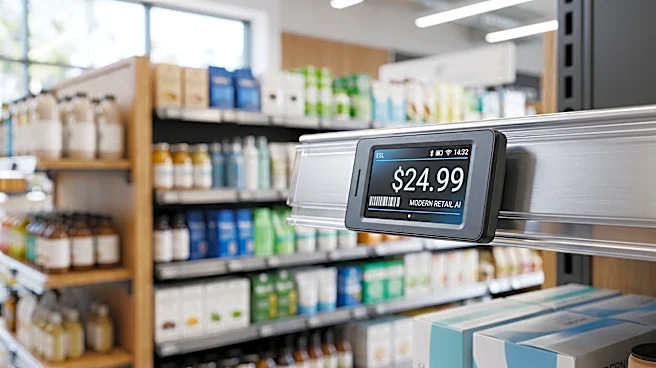
understand store dynamics and manage inventory effectively. This strategic shift aims to provide grocers and CPG brands with a live view of stores, ensuring shelves remain stocked and customers can find desired products. Instacart's current in-store offerings include FoodStorm for order management, Carrot Tags for electronic shelf labels, In-Store Mode for digital shopping, Store View scanning technology utilizing AI and computer vision, Inventory Intelligence for real-time shelf visibility, and the Store Excellence Portal for CPG brands. The decision to wind down the Caper Cart business was made after evaluating its progress and the investment required to scale, as retailer adoption had not met expectations. Instacart emphasizes that in-store technology remains a crucial part of its operating system, aiming to seamlessly power both online and physical stores.
Why It's Important?
This shift by Instacart signifies a broader trend in the retail industry towards integrating advanced software and AI into physical store operations. By prioritizing intelligence and data, Instacart aims to provide retailers with tools that enhance efficiency, reduce operational costs, and improve the customer experience. The move away from hardware like smart carts suggests that while innovative, such solutions may face challenges in widespread retailer adoption due to investment costs or scalability issues. The focus on real-time inventory management and shelf visibility directly addresses critical pain points for grocers, such as stockouts and merchandising optimization, which can significantly impact sales and customer satisfaction. This strategic pivot could influence other technology providers to concentrate on scalable software solutions that leverage existing store infrastructure, rather than introducing new, potentially costly hardware. Ultimately, this development underscores the increasing importance of data-driven insights and AI in modern retail to bridge the gap between online and in-store shopping experiences.
What's Next?
Instacart will continue to develop and expand its suite of in-store software solutions, focusing on areas like AI-powered computer vision for real-time shelf analysis and advanced inventory intelligence. Retailers and brands can expect more integrated platforms that offer comprehensive data and control over their operations, both online and in physical stores. The company's experience with Caper Carts will likely inform future technology development, emphasizing solutions that are easier to scale and integrate into existing retail environments. This strategic direction may also encourage other retail technology companies to prioritize software-as-a-service (SaaS) models over hardware-intensive offerings. The industry will likely see increased investment in AI for predictive analytics and enhanced shopping experiences, as retailers seek to personalize customer interactions and optimize store layouts. The emphasis on real-time data will drive further innovation in areas like contactless payments and mobile integration to streamline the shopping journey.
Beyond the Headlines
The shift towards software and AI in physical retail has deeper implications for the future of shopping. It highlights a move towards 'intelligent stores' where data-driven insights actively improve operations and customer experience, blurring the lines between digital and physical retail. This evolution raises questions about data privacy and the ethical use of AI in monitoring customer behavior, even as retailers aim to enhance personalization. The emphasis on real-time inventory and shelf management could lead to more sustainable retail practices by reducing waste from overstocking or expired products. Furthermore, the integration of AI could transform the role of store associates, shifting their focus from routine tasks to more customer-centric activities, guided by AI-powered insights. This technological advancement is not just about efficiency; it's about creating a more responsive, adaptive, and personalized shopping environment that caters to evolving consumer expectations for convenience and seamless experiences.