






What's Happening?
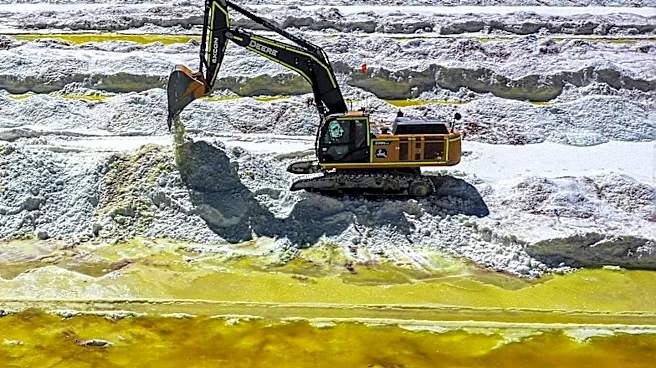
Aclara Resources, a company listed on the Toronto Stock Exchange, has received final environmental approval for its Penco Module rare-earths project in Chile's Biobio region. This approval is a significant milestone for the project, which is being developed
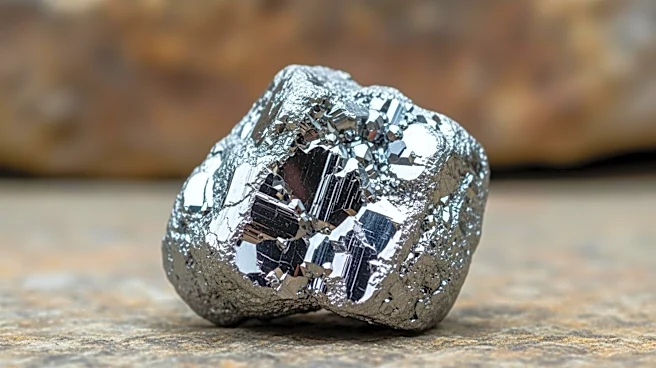
in partnership with Chilean steel and mining group CAP. The Penco Module is designed to produce rare-earth ionic clay, a critical material for permanent magnets used in electric vehicles and wind turbines. The project represents a $130-million investment and is expected to create approximately 700 construction jobs and 400 operational jobs. Aclara aims to establish a mine-to-magnet supply chain that includes feedstock from Chile and Brazil, a planned heavy rare-earth separation facility in Louisiana, and downstream alloy-making with CAP.
Why It's Important?
The approval of the Penco Module project is crucial for diversifying the global supply of rare earths, which are predominantly sourced from China. By developing this project, Aclara Resources is positioning itself as a key player in the rare-earths market, which is vital for the production of green technologies. The project's success could enhance Chile's role in the global supply chain for strategic materials, potentially boosting the country's economy and job market. Additionally, the development of a supply chain spanning multiple countries, including the U.S., aligns with efforts to reduce dependency on Chinese rare-earths and strengthen North American manufacturing capabilities.
What's Next?
Following the environmental approval, Aclara Resources will focus on obtaining sectoral permits, finalizing engineering plans, and commencing construction of the Penco Module. The company will also work on establishing the planned heavy rare-earth separation facility in Louisiana. As the project progresses, Aclara will likely engage with stakeholders, including local communities and government entities, to ensure compliance with regulatory requirements and address any environmental or social concerns. The successful implementation of the project could lead to further investments in the rare-earths sector and contribute to the development of sustainable technologies.