




What's Happening?
The global microbiome therapeutics market is anticipated to experience substantial growth, with projections indicating an increase from USD 0.6 billion in 2026 to USD 4.6 billion by 2035. This represents a compound annual growth rate of 25.4% over the forecast
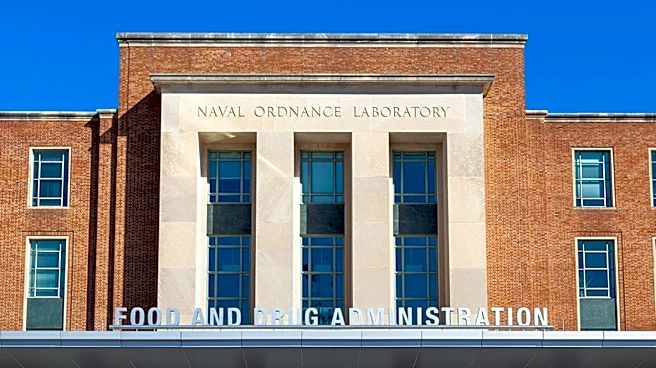
period. This expansion is primarily fueled by several key factors, including ongoing clinical validation of microbiome-based treatments, significant regulatory progress, and continuous advancements in microbiome science. Additionally, there is a rising investment in various therapeutic approaches, such as live biotherapeutic products, defined bacterial consortia, and engineered microbial therapies. The field has seen notable developments, including the first clinical trial demonstrating promising results for microbiota transplants in treating food allergies, suggesting the potential for microbiome restoration to recalibrate immune responses. The U.S. Food and Drug Administration's approvals of Rebyota and VOWST have set important regulatory precedents for microbiome-based therapeutics, further encouraging market growth. Developers are now extending clinical programs into a wider range of indications, including inflammatory bowel disease, oncology, metabolic disorders, and neurological conditions.
Why It's Important?
The rapid growth of the microbiome therapeutics market holds significant implications for the U.S. healthcare industry and patient care. The development of targeted microbiome-based treatments offers new avenues for addressing conditions that currently have limited or suboptimal therapeutic options, such as recurrent Clostridioides difficile infection, where fecal microbiota transplantation-based therapies have shown high cure rates. This shift towards microbiome-centric medicine could lead to a paradigm shift in how various diseases are understood and treated, moving beyond traditional pharmaceutical approaches. Increased investment and regulatory clarity will likely accelerate research and development, fostering innovation within U.S. biotechnology and pharmaceutical sectors. Furthermore, the focus on personalized microbiome-based treatments, advanced diagnostics, and the integration of artificial intelligence in gut health research could lead to more effective and tailored interventions, potentially improving patient outcomes and reducing healthcare burdens. The expansion into diverse therapeutic areas like oncology and neurological conditions suggests a broad impact across multiple medical specialties, creating new market opportunities and potentially transforming treatment landscapes.
What's Next?
The microbiome therapeutics market is expected to continue its trajectory of innovation and expansion. Future developments will likely involve further clinical trials to validate the efficacy and safety of new microbiome-based therapies across a broader spectrum of diseases. The industry will focus on moving beyond donor-dependent products towards standardized bacterial consortia and precision-engineered therapies, aiming for greater manufacturing consistency, reduced variability, and stronger intellectual property protection. Regulatory bodies, including the FDA, will continue to play a crucial role in shaping the market by establishing clear guidelines and approval pathways for these novel treatments. Strategic partnerships between pharmaceutical companies, biotechnology developers, healthcare institutions, and academic research centers are anticipated to accelerate clinical development and broaden the range of addressable indications. The integration of advanced technologies such as single-cell genomics, transcriptomics, metagenomics, synthetic biology, and machine learning will further enhance the analysis of host-microbe interactions, leading to the development of more targeted therapeutic candidates. The ongoing research into the microbiome's role in various immune-mediated diseases suggests that new therapeutic applications will continue to emerge.
Beyond the Headlines
The rise of microbiome therapeutics extends beyond immediate medical applications, touching upon deeper scientific and ethical considerations. The ability to manipulate the gut microbiome to treat diseases raises fundamental questions about the definition of health and the role of microbial ecosystems in human biology. As personalized microbiome-based treatments become more prevalent, ethical discussions around donor screening, the long-term effects of microbial alterations, and equitable access to these advanced therapies will become increasingly important. The integration of artificial intelligence in microbiome research also presents opportunities and challenges, particularly concerning data privacy, algorithmic bias, and the interpretation of complex biological data. Furthermore, the success of microbiome therapies could influence public perception of health, potentially leading to a greater emphasis on gut health and dietary interventions as preventive measures. This shift could also spur innovation in related industries, such as functional foods and personalized nutrition, creating a more holistic approach to health and wellness. The ongoing exploration of the gut-brain axis and its implications for neurological disorders highlights the profound and interconnected nature of the human body and its microbial inhabitants.