









What's Happening?
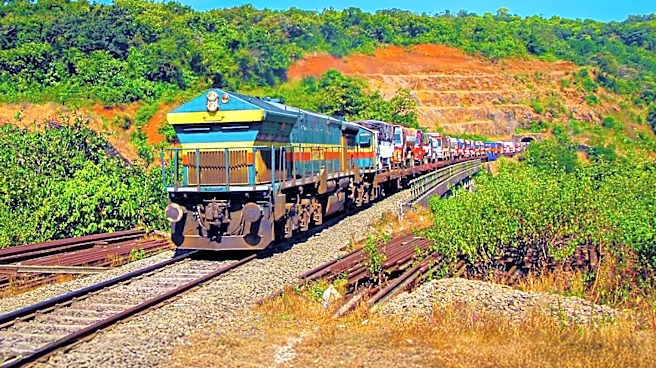
Mozambique is preparing to open parts of its national rail network to private operators. This initiative aims to expand freight services and attract more cargo, strengthening the country's position as a transit hub for neighboring landlocked nations.
State-owned Ports and Railways of Mozambique (CFM) is reportedly preparing tenders for private companies to operate selected sections of the network. The plan seeks to provide importers and exporters with more options for moving goods and to broaden the range of available freight services. While specific details regarding which rail sections will be offered, when bidding will commence, or how companies will be selected are yet to be announced, the move signifies a strategic shift in Mozambique's transportation policy. The country's rail network is crucial, with three major corridors connecting its ports to regional markets, facilitating trade for countries dependent on access to international shipping routes.
Why It's Important?
This development is significant for regional trade and economic integration in Southern Africa. By inviting private operators, Mozambique aims to enhance the efficiency and capacity of its rail system, which is vital for the economic lifelines of landlocked neighbors. Improved rail services could reduce reliance on more expensive and less efficient road freight, potentially lowering transportation costs for goods and boosting trade volumes. The plan also aligns with broader infrastructure investment goals, including a 14 billion metical ($219.1 million) program for 2025-2030 to upgrade rail infrastructure, add second tracks, and acquire new rolling stock. Success in this endeavor could position Mozambique as a more competitive and reliable transit corridor, attracting further foreign investment and fostering economic growth across the region. Conversely, if not managed effectively, issues such as high costs, unreliable service, and coordination challenges between CFM and private operators could hinder the desired outcomes.
What's Next?
CFM is expected to announce further details regarding the tendering process, including the specific rail sections available for private operation, the timeline for bidding, and the selection criteria for concessionaires. The government will need to carefully structure contracts to define responsibilities, access rights, investment requirements, and operational rules for private companies. Stakeholders, including the Confederation of Economic Associations of Mozambique, will be closely watching to see if these changes lead to more reliable schedules, sufficient locomotives and freight cars, and competitive rates. The success of this initiative will also depend on effective integration with port operations, customs procedures, and road transportation to create a seamless logistics chain. Continued infrastructure upgrades, such as the Maputo corridor improvements, will run concurrently with the privatization efforts to maximize the network's capacity.
Beyond the Headlines
The move to privatize parts of Mozambique's rail network reflects a broader trend in developing economies to leverage private sector expertise and capital for infrastructure development. This strategy often aims to overcome public funding limitations and improve operational efficiencies. However, it also raises questions about regulatory oversight, equitable access, and potential impacts on state-owned enterprises and their employees. The ethical implications of balancing profit motives with public service obligations will be a key consideration. Furthermore, the long-term success of this initiative could serve as a model for other African nations seeking to modernize their transportation infrastructure and enhance regional trade connectivity. The ability to attract and retain private investment will hinge on Mozambique's commitment to a transparent and stable regulatory environment, ensuring that the benefits of increased freight capacity are realized across the supply chain.