
What's Happening?
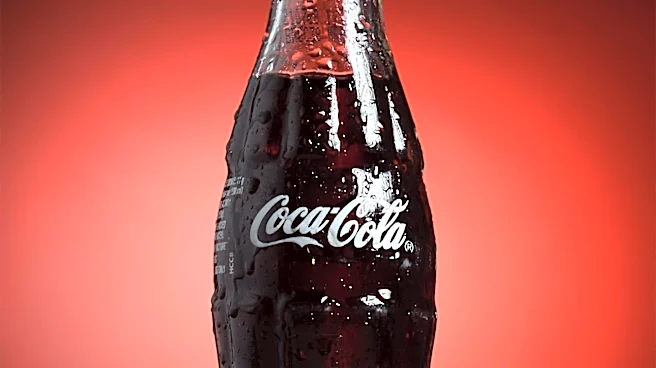
The Coca-Cola Company is facing a proposed class action lawsuit alleging that it disregards California consumers' online privacy preferences. The lawsuit claims that despite offering website visitors a cookie
banner to control tracking, Coca-Cola allows third-party tracking technologies, including those from Meta, Google, TikTok, and Microsoft, to collect and transmit user data without consent. This is said to occur even after users decline or reject non-necessary tracking cookies. The complaint asserts that Coca-Cola's websites, which include brands like Fanta, Sprite, Powerade, and Diet Coke, are designed with third-party programming scripts that place cookies or other tracking technologies on users' browsers or devices. The lawsuit, filed on November 6, 2026, alleges that Coca-Cola has misled users about their control over privacy preferences, falsely representing that users could browse without being tracked by third-party data brokers and advertisers.
Why It's Important?
This lawsuit highlights growing concerns over digital privacy and the effectiveness of cookie consent mechanisms, particularly in California, which has stringent privacy laws like the California Invasion of Privacy Act. If successful, the case could set a precedent for how companies manage user data and cookie preferences, potentially forcing a re-evaluation of website tracking practices across various industries. For consumers, it underscores the ongoing challenge of maintaining online privacy, even when actively attempting to opt out of data collection. For businesses, it emphasizes the legal and reputational risks associated with perceived non-compliance with privacy regulations and user expectations regarding data control. The outcome could influence the design of future cookie consent banners and the transparency of third-party data sharing practices.
What's Next?
The class action lawsuit, Miles, et al. v. The Coca-Cola Company, is currently in its early stages, having been filed on November 6, 2026. The legal proceedings will likely involve discovery, where both sides gather evidence, and potentially motions to dismiss or for summary judgment. Coca-Cola will need to respond to the allegations, either by defending its current practices or by demonstrating changes to its cookie management systems. The lawsuit seeks to cover all individuals who browsed any of Coca-Cola's websites in California after adjusting their cookie consent banners to decline or reject advertising, analytics, and personalization cookies. The resolution of this case could lead to significant financial penalties for Coca-Cola and may necessitate a comprehensive overhaul of its online data collection and privacy policies.
Beyond the Headlines
This lawsuit touches upon the broader ethical implications of data collection in the digital age. It raises questions about the true meaning of user consent when tracking continues despite explicit opt-out choices. The case could contribute to a societal shift towards greater demand for data transparency and control, potentially influencing future legislative efforts beyond California. It also highlights the complex ecosystem of online advertising, where numerous third parties are involved in collecting and utilizing user data, often without direct user interaction or clear understanding. The outcome could impact the business models of companies reliant on targeted advertising and data analytics, pushing them towards more privacy-centric approaches and potentially fostering innovation in privacy-enhancing technologies.