







What's Happening?
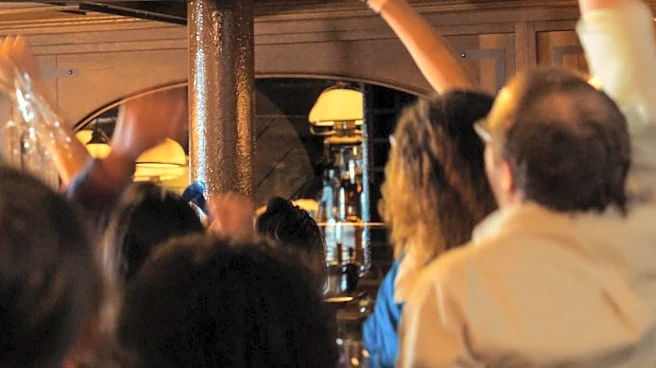
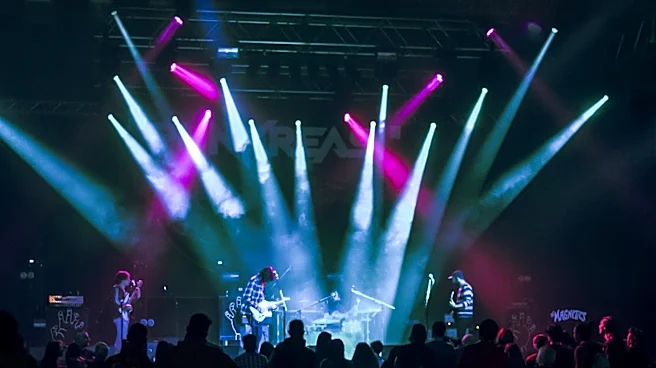
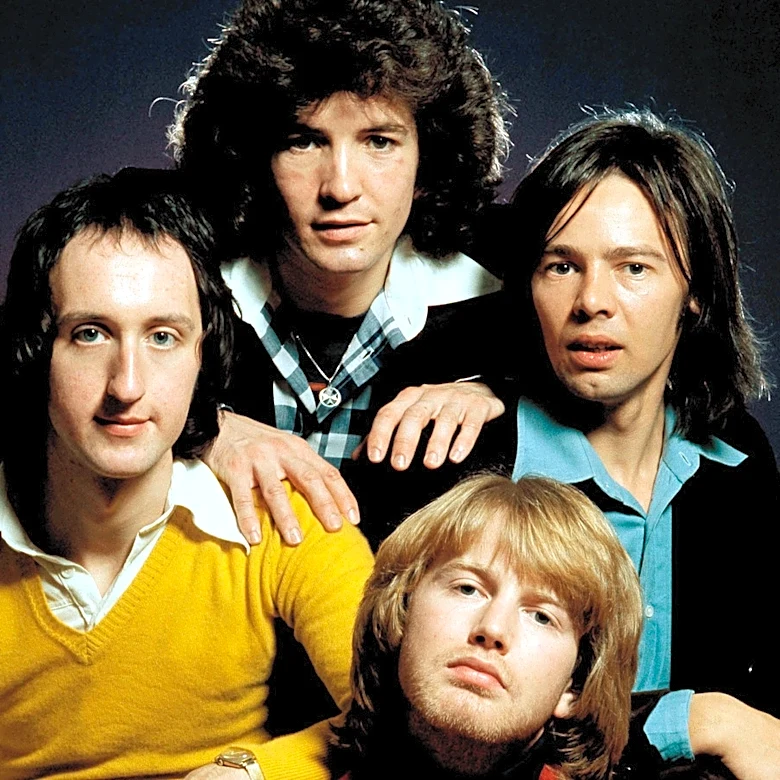
The Eastern Illinois University (EIU) alumni band, Shadoobee, which originally formed in 1988, returned to campus for a homecoming performance. The band, founded by alums Rick King and Chris Schaff, played live during the “Billy’s Backyard” tailgate at O’Brien
Field. King and Schaff were previously part of another local band called Private Mission before forming Shadoobee. Evan Mahan and guitarist Peter Hopkins later joined the group. The band gained popularity by performing at campus events and local bars, with Roc’s Tavern being a frequent venue where they could attract hundreds of attendees. Their performances were known for combining music with comedy, often incorporating skits and props. Mahan noted that their shows were approximately 70% music and 30% comedy, utilizing items like a dryer for costume changes and a microwave for audience food. The band also distinguished itself by including horn players from the EIU band, adding a unique element to their sound, which covered a broad range from blues to classic rock and television show themes. The group last performed at EIU in 1992, but has been playing together again for about ten years, primarily for friends.
Why It's Important?
The return of Shadoobee for EIU's homecoming highlights the enduring connection between alumni and their alma mater, fostering a sense of community and tradition. For the university, such events can strengthen alumni engagement, potentially leading to increased support for the institution through donations or mentorship programs. The band's history, marked by its blend of music and comedy, showcases the vibrant cultural scene that can develop within a university environment and the lasting impact it can have on individuals. Several band members, including Mark Diffenderfer and Rick King, went on to have successful careers in music, touring with notable blues musicians like Otis Rush, Buddy Guy, Bo Diddley, and B.B. King. This demonstrates how collegiate experiences and connections can serve as a launchpad for professional careers, even in creative fields. The event also provides current students and faculty with a tangible link to the university's past, enriching the campus experience and celebrating its heritage.
What's Next?
The band members have expressed a desire to perform more EIU shows in the future and are open to other Eastern-related performances. This indicates a potential for continued engagement between the alumni band and the university, which could become a recurring feature of future homecoming events or other campus celebrations. The initiative to bring the band back to campus stemmed from discussions between Director of Donor & Constituent Engagement Ke’an Armstrong and Shadoobee guitarist Chris Taylor, suggesting that the university's engagement office may continue to facilitate such alumni-led events. The band currently plays a show every few months, with the lineup adjusting based on member availability, primarily serving as a gathering point for a core group of friends. Future performances could further solidify this tradition, potentially attracting a wider audience and strengthening the bond between EIU alumni and the current university community.
Beyond the Headlines
The story of Shadoobee's return goes beyond a simple homecoming performance, touching upon the broader themes of nostalgia, community, and the lasting influence of collegiate experiences. The band's unique approach, combining musical talent with comedic skits, reflects a creative spirit that often thrives in university settings, where experimentation and collaboration are encouraged. The fact that several members went on to achieve professional success in the music industry underscores the role of higher education institutions in nurturing talent and providing foundational experiences. The reunion also highlights the power of shared history and friendship, as the band's current performances primarily serve as a 'touchstone' for their friends to reconnect. This demonstrates the social and emotional value of alumni networks, which extend far beyond professional networking to include personal bonds and shared cultural heritage. The event serves as a reminder that universities are not just academic centers but also incubators for lifelong connections and creative endeavors.