



What's Happening?
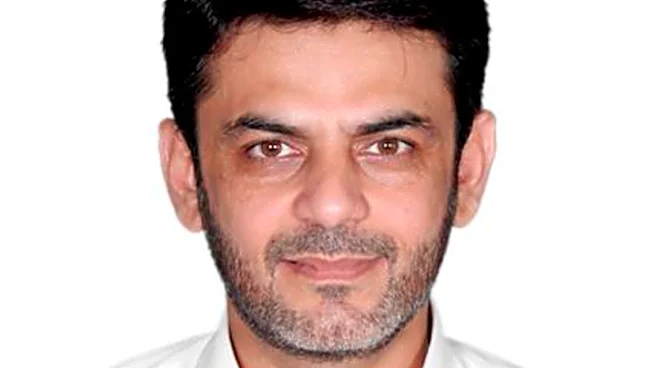
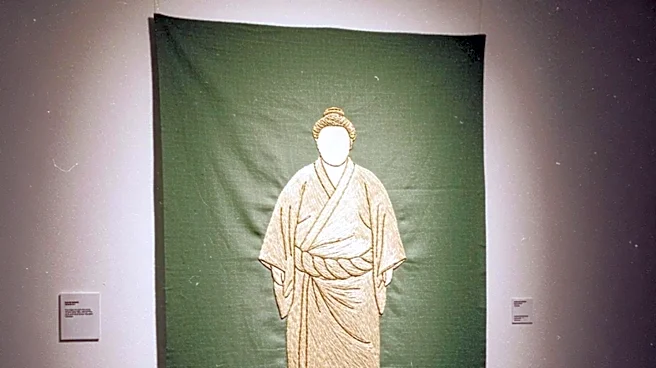
Contemporary miniature painter Shiblee Muneer's exhibition, 'The Allegory of an Image,' has opened at Sanat Initiative. Muneer's work delves into the philosophy of image-making through collage and mixed visual techniques, including elements of mosaic.
He aims to symbolically represent how artists combine fragments of different realities to form a single image, emphasizing that an image is not merely a visual object but a social phenomenon with multiple layers of meaning. Muneer's art is deeply influenced by the Mughal miniature tradition, a heritage passed down through his family, whose ancestors served in Mughal and Sikh courts. He notes that Mughal imagery reflects a period where artistic expression thrived under royal patronage, a dynamic he believes persists in contemporary society, albeit in altered forms. Muneer, a graduate of Beaconhouse National University, has exhibited internationally and received the Nigah Art Award for Best Contemporary Painter of Pakistan in 2023.
Why It's Important?
This exhibition is important as it offers a contemporary perspective on the enduring relationship between art, power, and patronage, a theme Muneer argues remains relevant despite societal changes. By drawing on the rich Mughal miniature tradition, Muneer connects historical artistic practices with modern interpretations, highlighting the continuous evolution of visual language and its social impact. His exploration of image-making as a construction from diverse ideas and techniques encourages viewers to consider the multifaceted nature of art and its role in reflecting and shaping reality. The international recognition Muneer has received, including fellowships and awards, underscores the global relevance of his artistic inquiry and contributes to the broader discourse on art's function in society.
What's Next?
Muneer's exhibition will continue to engage audiences with its conceptual exploration of image-making. The themes presented, such as the interplay of history, society, politics, and visual representation, are likely to spark further discussions among art enthusiasts, critics, and the general public. His ongoing work, which includes international exhibitions and research into Persian manuscript traditions, suggests a continued trajectory of artistic development and global engagement. The exhibition's focus on identifying art rather than solely creating it may influence how emerging artists and art institutions approach curation and interpretation, fostering a deeper appreciation for the contextual and social dimensions of artistic expression.
Beyond the Headlines
Muneer's assertion that 'We do not make art. We identify art' challenges conventional notions of artistic creation, suggesting a more interpretive and collaborative role for artists and viewers alike. This perspective implies that art is inherent in everyday life and various subjects, requiring recognition and interpretation by society, patrons, and curators. This philosophical stance could lead to a re-evaluation of what constitutes art and how it is valued, potentially broadening the scope of artistic practice to include acts of observation and contextualization. The blending of traditional Mughal techniques with contemporary collage and mosaic elements also highlights a cultural synthesis, demonstrating how historical legacies can inform and enrich modern artistic expressions, fostering a dialogue between past and present.