




What's Happening?
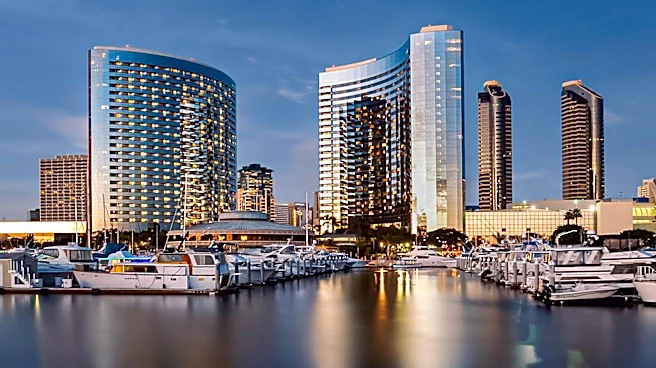
Congressman Scott Peters is currently leading a trade mission to Japan, organized by World Trade Center San Diego. The delegation, which includes San Diego Mayor Todd Gloria, aims to strengthen economic relationships and foster industrial collaborations
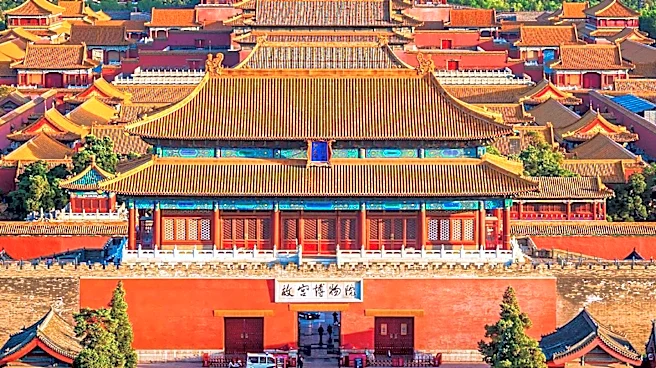
between San Diego and Japan. Key areas of focus for these partnerships include defense, maritime industries, semiconductor technology, and fusion energy. The mission's initial day involved a briefing with Mayor Gloria, Congressman Peters, and World Trade Center San Diego executive director Nikia Clarke, Ph.D., setting the stage for upcoming engagements. The delegation also visited the City of Yokohama, where Mayor Gloria addressed the city council, marking the first appearance by a seated San Diego Mayor in over 40 years, celebrating a nearly seven-decade-long sister city relationship. Further visits included KYOCERA Global, a Japanese company with manufacturing investments in San Diego and Tijuana, and a 'hard tech' accelerator hosted by Mitsubishi Heavy Industries in Yokohama, focusing on robotics and unmanned systems.
Why It's Important?
This trade mission is crucial for enhancing San Diego's economic prosperity and contributing to U.S. national security. By forging stronger ties with Japan in critical sectors like defense and semiconductors, the initiative aims to create new opportunities for San Diego businesses, attract foreign investment, and promote technological innovation. The collaboration in defense and maritime industries can bolster strategic alliances in the Indo-Pacific region, which is vital for U.S. geopolitical interests. Furthermore, advancements in semiconductor technology and fusion energy, driven by these partnerships, could position San Diego and the U.S. at the forefront of future industries, reducing reliance on other nations for essential components and energy solutions. The historical sister city relationship with Yokohama, highlighted by Mayor Gloria's address, underscores the long-standing cultural and economic bonds that this mission seeks to deepen, potentially leading to more stable and mutually beneficial trade agreements and research collaborations.
What's Next?
The trade mission is expected to continue with further meetings and engagements with Japanese business, academic, and government leaders. These interactions are anticipated to result in concrete agreements, memorandums of understanding, and collaborative projects in the identified key sectors. Following the mission, the World Trade Center San Diego and local government officials will likely work to implement the partnerships established, facilitating investment, technology transfer, and joint ventures. The insights gained from visiting advanced facilities like KYOCERA Global and Mitsubishi Heavy Industries' accelerator could also inform future policy decisions and investment strategies in San Diego to foster local innovation and economic growth. Continued dialogue and follow-up missions are probable to ensure the sustained development of these international relationships and the realization of their full economic and strategic potential.
Beyond the Headlines
Beyond the immediate economic and security benefits, this mission signifies a broader strategic alignment between the U.S. and Japan, particularly at a sub-national level. The focus on advanced technologies like semiconductors and fusion energy reflects a global shift towards securing supply chains and investing in future-proof industries. This collaboration can serve as a model for other U.S. cities and states seeking to strengthen international partnerships in an increasingly interconnected world. The emphasis on 'hard tech' accelerators and startup engagement also highlights a commitment to fostering innovation and entrepreneurship, which can have long-term societal impacts by creating high-skilled jobs and addressing global challenges through technological solutions. The mission also subtly reinforces the importance of diplomatic engagement and cultural exchange in building robust international relations, demonstrating that economic diplomacy extends beyond federal governments to local and regional entities.