


What's Happening?
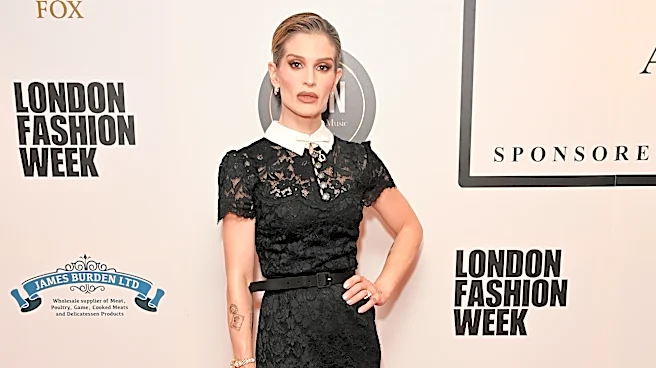
Kelly Osbourne has openly discussed her struggles with weight and the subsequent body-shaming she experienced following the death of her father, Ozzy Osbourne. In an interview with The Telegraph, published Saturday, Osbourne described her grief as taking
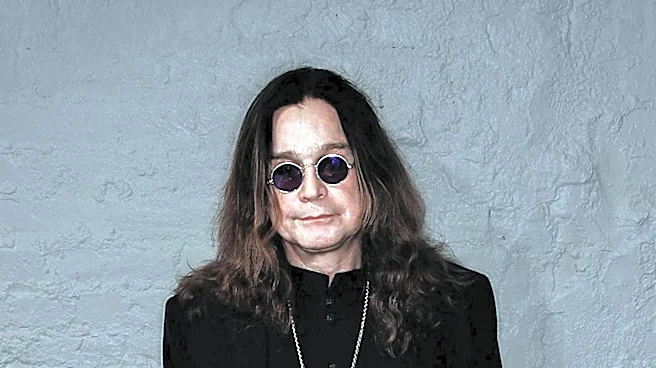
her to a place 'even drugs and alcohol never took me to.' She clarified that her weight loss was not intentional, stating, 'It wasn’t like I was purposefully not eating. I just physically didn’t know how to do anything for myself.' Osbourne recounted the 'cruel' criticism she faced, particularly after her appearances at the Grammy Awards and BRIT Awards earlier this year. She expressed feeling 'dead inside' during this period, unable to comprehend the severity of her own condition until she saw a photograph of herself at a Grammy fitting, realizing, 'That’s not me — that is not me!' Her father, Ozzy Osbourne, passed away on July 22, 2025, at the age of 76, after a prolonged battle with Parkinson’s disease.
Why It's Important?
Kelly Osbourne's candid revelations shed light on the profound impact of grief on an individual's physical and mental well-being, and the added burden of public scrutiny. Her experience highlights the pervasive issue of body-shaming, particularly within the public eye, and how it can exacerbate an already vulnerable state. This situation underscores the lack of empathy often displayed in public discourse, where individuals are judged on appearance without consideration for underlying personal struggles. It also brings attention to the unrealistic beauty standards prevalent in society and the entertainment industry, which can lead to severe psychological distress. Osbourne's story serves as a powerful reminder of the importance of compassion and understanding, especially when public figures are navigating personal tragedies. Her willingness to share her vulnerability could encourage a more supportive dialogue around grief, mental health, and body image.
What's Next?
Following this interview, Kelly Osbourne's continued advocacy for mental health and body positivity may gain further traction. Her public statements could inspire others facing similar challenges to seek support and speak out against body-shaming. The entertainment industry and media outlets might face increased pressure to re-evaluate their coverage and commentary on public figures' appearances, particularly during sensitive times. This discussion could also contribute to broader conversations about the ethics of celebrity journalism and the responsibility of social media users in fostering a more compassionate online environment. Ultimately, Osbourne's experience may serve as a catalyst for greater awareness and a push towards more empathetic interactions within both public and private spheres.
Beyond the Headlines
Kelly Osbourne's narrative delves into the complex interplay between personal tragedy, public image, and societal expectations. Beyond the immediate impact of body-shaming, her story touches upon the unique pressures faced by individuals growing up in the public eye, where every aspect of their lives is subject to intense scrutiny. The 'cruelty' she describes reflects a broader cultural issue where empathy is often overshadowed by judgment, particularly concerning physical appearance. This incident also highlights the double-edged sword of social media, which can be a platform for both support and severe criticism. Her struggle to recognize herself in photographs, even as she was experiencing profound grief, speaks to the dissociative effects of trauma and the distorted self-perception that can arise under extreme stress. This situation underscores the need for a more nuanced understanding of mental health and body image, moving beyond superficial judgments to acknowledge the deeper human experiences at play.