



What's Happening?
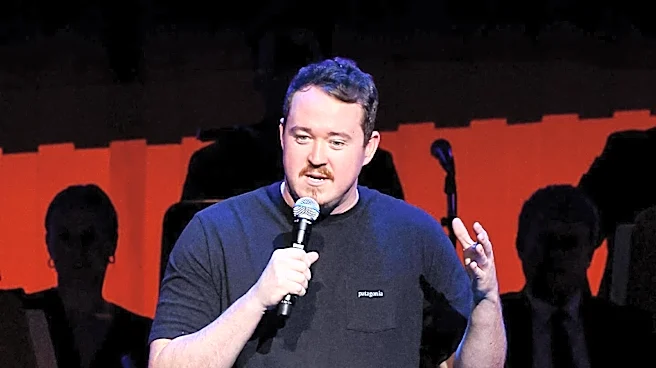
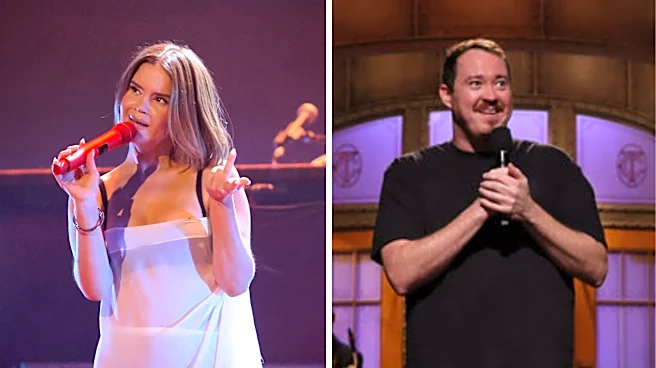
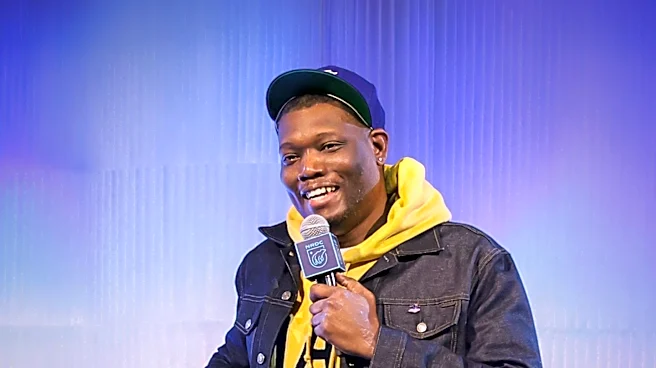
Michael Che, co-anchor of 'Weekend Update' on Saturday Night Live, has publicly commented on the controversial monologue delivered by host Shane Gillis on the October 10th episode. Gillis's remarks about women's attire at the gym drew significant backlash.
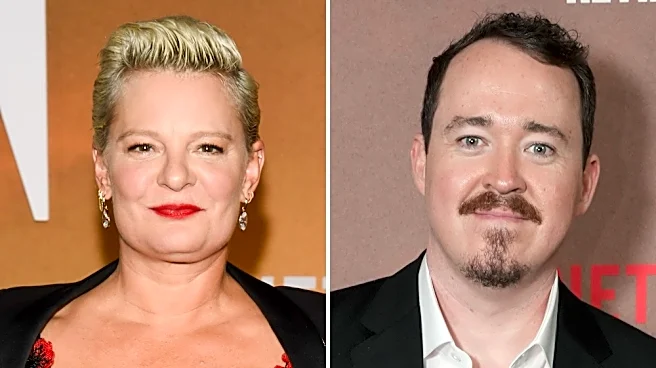
When questioned on the 'Today' show, Che stated, 'That’s comedy. It’s like, you think it’s funny and some people don’t.' He also mentioned that he did not witness the joke live, as he was preparing for his own segment. Che, who has faced controversy for his own jokes in the past, expressed a reluctance to criticize other comedians for 'swinging and missing.' Celebrities like Dan Levy and former SNL cast member Ego Nwodim have also reacted to Gillis's comments, with Levy criticizing the joke as misogynistic and Nwodim posting a satirical response.
Why It's Important?
This incident highlights ongoing debates within the comedy world and broader society regarding the boundaries of humor, particularly concerning gender and public discourse. Michael Che's response, emphasizing the subjective nature of comedy, reflects a common stance among comedians but also underscores the tension between artistic freedom and social responsibility. The backlash from public figures like Dan Levy and Ego Nwodim indicates a growing intolerance for jokes perceived as misogynistic or harmful, suggesting a shift in audience expectations and what is deemed acceptable on national television. This event could influence how comedians approach sensitive topics and how networks vet content, potentially leading to more cautious comedic material or more robust discussions about comedic intent versus impact.
What's Next?
The discussion surrounding Shane Gillis's monologue and Michael Che's comments is likely to continue within entertainment circles and on social media. Comedians and audiences may further debate the role of offense in comedy and the responsibilities of performers on major platforms like SNL. This incident could prompt internal discussions at NBC and SNL about content guidelines and the vetting process for hosts and their material. Future SNL monologues and sketches might be scrutinized more closely for potentially controversial content. The broader conversation about 'cancel culture' versus accountability in comedy will likely persist, with this event serving as another case study in the ongoing evolution of comedic standards and audience reception.
Beyond the Headlines
Beyond the immediate controversy, this event touches upon deeper cultural shifts regarding gender dynamics and public speech. Gillis's joke and the subsequent reactions reflect a societal reckoning with misogyny and the objectification of women, even within comedic contexts. The differing opinions on whether the joke was merely 'comedy' or genuinely harmful illustrate a divide in how humor is perceived and its potential impact. This incident also raises questions about the role of established comedic institutions like SNL in shaping public discourse and whether they have a responsibility to challenge or reinforce societal norms. The ongoing dialogue underscores the power of comedy not just as entertainment, but as a reflection and sometimes a driver of cultural values and social change.