







What's Happening?
In Manhattan, the process and timeline for foreclosure or lease termination vary significantly depending on whether the property is a co-op, condo, or townhouse. For co-op shares, which are considered personal property, lenders can sell shares at auction
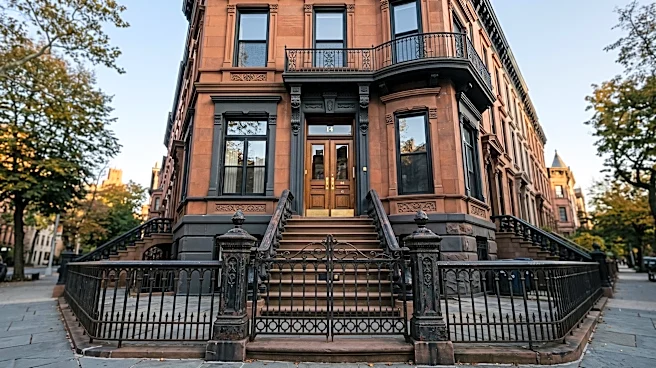
without a court case under Article 9 of the Uniform Commercial Code. This non-judicial process requires a 90-day notice period before disposal. In contrast, owners of condos, brownstones, or townhouses, which are considered real property, face a judicial foreclosure process filed in the New York County Supreme Court. This process is typically much slower, often taking over a year, and includes a mandatory settlement conference where the owner and lender are required to negotiate in good faith. If the issue is with a co-op board due to unpaid maintenance, it's a lease cancellation rather than a foreclosure, leading to Housing Court proceedings or a public auction of shares. Owners often misinterpret which legal proceeding they are facing, leading to incorrect assumptions about their available time.
Why It's Important?
The distinction in foreclosure processes has critical implications for Manhattan property owners facing financial distress. Co-op owners, who constitute a significant portion of Manhattan's housing market, have a much shorter window—typically 90 days—to resolve their situation or sell their property before an auction. This compressed timeline can force quick decisions and potentially lower sale prices. Conversely, condo and townhouse owners benefit from a more extended judicial process, often exceeding a year, which provides more time for negotiation, refinancing, or finding a buyer at a fair market value. Misunderstanding these timelines can lead to significant financial losses, as owners might sell prematurely in a judicial case or miss critical deadlines in a co-op share auction. This highlights the necessity for owners to accurately identify the specific legal proceeding against them to make informed decisions and protect their assets.
What's Next?
Property owners in Manhattan facing default or arrears are advised to immediately identify the specific legal proceeding initiated against them by carefully reviewing official notices for legal citations or index numbers. This initial step determines the applicable laws, the relevant courthouse, and the critical deadlines. Depending on the type of property and the nature of the default, owners may need to prepare for a rapid sale in the case of co-op share auctions or engage in good-faith negotiations during mandatory settlement conferences for judicial foreclosures. Seeking professional advice to understand the specific timeline and options available is crucial. The market for cash buyers can be a viable option for those with short deadlines, but it may not be the most financially advantageous for owners with more time and equity.
Beyond the Headlines
The varying legal frameworks for property ownership in Manhattan—co-ops as personal property versus condos/townhouses as real property—reveal a deeper complexity in U.S. property law, particularly in unique markets like New York City. This distinction not only affects foreclosure timelines but also influences financing options, tax implications, and the overall rights and responsibilities of property owners. The legislative addition of a 90-day notice period for co-op interests after the foreclosure crisis underscores a recognition of the need for greater safeguards for co-op owners, who historically lacked the protections afforded to traditional homeowners. This ongoing evolution of legal protections reflects a continuous effort to balance creditor rights with homeowner stability, particularly in high-value, high-density urban environments where property types and ownership structures are diverse.