




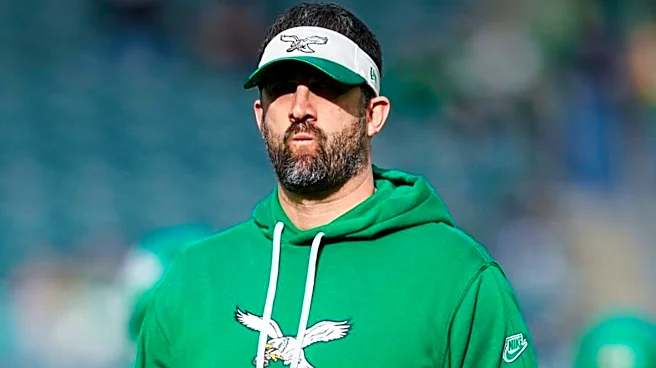
What's Happening?
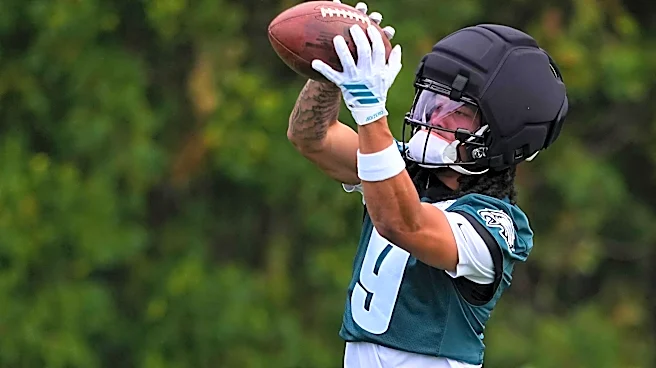
The Philadelphia Eagles have waived wide receiver Johnny Wilson with an injury designation. Wilson, 25, had previously missed the entire last season due to ankle and knee injuries sustained during training camp. He recently experienced another setback
with a knee injury this summer, which sidelined him again. If Wilson clears waivers, he will be placed on the Eagles’ Injured Reserve list. Wilson was a sixth-round draft pick out of Florida State in the 2024 draft. In his rookie season, he played in 16 games, starting four, and recorded five receptions. He was recognized for his blocking abilities. In addition to waiving Wilson, the Eagles made other roster adjustments, signing center Zeke Correll and wide receiver Brandon Hayes. They also placed cornerback Tariq Castro-Fields on Injured Reserve. Hayes had previously been with the Eagles during an earlier training camp, while Correll, a former undrafted free agent with the Vikings, spent his rookie season on IR with an ankle injury before being waived by Minnesota in March.
Why It's Important?
These roster moves by the Philadelphia Eagles are significant for several reasons, primarily impacting the team's depth and strategic planning for the upcoming season. The waiving of Johnny Wilson, especially with an injury designation, highlights the precarious nature of professional sports careers, where recurring injuries can derail promising talents. For the Eagles, this decision frees up a roster spot and potentially allows them to evaluate other receivers who are vying for a place on the team, such as Darius Cooper and Elijah Moore. The signing of Zeke Correll and Brandon Hayes indicates the team's efforts to bolster specific positions, particularly the offensive line and wide receiver corps, which are crucial for both offensive performance and injury contingency. Placing Tariq Castro-Fields on Injured Reserve further underscores the ongoing challenge of managing player health and maintaining a competitive roster. These adjustments are critical as teams finalize their lineups and prepare for the rigors of the NFL season, influencing team dynamics, play-calling options, and overall competitive strength.
What's Next?
Following these roster changes, the immediate next step for Johnny Wilson will be to clear waivers. If he does, he will revert to the Philadelphia Eagles' Injured Reserve list, meaning he will not be eligible to play for the team this season but will remain under contract while he rehabilitates. For the Eagles, the focus will shift to integrating the newly signed players, Zeke Correll and Brandon Hayes, into their system and evaluating their performance during the remainder of training camp and preseason. This period will be crucial for these players to demonstrate their value and secure a spot on the final roster. The team will also continue to monitor the recovery of Tariq Castro-Fields, who is now on Injured Reserve. These moves are part of the ongoing process for NFL teams to optimize their roster ahead of the regular season, with further evaluations and potential adjustments expected as the season approaches. Other wide receivers on the roster will likely see increased opportunities to prove themselves in Wilson's absence.
Beyond the Headlines
Beyond the immediate roster implications, the Eagles' decision to waive Johnny Wilson due to injury reflects a broader trend in professional sports regarding player health and team management. The repeated injuries Wilson sustained underscore the immense physical toll professional football takes on athletes and the difficult choices teams must make when balancing potential talent against persistent health concerns. This situation also highlights the competitive environment within NFL rosters, where even draft picks face intense pressure to perform and stay healthy. For players like Wilson, navigating the recovery process and potentially returning to the league after significant injuries presents a formidable challenge, often requiring immense resilience and dedication. From a team perspective, these decisions are not merely about individual players but about maintaining a healthy, effective, and financially viable roster, which involves complex considerations of player contracts, salary cap implications, and long-term team strategy. The continuous cycle of signing, waiving, and placing players on injured reserve is a testament to the dynamic and often unforgiving nature of professional sports.