




What's Happening?
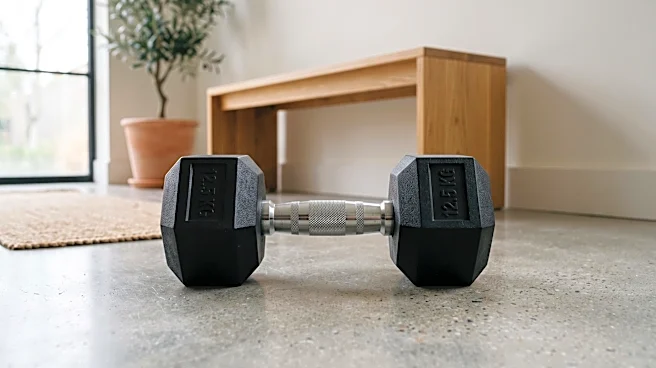
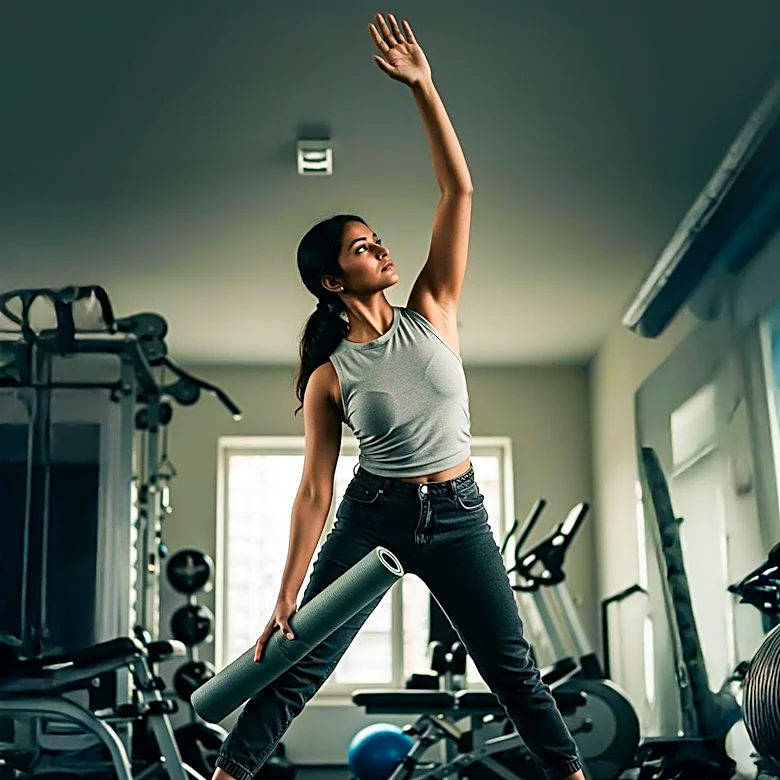
Fitness Blender has launched a new 20-minute low-impact cardio and core workout designed to energize participants without excessive exertion. The routine incorporates light weights, such as 3-5lb dumbbells or household items like soup cans, and focuses
on full-body movement and functional core work. The workout is structured in circuits, alternating between two cardio-focused movements and one core exercise. This design aims to provide a balanced blend of cardiovascular work, coordination, and core stability, moving the body in multiple directions including forward, backward, side-to-side, and through gentle rotation. The intensity is described as steady and moderate, building a light sweat and boosting energy. The program emphasizes feeling refreshed and accomplished rather than exhausted, with ample rest periods between work intervals. The workout is rated a level 3 out of 5 in difficulty but can be scaled down to a level 2 by removing weights, allowing for customization based on individual fitness levels and goals. The community aspect of Fitness Blender is also highlighted, with discussions about accountability groups and daily check-ins.
Why It's Important?
This new workout from Fitness Blender is significant for individuals seeking effective fitness routines that minimize joint stress and high-impact movements. The low-impact nature makes it accessible to a broader audience, including those recovering from injuries, beginners, or individuals preferring gentler exercise. By integrating light weights, the program offers a way to elevate heart rate and build strength without relying on jumping or intense cardio, which can be a barrier for some. The focus on functional core work is crucial for overall stability, posture, and injury prevention, benefiting daily activities beyond just exercise. The structured circuit format ensures a comprehensive workout that targets multiple muscle groups and cardiovascular health efficiently within a short timeframe. Furthermore, the emphasis on feeling refreshed rather than depleted can encourage greater consistency in exercise habits, as it promotes a positive association with physical activity. The community engagement mentioned also underscores the importance of social support in maintaining fitness goals.
What's Next?
Participants can immediately access this new workout through the Fitness Blender platform, utilizing the provided video and instructions. Individuals are encouraged to gather light weights or suitable household alternatives and a mat if desired. The workout's adaptable nature means users can adjust the intensity by adding or removing weights, or modifying the range of motion, to suit their current fitness level. The ongoing community discussions and daily check-ins suggest that Fitness Blender will continue to foster an environment of support and motivation, potentially introducing more workouts with similar low-impact, functional approaches. Users can integrate this 20-minute routine into their weekly fitness schedules, either as a standalone session or as a complement to other activities. The platform's continuous release of diverse workout content indicates a commitment to providing varied options for its user base, catering to different preferences and fitness needs.
Beyond the Headlines
The introduction of this low-impact workout reflects a broader trend in the fitness industry towards more inclusive and sustainable exercise practices. As awareness grows about the importance of joint health and injury prevention, programs that offer effective results without high-impact stress are gaining popularity. This approach caters to an aging population, individuals with physical limitations, and those seeking a more mindful and less aggressive form of exercise. The use of light weights and household items also democratizes fitness, making it accessible to individuals who may not have access to a gym or specialized equipment. This shift highlights a move away from the 'no pain, no gain' mentality towards a more holistic view of well-being, where feeling good and maintaining long-term physical health are prioritized. The emphasis on functional movements also suggests a focus on practical strength that translates to improved quality of life and daily performance.