







What's Happening?
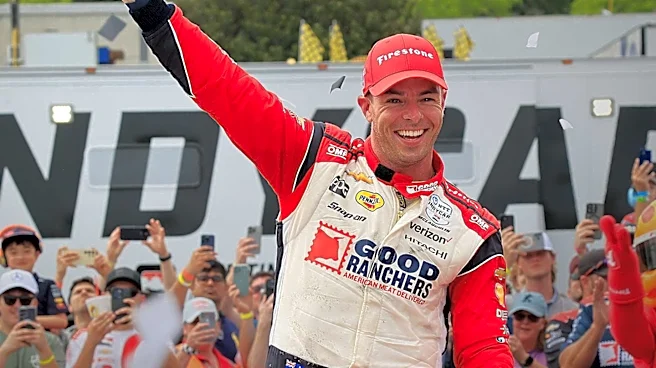
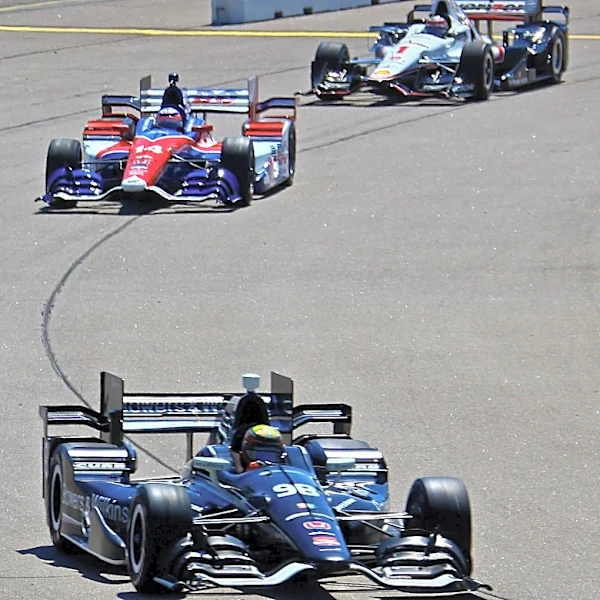
Marcus Armstrong, a New Zealand driver in the NTT IndyCar Series, has signed a multi-year contract extension with Meyer Shank Racing. This decision comes amidst a period of significant team changes and speculation within the series. Armstrong's commitment
to the Ohio-based team breaks the cycle of frequent team changes that have characterized the current IndyCar season. His decision is influenced by his satisfaction with the team's performance and potential, as well as his positive experiences over the past two years. Armstrong's strong performances have made him a subject of interest during the 'silly season' of driver changes, but he has chosen to remain with Meyer Shank Racing, citing the team's capability to win races and his contentment with the current setup.
Why It's Important?
Armstrong's decision to stay with Meyer Shank Racing is significant as it provides stability to the team amidst a turbulent period in the IndyCar driver market. His commitment suggests confidence in the team's potential to compete at a high level, which could influence other drivers and teams in the series. This move also highlights the importance of team dynamics and personal satisfaction in a driver's career decisions. For Meyer Shank Racing, retaining Armstrong is a strategic win, as his performances have been strong and he is seen as a key component in the team's future success. This stability could enhance the team's competitiveness and attract further talent and sponsorships.
What's Next?
Looking ahead, Meyer Shank Racing will need to finalize plans for its second driver, as Armstrong's current teammate, Felix Rosenqvist, is set to move to Arrow McLaren. The team is expected to announce a new teammate for Armstrong, who will ideally bring technical knowledge and experience, particularly at the Indianapolis Motor Speedway. Armstrong's continued development and the team's performance in upcoming races will be closely watched, as they aim to build on their current momentum and achieve race wins. The team's ability to maintain and enhance its competitive edge will be crucial in the evolving landscape of the IndyCar Series.