






What's Happening?
Lady Gaga has successfully defeated a lawsuit filed by Lost Surfboards, a company that claimed her album title 'Mayhem' infringed upon their trademark for 'Mayhem' surfboards. The lawsuit, initiated last year, alleged that consumers would mistakenly associate
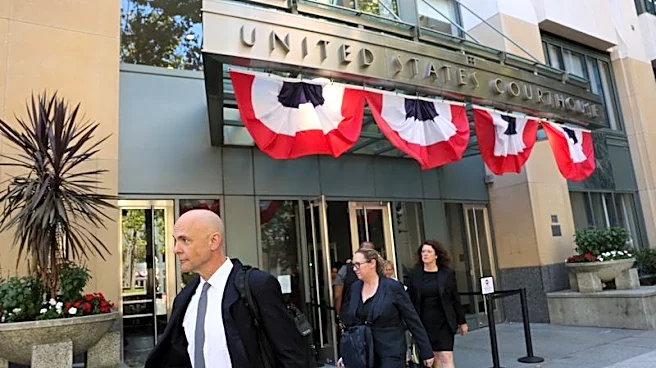
Lady Gaga's album with the surf company. However, Judge Fernando M. Olguin dismissed the case, ruling that the claim was too weak to proceed. The decision was based on the First Amendment, which protects the use of trademarks in expressive works like music, unless there is an intentional effort to deceive consumers. The judge stated that the allegations were insufficient to prove an explicit misstatement or indication that Lost Surfboards was the source of Lady Gaga's work. Lady Gaga's legal team had argued that the lawsuit was a transparent attempt to gain leverage and publicity from the use of a common dictionary word by a prominent artist.
Why It's Important?
This ruling is significant for the U.S. entertainment industry, particularly for artists and creators, as it reinforces the protections afforded by the First Amendment regarding the use of trademarks in expressive works. The decision, based on the 'Rogers test,' establishes a high bar for trademark infringement claims against creative content, ensuring that artists have broad freedom to choose titles and themes without undue legal burden from existing trademarks. This precedent helps prevent frivolous lawsuits that could stifle artistic expression and innovation. For businesses, especially those with established trademarks, it clarifies the limitations of their intellectual property rights when it comes to artistic and cultural products. It means that simply sharing a name with a creative work is not enough to claim infringement; there must be clear evidence of consumer confusion or an explicit misrepresentation of source. This balance between trademark protection and free speech is crucial for both the creative economy and consumer understanding.
What's Next?
Lost Surfboards has the option to appeal Judge Olguin's ruling to a federal appeals court. Should they choose to appeal, the case would continue to test the boundaries of trademark law and First Amendment protections in the context of artistic works. Regardless of an appeal, this decision is likely to be cited in future intellectual property disputes involving artists and trademark holders, further solidifying the legal framework for expressive works. For artists, this ruling provides greater confidence in their ability to use common words or concepts in their titles without immediate fear of trademark litigation, potentially encouraging more creative freedom. For trademark holders, it underscores the need for stronger evidence of consumer confusion or intentional misdirection when pursuing claims against artistic endeavors. The legal community will closely watch any further developments, as they could refine the interpretation of the 'Rogers test' and its application.
Beyond the Headlines
The Lady Gaga lawsuit highlights a recurring tension between intellectual property rights and artistic freedom. The 'Rogers test,' which was central to this ruling, is a critical legal tool that balances these competing interests, ensuring that trademark law does not become a censorship mechanism for creative expression. This case underscores the broader cultural value placed on free speech and artistic liberty in the U.S. It also brings to light the potential for trademark holders to attempt to capitalize on the fame of artists, even when their claims may be tenuous. The outcome serves as a reminder that while trademarks protect brands, they are not absolute and must be considered within the context of constitutional rights. This legal precedent contributes to a robust environment where artists can innovate and express themselves, while still acknowledging the legitimate rights of businesses to protect their brand identity, fostering a dynamic and creative cultural landscape.