



What's Happening?
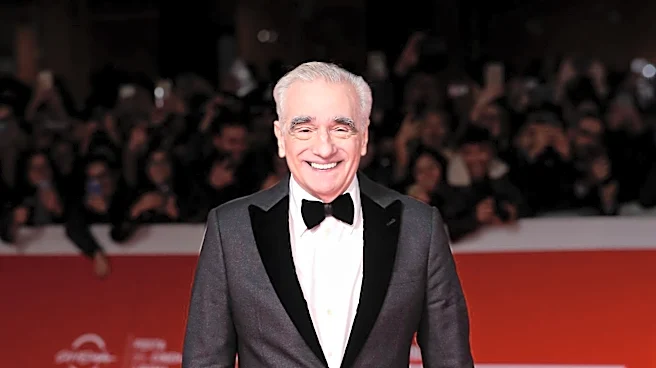
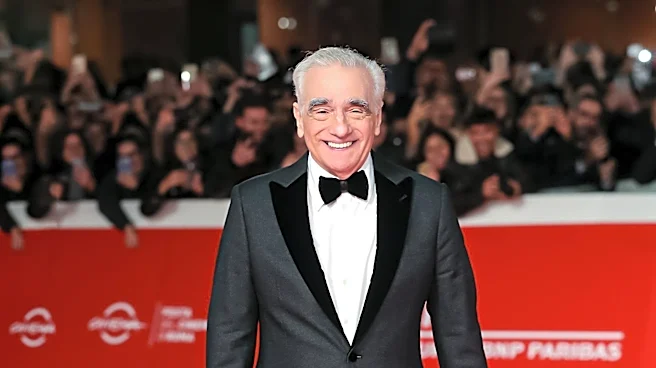
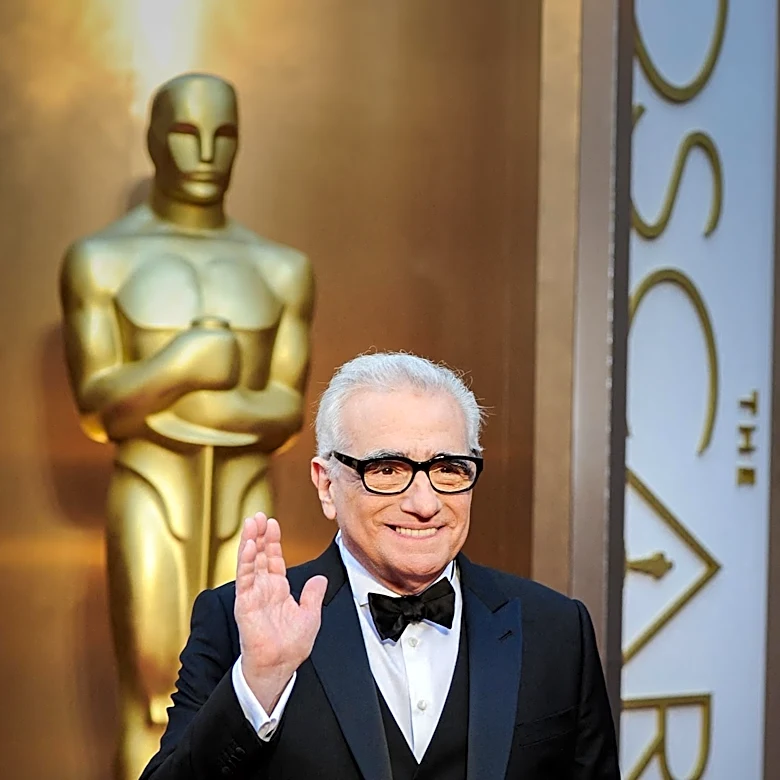
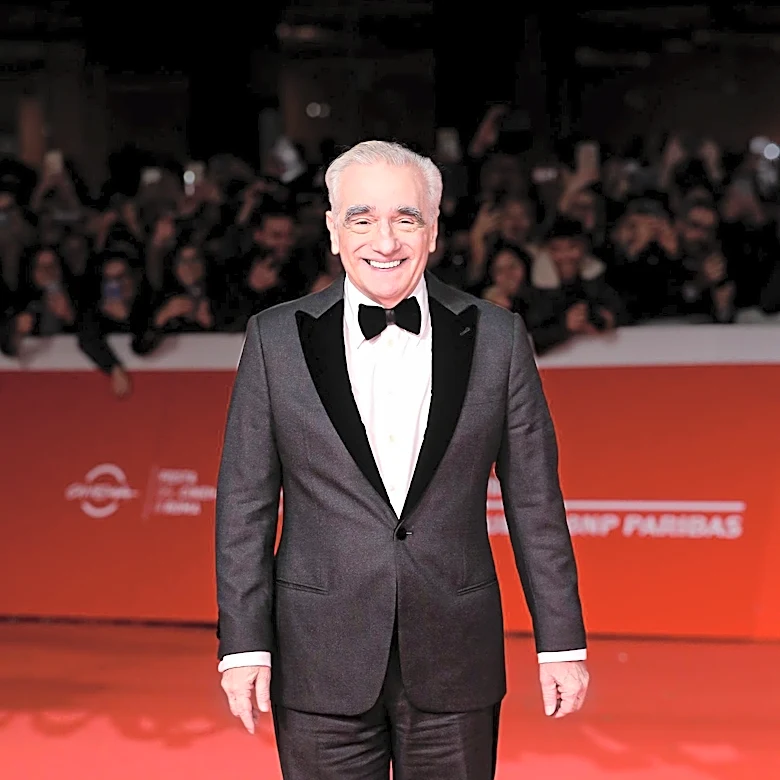
Acclaimed director Martin Scorsese has expressed regret over making his 2010 film 'Shutter Island,' starring Leonardo DiCaprio. In an interview with GQ, the 80-year-old filmmaker stated that he views 'Shutter Island' as 'the last studio film' he directed
and believes he should have instead focused on 'Silence' at that time. Scorsese, who had recently won an Oscar for 'The Departed,' felt that he did not follow his instinct. His regret stems not from the quality of 'Shutter Island,' which is widely appreciated by cinephiles, but from the precious time he spent on a project he now considers not essential to his core priorities, especially given his age and the finite amount of time he has left to make films. He emphasized his desire to dedicate his remaining energy to projects that are most meaningful to him.
Why It's Important?
Martin Scorsese's reflection on 'Shutter Island' highlights the critical decisions filmmakers face regarding their artistic legacy and the allocation of their creative time. For a director of his stature and age, every project becomes a significant choice, impacting his final body of work. This sentiment resonates within the film industry, particularly for established artists who often balance personal passion projects with studio demands. Scorsese's regret underscores the pressure to make commercially viable films, even when they might divert from a director's deeper artistic inclinations. It also brings to light the internal struggle between fulfilling contractual obligations or leveraging recent success for more personal endeavors, and the long-term implications of such choices on an artist's career trajectory and perceived artistic integrity.
What's Next?
Scorsese's comments suggest a renewed focus on projects that align more closely with his personal vision and thematic interests. This could mean fewer large-scale studio productions and more intimate, perhaps challenging, films like 'Silence' or his upcoming projects such as 'The Wager' or a film about Jesus. His statements might also influence other veteran directors to be more selective with their projects, prioritizing artistic fulfillment over commercial appeal as they near the end of their careers. For the audience, this could translate into a period of highly personal and impactful films from Scorsese, as he dedicates his remaining creative energy to what he deems most essential. It also encourages a re-evaluation of his filmography through the lens of his stated priorities.
Beyond the Headlines
Scorsese's regret over 'Shutter Island' delves into the existential concerns of an artist confronting mortality and the desire to leave a meaningful legacy. It's not merely about a film choice but about the profound realization that time is finite, and every creative act must count. This perspective offers a poignant insight into the pressures faced by artists to continuously produce, even when their deepest desires lie elsewhere. It also subtly critiques the studio system's influence on artistic output, where even an Oscar-winning director might feel compelled to make a film that, in retrospect, doesn't align with their ultimate artistic goals. This reflection invites a broader discussion on the value of artistic autonomy versus commercial compromise in the twilight of a prolific career.