


What's Happening?
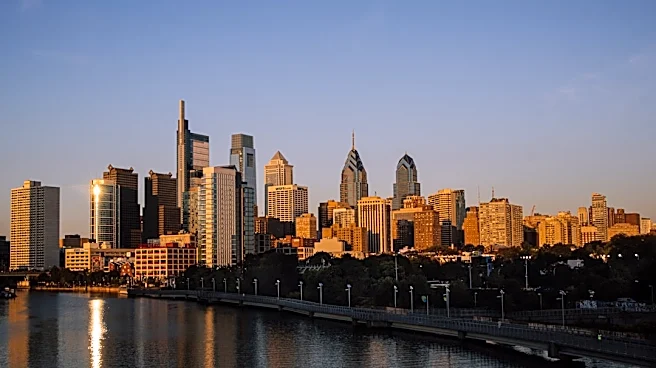
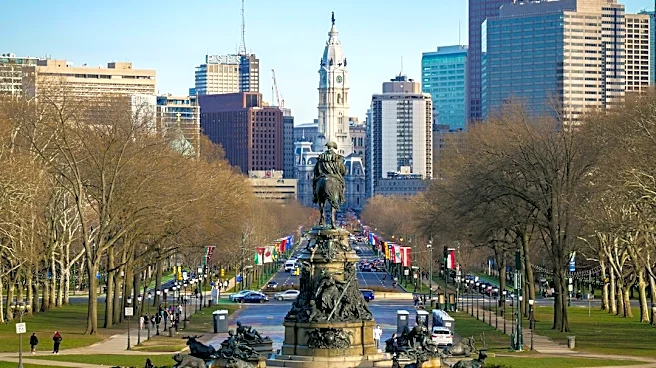
Philadelphia is experiencing a growing trend in 'analog' activities, focusing on physical media and technology-free engagement. Organizations like the Analog Lovers Club, founded by Olive Zoya, are creating spaces for individuals to connect through shared
interests such as vinyl and CD swaps, and Tiny Desk-inspired music sessions featuring local artists. Similarly, Philly Typewriter, co-owned by Bill Rhoda and Brian Kravitz, offers a space for people to use typewriters, fostering human interaction and a break from digital distractions. This movement is characterized by hands-on hobbies like puzzles, drawing, and listening to music on record players, aiming to build community and combat feelings of isolation in an increasingly digital world. The appeal extends to various age groups, with statistics indicating a rise in analog lifestyle choices and crafting projects among Americans, including Gen Z.
Why It's Important?
This resurgence of analog culture in Philadelphia highlights a broader societal shift towards seeking genuine human connection and a respite from constant digital engagement. The emphasis on physical media and technology-free spaces addresses concerns about the 'loneliness epidemic' and the pervasive nature of online interactions. For individuals, these activities offer a grounding experience, promoting mindfulness and direct social engagement. Economically, this trend could stimulate local businesses that cater to analog hobbies, such as record stores, craft shops, and specialized venues like Philly Typewriter. It also presents an interesting dynamic for marketers, as Professor Peter Fader of the Wharton School notes that while some embrace analog for novelty or social signaling, it doesn't necessarily mean abandoning digital technologies, but rather a desire for a 'change of pace.' This suggests a hybrid approach to consumption and leisure, where both digital and analog experiences coexist.
What's Next?
The future of the analog trend in Philadelphia, and more broadly, remains to be seen, with experts like Peter Fader questioning whether it will be a lasting movement or a temporary fad. However, the continued efforts of groups like the Analog Lovers Club and businesses like Philly Typewriter suggest a sustained interest in creating and maintaining these physical, community-oriented spaces. These organizations plan to continue hosting events and providing venues for people to engage with analog media and activities. The success of these initiatives could inspire similar movements in other cities, further integrating analog experiences into modern urban lifestyles. The ongoing challenge will be to balance the appeal of novelty and social signaling with the deeper desire for authentic connection, ensuring these spaces remain relevant and accessible to a diverse population.
Beyond the Headlines
The embrace of analog culture in Philadelphia touches upon deeper psychological and sociological implications. In an era dominated by instant gratification and curated online personas, analog activities offer a return to patience, tangibility, and unfiltered human interaction. The act of physically engaging with media, like placing a needle on a record or typing on a machine, provides a sensory experience that digital formats often lack. This movement can be seen as a form of digital detox, allowing individuals to step away from the pressures of constant connectivity and social media performance. Furthermore, the creation of 'third spaces'—neither home nor work—that are dedicated to analog pursuits fosters a sense of belonging and shared identity, which is crucial for mental well-being and community cohesion. This trend challenges the notion that technological advancement is always superior, suggesting a growing appreciation for the enduring value of traditional forms of engagement.