



What's Happening?
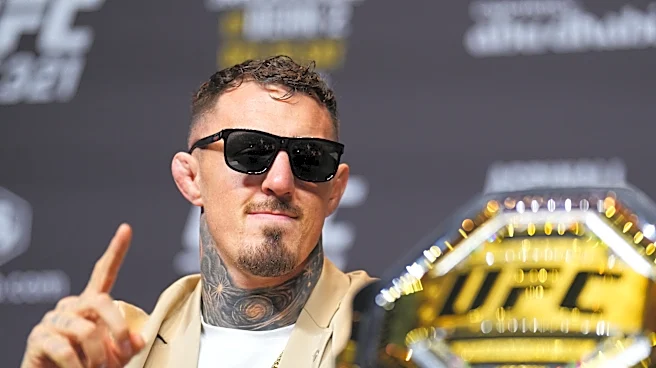
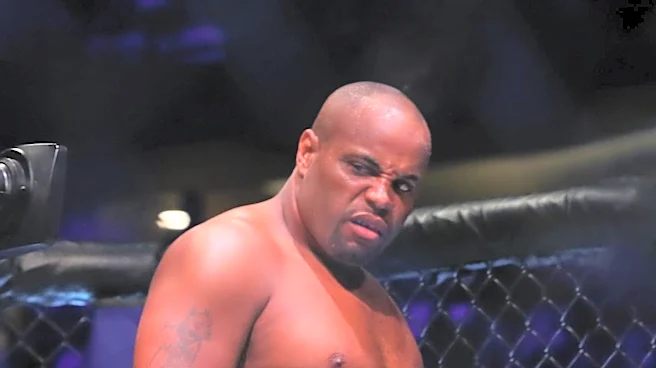
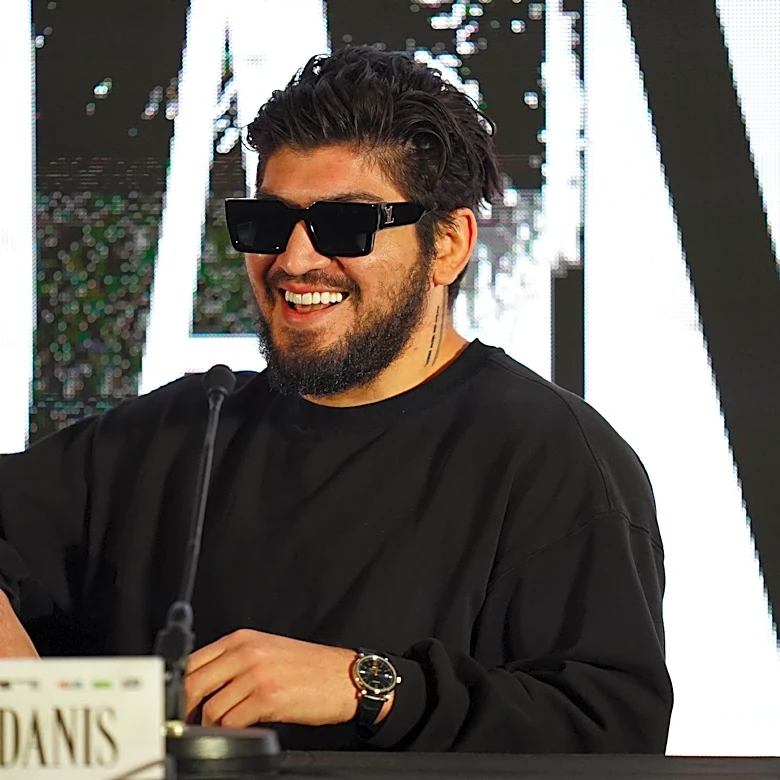
Daniel Cormier, a UFC Hall of Famer, has publicly advised current UFC heavyweight champion Tom Aspinall to stay with the Ultimate Fighting Championship (UFC) organization. This advice comes amidst widespread rumors that Aspinall might be considering a departure
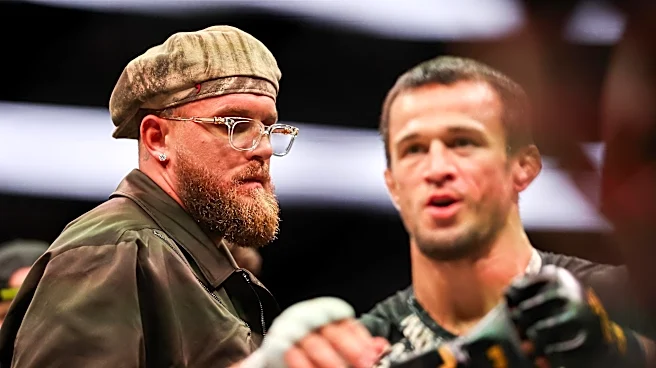
from the UFC. Aspinall himself recently used social media to deny these rumors, clarifying that he has no plans to leave. Cormier emphasized that the UFC is the premier platform for mixed martial artists to achieve significant financial success and solidify their legacy. He cited examples such as his teammate Usman Nurmagomedov, a PFL lightweight champion who has expressed interest in joining the UFC despite being highly paid elsewhere, and former UFC heavyweight champion Francis Ngannou, who, despite securing large paydays outside the UFC, could not maintain consistent high earnings in other promotions. Cormier believes that Aspinall, as the reigning heavyweight champion, is in the best position to maximize his career within the UFC.
Why It's Important?
This situation highlights the significant leverage and unique position the UFC holds within the mixed martial arts landscape. Cormier's advice underscores the financial and career-building advantages that the UFC offers its top-tier fighters, which are often unmatched by other MMA organizations. For athletes like Aspinall, remaining with the UFC is presented as crucial for achieving 'star level' status and securing maximum financial benefits. The discussion also touches upon the complexities of fighter contracts and negotiations, especially when external factors, such as Aspinall's association with boxing promoter Eddie Hearn, introduce new dynamics. Hearn and UFC CEO Dana White have a history of professional rivalry, which Cormier suggested could complicate Aspinall's negotiations. The outcome of Aspinall's career decisions could influence how other top fighters view their options within and outside the UFC, potentially setting precedents for future contract disputes and fighter mobility in the sport.
What's Next?
Tom Aspinall is expected to enter a UFC heavyweight title unification bout, likely against Ciryl Gane, later this year. For this to happen, Aspinall and the UFC will need to reach a mutual agreement on financial terms, as suggested by Cormier. The ongoing negotiations will be critical, especially given the perceived tensions between Aspinall's brand advisor, Eddie Hearn, and UFC leadership. The resolution of these discussions will determine Aspinall's immediate future in the octagon and could influence the broader relationship between top fighters, their representatives, and the UFC. Should Aspinall secure a favorable agreement and continue his career within the UFC, it would reinforce the organization's dominance in the sport. Conversely, any prolonged dispute or a potential departure, though denied by Aspinall, could spark further debate about fighter compensation and contractual freedoms in MMA.
Beyond the Headlines
The underlying tension in this scenario extends beyond individual fighter contracts to the broader power dynamics within professional combat sports. The UFC's near-monopoly in MMA grants it significant control over fighter careers and earning potential, a point frequently debated within the sport. Cormier's comments implicitly acknowledge this power imbalance, suggesting that even the highest-paid fighters in other organizations still aspire to the UFC for ultimate recognition and financial reward. The involvement of boxing promoters like Eddie Hearn, who has a contentious relationship with UFC leadership, further complicates these dynamics, blurring the lines between MMA and boxing promotion and potentially creating new avenues or obstacles for fighter career management. This situation reflects a continuous struggle for athletes to maximize their value in a highly competitive and corporatized sports environment, highlighting the ongoing debate about fighter rights, compensation, and the influence of promotional entities.