





What's Happening?
The United States offers a wide array of all-inclusive resorts, providing diverse experiences that cater to various traveler preferences without requiring international travel. These options range from adults-only tropical escapes to luxury wilderness
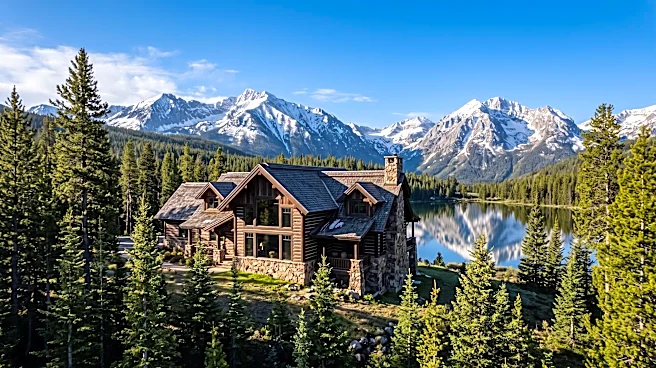
retreats and family-friendly ranches. Notable examples include Bungalows Key Largo in Florida, an adults-only resort offering standalone retreats with private verandas and tropical landscaping. For those seeking a wilderness experience, Brooks Lake Lodge in Wyoming, situated at 9,200 feet in Shoshone National Forest, provides an intimate luxury retreat with chef-prepared meals and guided seasonal adventures. Miraval Arizona in Tucson focuses on wellness with its Sonoran Desert setting and extensive programming. Other options include The Lodge on Little St. Simons Island in Georgia, known for wildlife and coastal seclusion, and Quisisana Resort in Maine, offering a nostalgic lake vacation with live entertainment. Family-oriented choices include C Lazy U Ranch in Colorado and The Pines at Woodloch in Pennsylvania, both recognized for their comprehensive activities and amenities for all ages.
Why It's Important?
The availability of diverse all-inclusive resorts within the U.S. is significant for the domestic tourism market. It provides American travelers with convenient options for comprehensive vacation experiences, reducing the need for international travel and supporting local economies. This trend caters to a growing demand for hassle-free vacations where most expenses are covered upfront, allowing guests to relax and enjoy their stay without constant financial considerations. The variety of resorts—from wellness-focused to adventure-oriented—also reflects the evolving preferences of travelers, who increasingly seek personalized and specialized experiences. By offering high-quality, all-inclusive options, the U.S. hospitality industry can retain domestic tourism dollars, create jobs, and enhance the overall appeal of various regions as vacation destinations. This also provides a competitive edge against international all-inclusive destinations, particularly for those who prefer to travel domestically.
What's Next?
The U.S. all-inclusive resort market is likely to continue expanding and diversifying, with more properties adopting this model to attract a broader range of guests. Future trends may include an increased focus on niche markets, such as eco-tourism, health and wellness, or adventure travel, integrated within the all-inclusive framework. Resorts may also enhance their offerings with more personalized services, unique local experiences, and advanced technological amenities to cater to discerning travelers. The industry will likely continue to adapt to consumer demands for sustainability and authentic experiences, leading to the development of more environmentally conscious and culturally immersive all-inclusive options. This ongoing evolution will further solidify the U.S. as a strong contender in the global all-inclusive travel market, providing robust domestic alternatives for various vacation styles.
Beyond the Headlines
Beyond the immediate convenience and economic benefits, the rise of U.S. all-inclusive resorts can have broader societal and cultural implications. These resorts often serve as self-contained communities, fostering a sense of escape and relaxation that can contribute to mental well-being and stress reduction for guests. The emphasis on specific themes, such as wellness at Miraval Arizona or wilderness adventure at Brooks Lake Lodge, can also promote particular lifestyles and interests, encouraging guests to engage in activities they might not otherwise pursue. Furthermore, the development of such resorts in diverse geographical locations across the U.S. can highlight the natural beauty and unique cultural aspects of different regions, potentially boosting regional pride and conservation efforts. The all-inclusive model, by simplifying travel logistics, may also make high-quality vacation experiences more accessible to a wider range of Americans, fostering a more inclusive approach to leisure and tourism.