


What's Happening?
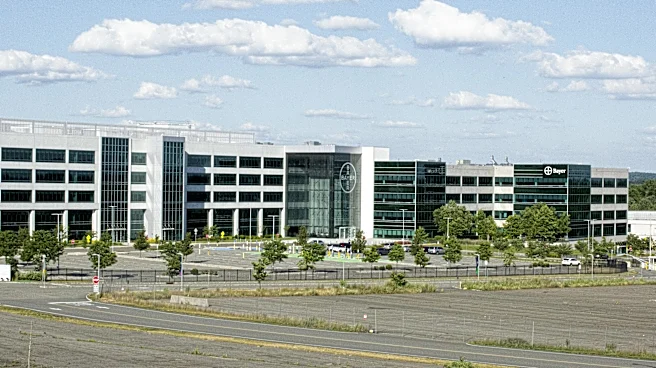
A U.S. judge in Missouri has approved Bayer's $7.25 billion settlement to resolve lawsuits alleging its Roundup weedkiller causes cancer. The agreement, deemed 'fair, reasonable, and adequate' by Judge Timothy Boyer, aims to conclude years of legal disputes
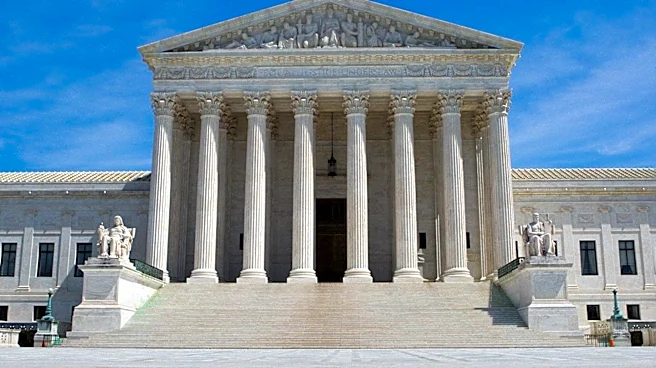
for the German chemical giant. This settlement covers tens of thousands of individuals who claim to have developed non-Hodgkin lymphoma after using Roundup, including those who may be diagnosed in the future. Bayer, which acquired Monsanto in 2018 along with its legal challenges, will contribute up to $7.25 billion into a special fund over the next 21 years. Individual payouts are projected to range from $10,000 to $165,000, depending on factors such as age, illness severity, and exposure duration. This decision follows a previous $10.9 billion settlement in 2020 and comes after a U.S. Supreme Court ruling that made it more difficult to sue Bayer under state laws for not including cancer warnings on Roundup packaging.
Why It's Important?
This settlement is a significant development for Bayer, offering a path to mitigate the financial and reputational risks associated with ongoing and future Roundup litigation. The company has already allocated $16 billion for Roundup-related legal costs, and its shares have seen a 46% decline since the Monsanto acquisition. For plaintiffs, the approval provides guaranteed compensation, potentially ending years of waiting for justice, although some lawyers have criticized the individual payment amounts as too low. The ruling also highlights the complex interplay between federal and state regulations concerning product labeling and liability, particularly after the U.S. Supreme Court's decision favoring Bayer on warning labels. The ongoing debate among scientists and regulators regarding glyphosate's carcinogenicity underscores the broader public health implications and the challenges in establishing definitive scientific consensus on chemical safety.
What's Next?
While the settlement marks a significant step, the ruling could still face appeals. Approximately 200 cases remain in federal courts outside the scope of this new settlement, indicating that some legal battles for Bayer will continue. The company has already removed glyphosate from newer versions of Roundup sold to private consumers in the United States, a move that could influence future product liability claims. The long-term impact on Bayer's financial health and market position will depend on the successful implementation of this settlement and its ability to navigate remaining legal challenges. The scientific community's ongoing research and regulatory bodies' future assessments of glyphosate will also continue to shape public perception and potential future litigation.
Beyond the Headlines
The Roundup litigation saga extends beyond financial settlements, touching upon critical issues of corporate responsibility, scientific integrity, and public trust. The controversy surrounding glyphosate, with conflicting views from organizations like the World Health Organization and the U.S. Environmental Protection Agency, highlights the difficulties in establishing clear scientific consensus, especially when corporate interests are involved. The withdrawal of a major scientific study that had supported Roundup's safety due to undisclosed involvement by Monsanto employees raises ethical questions about the influence of chemical companies on scientific research. This case could set precedents for how future product liability claims are handled, particularly for products with disputed health impacts, and may encourage greater scrutiny of scientific research funding and transparency in the chemical industry.