






What's Happening?
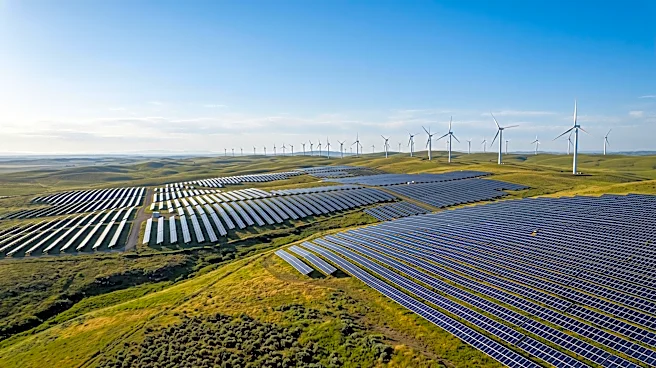
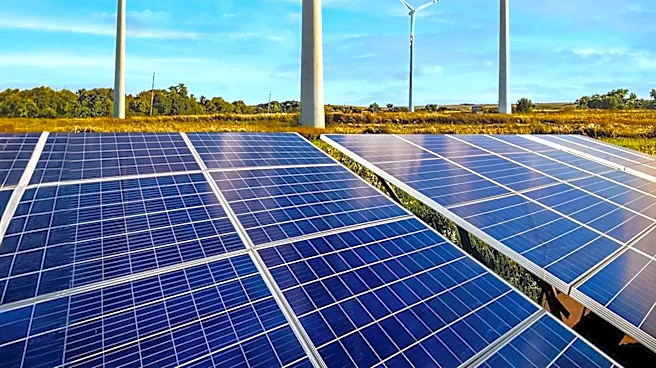
Commonwealth Edison (ComEd) is pioneering a new approach to integrating Distributed Energy Resources (DERs) by implementing flexible interconnection models. This strategy aims to accelerate the connection of new energy resources, reduce project barriers,
and maintain customer affordability by maximizing existing infrastructure rather than relying solely on costly, multi-year upgrades. Traditionally, utilities planned infrastructure for peak demand, assuming worst-case scenarios, which often led to developers bearing the full financial burden and delays of physical grid upgrades. ComEd's new model allows developers to connect under terms that include occasional, targeted curtailment during peak generation. This approach defers heavy capital expenditures for the utility, directly benefiting rate-paying customers. Scott Wethy, senior manager of DER engineering and planning at ComEd, highlighted that this shift leverages granular data to offer terms that allow developers to utilize existing grid capacity immediately, agreeing to minor curtailment during peak conditions. ComEd analyzed three years of historical grid data to model precise curtailment expectations, providing developers and financing institutions with the quantitative certainty needed for project funding.
Why It's Important?
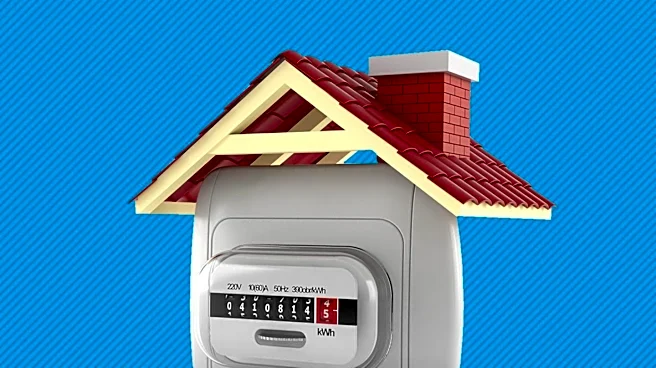
This initiative by ComEd is significant for the U.S. energy sector as it provides a scalable blueprint for utilities nationwide to integrate DERs more efficiently and affordably. By moving away from traditional, conservative grid planning, ComEd is demonstrating how flexible interconnections can unlock underutilized grid capacity, which is crucial for the expansion of renewable energy sources. This model can reduce the financial burden on both developers and consumers, making renewable energy projects more viable and contributing to lower electricity costs. The ability to fast-track DER connections supports the broader national goal of transitioning to a cleaner energy grid and enhancing grid resilience. Furthermore, by providing quantitative certainty on curtailment, ComEd addresses a key concern for developers and investors, fostering greater confidence in DER projects and stimulating investment in the renewable energy sector.
What's Next?
ComEd's successful implementation of flexible interconnection models and its independent Distributed Energy Resource Management System (DERMS) is expected to serve as a case study for other utilities facing similar challenges. The company's experience suggests that modular, targeted platforms can effectively address urgent grid bottlenecks without waiting for extensive, multi-year enterprise IT overhauls. Future developments will likely involve further automation of grid management, allowing control room staff to focus on exceptions rather than routine operations. The integration of DERMS with Advanced Distribution Management Systems (ADMS) will also be critical to ensure seamless operation during grid reconfigurations. The challenge of aligning overlapping programs, such as Virtual Power Plant (VPP) initiatives, with real-time operational controls will require continued collaboration between utilities, technology providers, and regulators to ensure that market incentives and operational controls work in tandem. This approach could lead to a more dynamic and responsive national grid infrastructure.
Beyond the Headlines
The shift towards flexible interconnection models represents a fundamental change in how utilities perceive and manage grid capacity, moving from a static constraint to a dynamic resource. This paradigm shift has profound implications for energy policy and regulatory frameworks, potentially necessitating updates to accommodate more agile and data-driven grid management strategies. Ethically, it underscores the utility's responsibility to balance grid reliability with customer affordability and environmental sustainability. Culturally, it signifies a move towards greater collaboration between utilities and renewable energy developers, fostering an ecosystem where innovation and efficiency are prioritized. The experience also highlights the importance of overcoming risk aversion within established industries, demonstrating that proactive adoption of new technologies and methodologies can lead to significant operational and economic benefits. This approach could accelerate the decentralization of energy production, empowering local communities and businesses to play a more active role in the energy landscape.