





What's Happening?
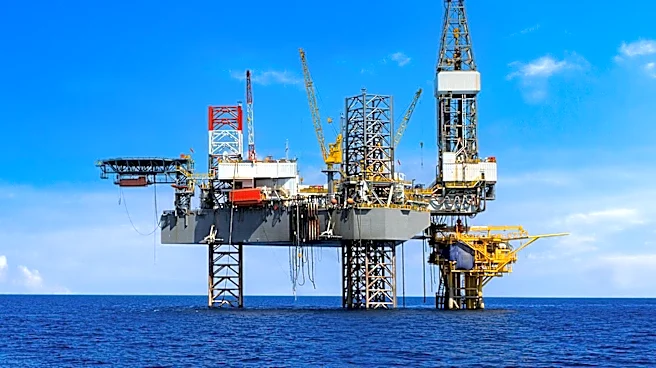
Crude oil prices, specifically West Texas Intermediate (WTI), have stalled near $90 per barrel as traders express caution ahead of the weekend due to potential geopolitical risks in the Middle East. The market has experienced volatility, with prices previously
approaching the psychologically significant $100 mark. Traders are reportedly hesitant to hold positions over the weekend, anticipating possible developments that could impact oil supply and demand dynamics. This cautious approach reflects concerns over potential disruptions in the region, which could lead to significant price movements when markets reopen.
Why It's Important?
The fluctuation in crude oil prices has significant implications for the global economy, particularly for industries reliant on oil. A potential increase in prices due to geopolitical tensions could lead to higher costs for transportation and manufacturing, affecting consumer prices and inflation rates. Conversely, a decrease in prices might benefit consumers but could impact oil-producing countries' revenues. The situation underscores the interconnectedness of global markets and the influence of geopolitical events on economic stability. Stakeholders, including governments and businesses, must remain vigilant and adaptable to these market dynamics.
What's Next?
As the weekend approaches, market participants will closely monitor developments in the Middle East for any signs of escalation or resolution. The outcome could influence trading strategies and market sentiment when trading resumes. Analysts suggest that any significant news could lead to a gap in prices at the market open, prompting traders to adjust their positions accordingly. The situation highlights the importance of geopolitical analysis in financial markets and the need for strategic planning to mitigate risks associated with such uncertainties.