







What's Happening?
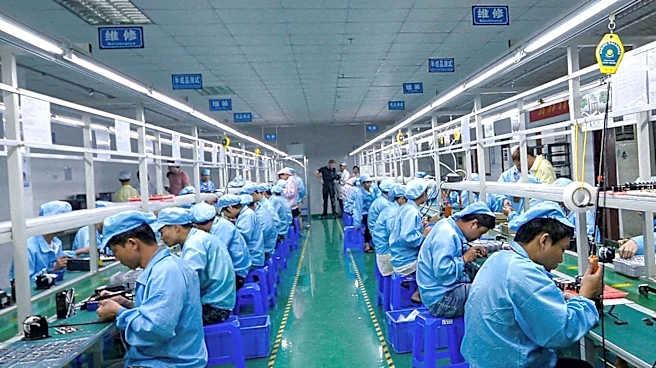
The U.S. semiconductor industry is confronting a significant shortage of skilled workers, with projections indicating up to 157,000 unfilled positions by 2030, according to global consulting firm McKinsey and the SEMI Foundation. This deficit poses a substantial
challenge to the rapid expansion of semiconductor manufacturing facilities across the country. Despite substantial investments in new fabs and research labs by major chipmakers like TSMC, Intel, Micron, Samsung, and SK Hynix, the pipeline of qualified engineers and technicians is insufficient. Only 3% of U.S. engineering graduates enter the semiconductor sector, and 73% of chip companies report difficulties in filling engineering roles. Companies are actively building new facilities, including Micron's Boise, Idaho, and New York 'megafab' projects, Samsung's Taylor, Texas, fab, and SK Hynix's HBM plant in West Lafayette, Indiana. These projects aim to significantly increase domestic chip production, but their success hinges on addressing the workforce gap.
Why It's Important?
This worker shortage is critical for the U.S. economy and national security, particularly as the nation strives to re-shore semiconductor manufacturing and reduce reliance on foreign supply chains. The push to build advanced chip facilities is driven by the increasing demand for semiconductors, especially with the boom in artificial intelligence. A lack of skilled personnel could hinder the operational capacity of these new fabs, delaying production and undermining the goal of establishing a robust domestic semiconductor ecosystem. The inability to staff these facilities could lead to underutilized infrastructure, increased production costs, and a continued vulnerability to global supply chain disruptions. Furthermore, it could impede technological innovation and competitiveness in critical sectors like AI, defense, and advanced computing, where cutting-edge chips are essential. The issue also highlights a broader challenge in STEM education and workforce development within the U.S.
What's Next?
To mitigate the impending crisis, universities like Purdue University and Arizona State University are investing in semiconductor-focused degree programs, and companies such as Samsung and Intel are funding internships and scholarships. However, the industry may need to offer more competitive compensation packages, potentially matching the substantial bonuses seen in East Asian semiconductor markets, to attract and retain talent. The U.S. government, in conjunction with industry leaders, will likely need to implement more aggressive strategies for workforce development, including vocational training, apprenticeships, and incentives for engineering graduates to enter the semiconductor field. Continued collaboration between academia and industry will be crucial to align educational programs with the specific needs of advanced manufacturing. Without a concerted effort, the ambitious goals for U.S. chip production could be significantly hampered.
Beyond the Headlines
The semiconductor worker shortage extends beyond immediate economic concerns, touching upon long-term strategic implications for U.S. technological leadership. The current situation underscores a potential systemic issue in the U.S. education system's ability to produce a specialized workforce for advanced manufacturing. This could lead to a reliance on international talent, which, while beneficial in some aspects, might not fully address national security concerns related to critical technology. The ethical dimension involves ensuring equitable access to these high-paying jobs and preventing a widening skills gap. Culturally, it challenges the perception of manufacturing jobs, which are often overlooked by engineering graduates in favor of other tech sectors. Addressing this will require a shift in educational focus, public perception, and potentially, immigration policies to attract and retain top talent in this vital industry.