


What's Happening?
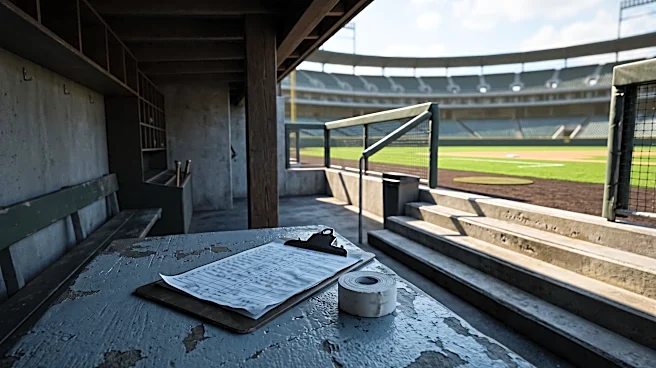
Ron Wotus, special assistant to baseball operations for the San Francisco Giants, was ejected by crew chief Alan Porter before Game 1 of a doubleheader against the Arizona Diamondbacks. The ejection occurred during a contentious lineup card exchange,
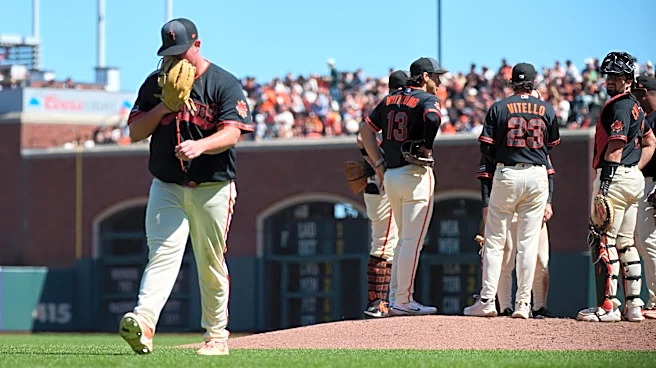
stemming from a discussion Wotus initiated regarding events from the previous night's game. Wotus stated he was discussing 'a few things about the game' with Porter, who eventually did not wish to continue the conversation, leading to the ejection. This incident marks the third ejection for the Giants in two days, following manager Tony Vitello and pitcher Logan Webb's ejections on Friday. Despite the ejection, Wotus will be permitted to return to the dugout for Game 2 of the doubleheader.
Why It's Important?
This incident highlights ongoing tensions between MLB teams and umpiring crews, which can significantly impact game dynamics and team morale. Ejections of key personnel, even before a game begins, can disrupt team focus and potentially influence player performance. For the Giants, having three ejections in two days, including their manager and a special assistant, suggests a heightened level of frustration with officiating. Such disputes can lead to fines or suspensions for team personnel, affecting their presence and leadership during critical games. It also draws attention to the subjective nature of umpire-manager interactions and the challenges of maintaining decorum in high-stakes professional sports.
What's Next?
Following the ejection, the immediate focus for the Giants will be on Game 2 of the doubleheader, where Ron Wotus is expected to return to the dugout. The MLB commissioner's office may review the incident, potentially leading to disciplinary actions or clarifications regarding umpire-team interactions. Manager Tony Vitello's comments about feeling disrespected and the short leash given to him by umpires suggest that this issue might continue to be a point of contention. Both teams and the league will likely seek to de-escalate tensions, but the incident could contribute to ongoing discussions about umpire accountability and the rules governing pre-game interactions.
Beyond the Headlines
The repeated ejections and the underlying friction between the Giants and the umpiring crew point to broader issues within professional baseball regarding communication and respect between officials and team staff. This situation can erode public trust in the fairness of the game if fans perceive a bias or an overly sensitive approach from officials. It also raises questions about the psychological impact of such confrontations on players and coaches, potentially affecting their performance and decision-making. The incident could spark further debate on the need for clearer guidelines for interactions, or even the implementation of technology to reduce human error and subjective calls, thereby minimizing the potential for such disputes in the future.