




What's Happening?
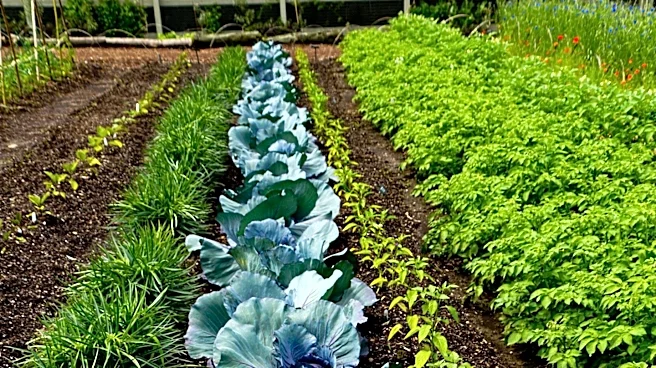
Perennial vegetable gardens are gaining popularity due to their ability to provide long-term harvests with minimal maintenance. Unlike annual vegetables that require replanting each season, perennial vegetables such as asparagus, rhubarb, onions, chives,
and kale continue to grow year after year. These plants develop strong root systems, making them more resilient to drought and changing weather conditions. To establish a successful perennial garden, it is crucial to select a location with at least six hours of sunlight, well-drained soil, and easy access for watering and harvesting. Preparing the soil with compost and ensuring proper plant spacing are essential steps in creating a productive garden. Regular care, including watering during dry periods and applying compost annually, helps maintain the garden's health.
Why It's Important?
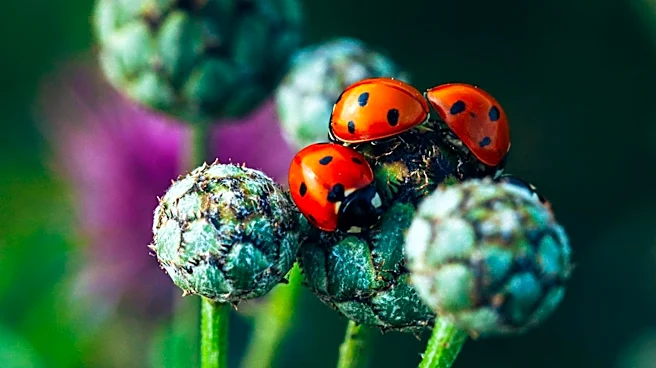
The shift towards perennial vegetable gardens reflects a growing interest in sustainable gardening practices. By reducing the need for annual replanting, gardeners can save time and resources, contributing to a more environmentally friendly approach. Perennial gardens also support biodiversity by providing habitats for pollinators and other beneficial organisms. As climate change continues to impact weather patterns, the resilience of perennial plants offers a reliable food source that can withstand environmental stressors. This approach aligns with broader efforts to promote food security and reduce the carbon footprint associated with traditional agriculture.