

What's Happening?
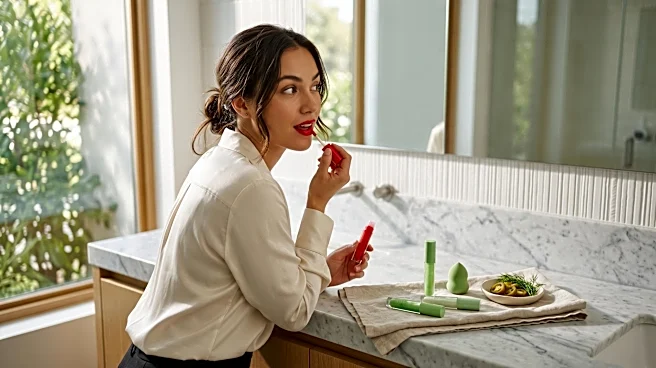
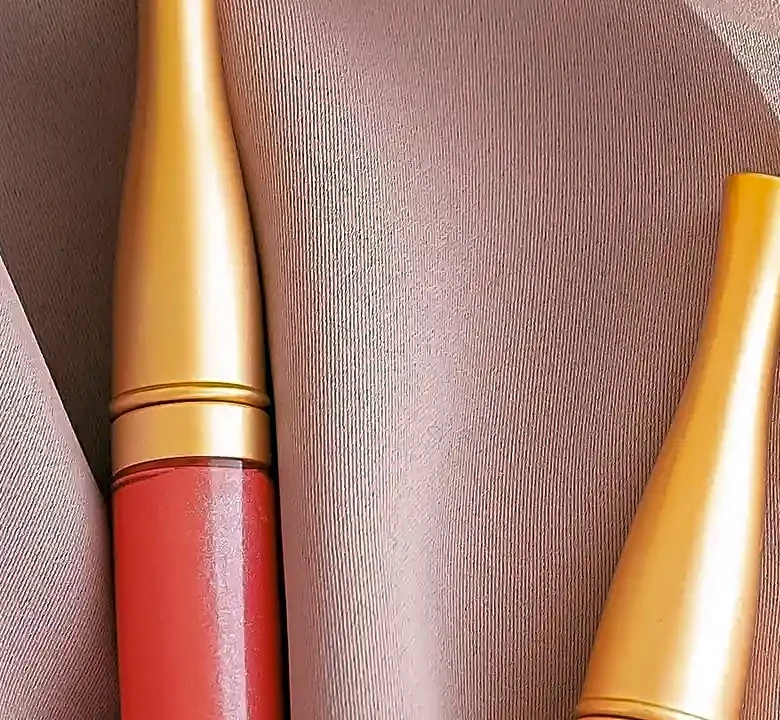
Y2K nostalgia is significantly influencing current beauty trends, leading to the comeback of frosted lips. This trend, popular in the late 1990s and early 2000s, is re-emerging with a modernized approach. Celebrity makeup artist Brandy Allen notes that
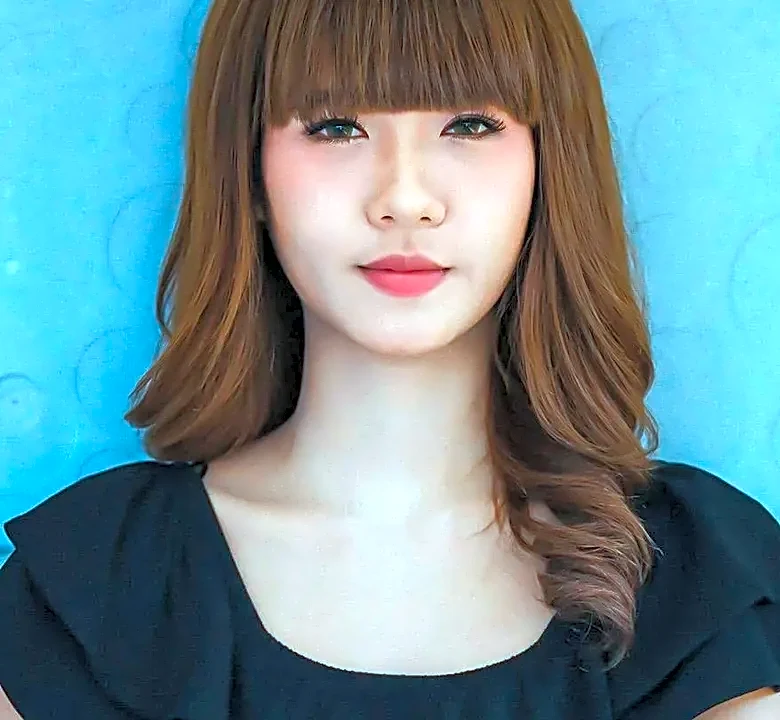
while the original look was often opaque and sometimes silver, the 2026 version is softer and more sophisticated, incorporating pearl, champagne, rose gold, bronze, and warm metallics that complement various complexions. The return of frosted lips is part of a broader Y2K revival that includes fashion items like capri pants and body glitter, indicating a widespread cultural embrace of early 2000s aesthetics. The updated technique for achieving frosted lips involves three layers: defining the lip shape with a liner one to two shades deeper than the natural lip color, adding dimension with a pearl or metallic pigment concentrated in the center of the lips, and finishing with a hydrating gloss for shine. This modern execution aims to create reflection without the chalky or dry appearance sometimes associated with the original trend, utilizing improved hydrating glosses, lip oils, balms, and finely milled pearl pigments.
Why It's Important?
The resurgence of Y2K beauty trends, particularly frosted lips, highlights the cyclical nature of fashion and beauty industries and the powerful influence of nostalgia on consumer behavior. This trend impacts beauty product manufacturers and retailers, who are adapting their offerings to meet renewed demand for metallic and pearlescent lip products. The shift towards a more refined and hydrating version of frosted lips also reflects advancements in cosmetic formulations, emphasizing comfort and wearability alongside aesthetic appeal. For consumers, this trend offers an opportunity to revisit a past style with a contemporary twist, allowing for personal expression and engagement with cultural nostalgia. The broader Y2K revival across fashion and beauty signifies a collective yearning for simpler times or a celebration of past aesthetics, influencing design, marketing, and product development strategies within the lifestyle and retail sectors. This trend also demonstrates how social media and celebrity endorsements can rapidly popularize and reintroduce past styles to a new generation, shaping current beauty standards and purchasing decisions.
What's Next?
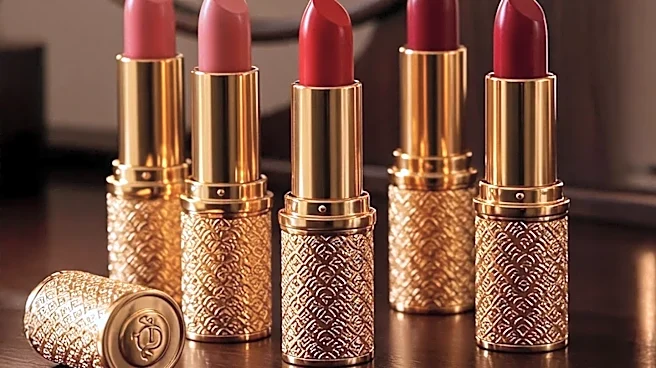
The continued momentum of Y2K nostalgia suggests that more beauty and fashion trends from the early 2000s may see a revival. Consumers can expect to see an increased availability of products designed to achieve the modernized frosted lip look, including a wider range of metallic lipsticks, pearlescent glosses, and complementary lip liners. Beauty brands will likely continue to innovate with formulations that offer both aesthetic appeal and comfort, focusing on hydrating and long-wearing options. Makeup artists and beauty influencers will play a crucial role in demonstrating how to adapt these nostalgic trends for contemporary wear, further driving their adoption. The success of the frosted lip comeback could also encourage the reintroduction of other Y2K-era makeup techniques, such as specific eyeshadow colors or application styles. Retailers may curate collections specifically catering to Y2K aesthetics, bundling products that help consumers achieve a complete nostalgic look. This trend is expected to evolve, with new interpretations and adaptations emerging as designers and consumers experiment with the aesthetic.
Beyond the Headlines
The return of frosted lips and other Y2K trends goes beyond mere fashion cycles; it reflects deeper cultural and psychological undercurrents. Nostalgia often surges during periods of uncertainty, offering a sense of comfort and familiarity by harkening back to perceived simpler times. This phenomenon can create a shared cultural experience, fostering community among those who remember the original trend and introducing it as a novel concept to younger generations. Ethically, the beauty industry faces the challenge of ensuring that these revived trends are inclusive and adaptable to diverse skin tones and preferences, moving beyond the potentially limited palettes of the past. The emphasis on hydrating and comfortable formulations also highlights a growing consumer demand for products that prioritize skin health and well-being alongside aesthetics. This trend also underscores the power of collective memory and how popular culture continuously reinterprets and recontextualizes historical styles, making them relevant for contemporary audiences and influencing broader societal aesthetics.