





What's Happening?
Taiwan is partnering with Eswatini to develop an E6 billion industrial park project, a significant investment aimed at boosting economic growth, innovation, and job creation in the African nation. This initiative was announced by King Mswati III at the Entrepreneur
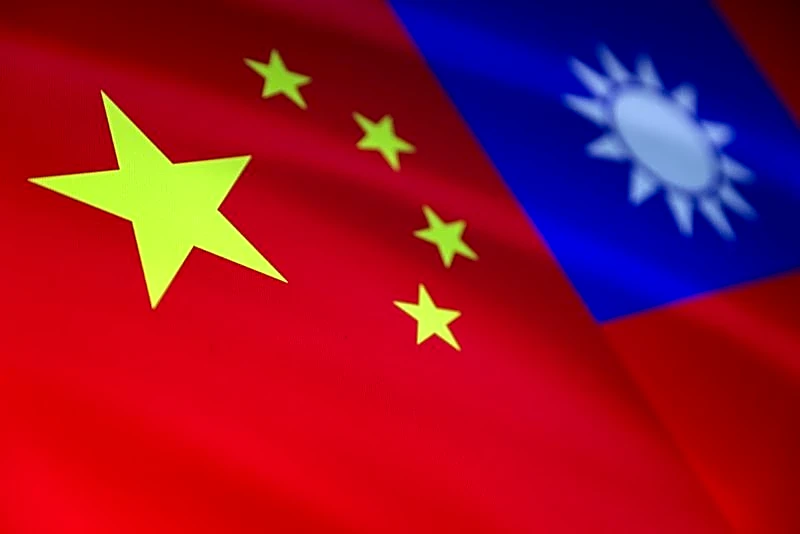
of the Year Awards, where he urged local businesses to invest in regional industrial parks to complement the larger project. The King emphasized the project's importance in addressing Eswatini's severe unemployment crisis. This collaboration builds on a long-standing relationship between Taiwan and Eswatini, which dates back to 1968. Eswatini remains Taiwan's only diplomatic partner on the African continent, a relationship maintained despite mainland China's efforts to isolate Taiwan diplomatically.
Why It's Important?
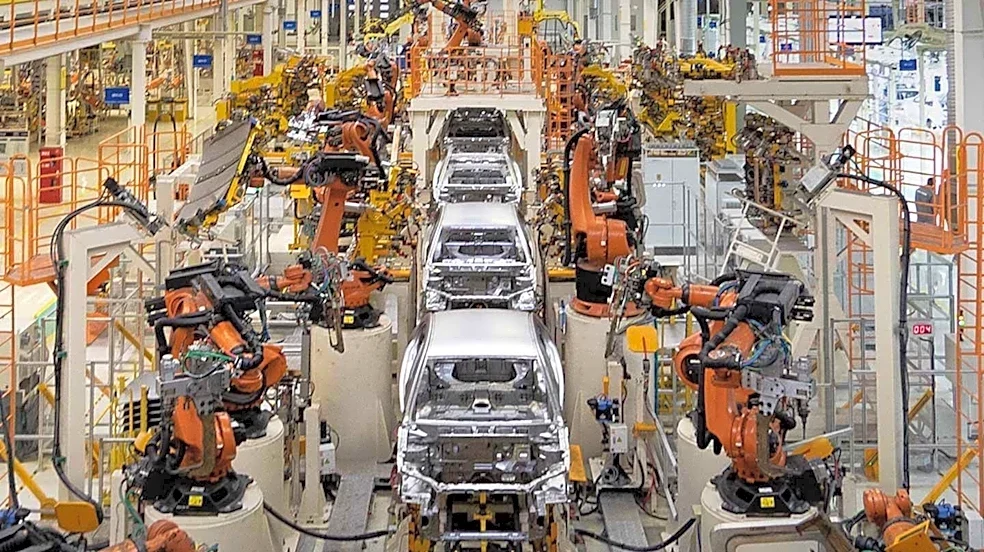
This E6 billion industrial park project is a critical economic development for Eswatini, offering a potential solution to its high unemployment rates and a pathway to industrial diversification. For Taiwan, this investment reinforces its diplomatic ties with one of its few remaining allies, demonstrating its commitment to fostering economic partnerships and maintaining its international presence amidst pressure from mainland China. The project also highlights Taiwan's technological expertise and its willingness to share it for mutual benefit, particularly in sectors like manufacturing and fuel security. The success of this venture could serve as a model for Taiwan's 'pragmatic diplomacy,' where economic influence and development aid are used to strengthen relationships with sovereign nations, especially those that resist Beijing's 'One China' principle.
What's Next?
The success of the E6 billion industrial park will require full commitment from various sectors, with the Eswatini government needing to set the tone and learn from Taiwan's work ethic, characterized by punctuality, discipline, and efficiency. Red tape must be cut to signal that Eswatini is open for business. Tertiary institutions in Eswatini are expected to adapt their curricula to teach the manufacturing, electronics, and digital skills required by incoming companies. Furthermore, government policies must intentionally integrate local small and medium-sized firms into the value chain to ensure that the economic growth benefits everyone and circulates within the domestic economy. The project's progress will be closely watched as a testament to the enduring diplomatic and economic relationship between Taiwan and Eswatini.
Beyond the Headlines
The collaboration between Taiwan and Eswatini transcends mere economic development; it is a geopolitical statement. Eswatini's continued recognition of Taiwan, despite potential economic exclusion from Beijing, underscores the political leverage that smaller nations can exert in the broader China-Taiwan diplomatic struggle. This project exemplifies Taiwan's strategy of 'pragmatic diplomacy,' focusing on tangible economic benefits and development assistance to secure and strengthen its international relationships. It also highlights the ethical considerations for nations choosing between economic opportunities offered by mainland China and diplomatic solidarity with Taiwan. The long-term success of this industrial park could influence other nations' perceptions of Taiwan's capacity as a reliable development partner, potentially offering a counter-narrative to Beijing's growing global influence.